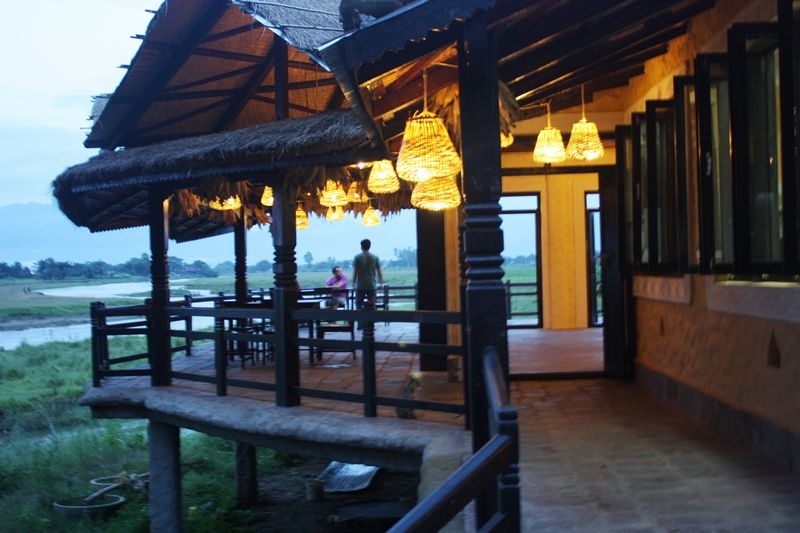
And the whole reason we went….


Trains, rickshaws, temples and Mithila art were all experiences grabbed at the beginning or end of each day, but the real reason I was in Janakpur was work-related. The Embassy does a roadshow each year, visiting a different part of the country each time to engage with schools, share books with the kids, and share American culture and movies with them. Its a busy couple of weeks for everyone involved. I was just there for a few days at the end of the trip.

The best part of the experience was meeting the kids, and answering their many questions about America and American life. Here are a few scenes from the week:

DSC01459

Early on…before the crowds descend

DSC01464

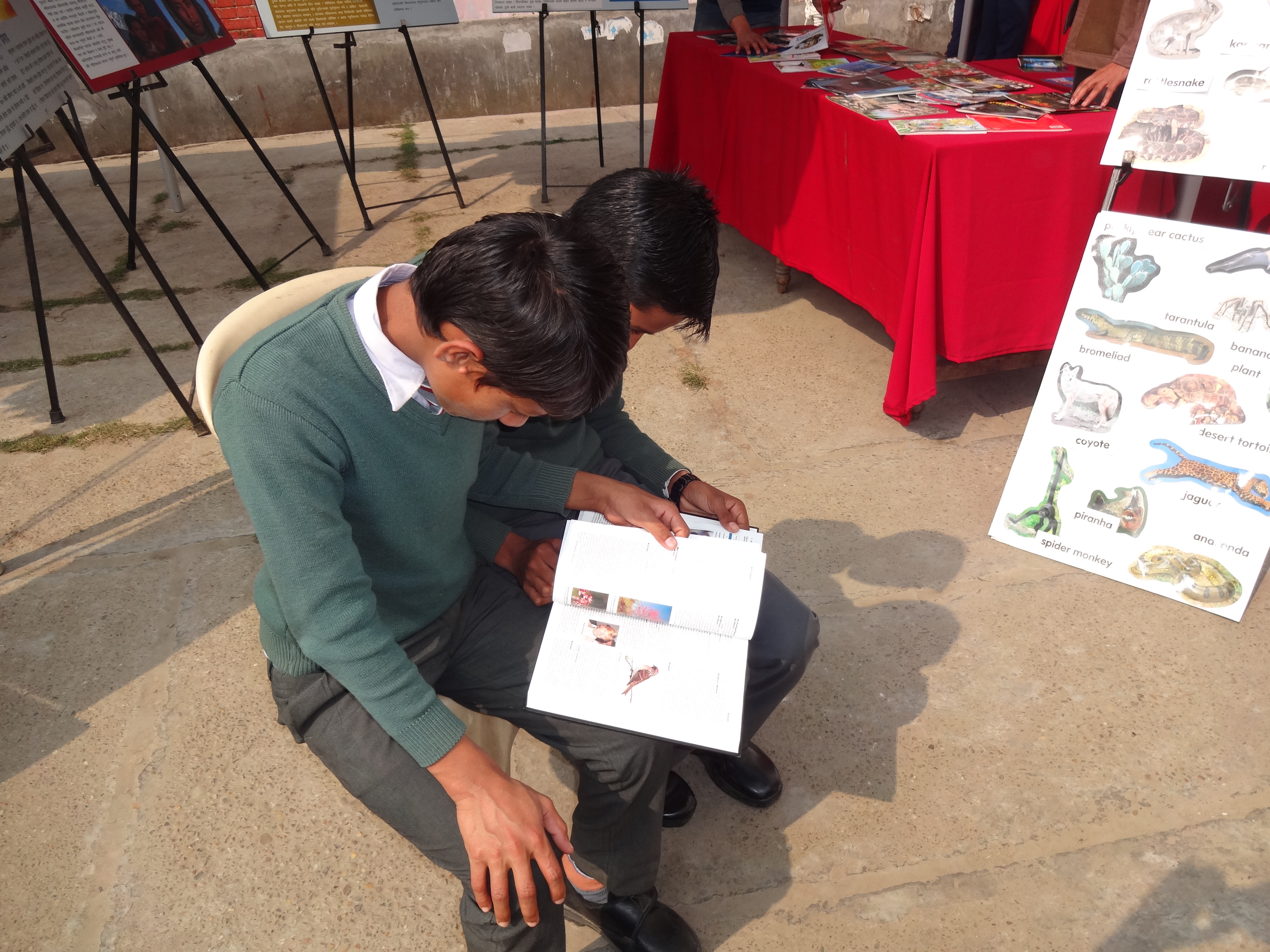
Books for the kids to view. They are later donated to schools, but they’re available for kids to look over as many of them don’t have access to libraries or there are very limited books in the schools.

DSC01468

Two boys engrossed…sharing a book and a chair

DSC01470

Mass Read-a-thon

DSC01466

Sharing eco-friendly cooking techniques with the kids.  Many eco-friendly cookers were old-school techniques – like cooking with dung.  Some of these were still alive and well in Janakpur already….

DSC01471

The kids loved the book bus with its mobile library, solar panels on the room and mobile theater

DSC01510

One of the best scenes for me was seeing kids engrossed in books. It made a pleasant change from all eyes on an ipad.

12395663504_65bd98b7e9

I talked myself hoarse answering all the questions. I’d answer three, then look up and I’d have 20 kids circling around me.

12440626765_d5f874a380

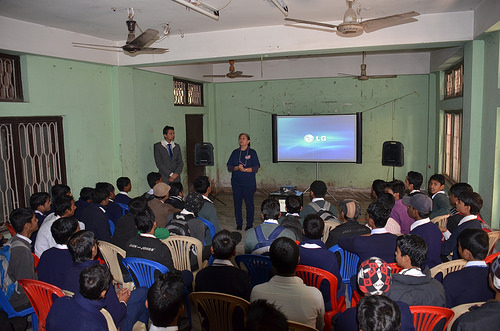
Movie time

Meeting Janakpur’s Mithila Artists


I loved the Mithila artwork I saw in Kathmandu, long before I knew anything about it or where it came from. Mithila paintings and painted objects, such as mirrors, trays and cups, have a distinctive primitive style that is colorful and appealing. You can find their handiwork in most “Fair Trade” shops in Kathmandu for a very reasonable price, and before I had the chance to go down and see the artists at work, I had collected quite a few pieces that I loved, as well as sending them as gifts for friends and family.

So when I learnt we were going to Janakpur, I hoped that I would get a chance to see some of the art being produced.  I’m not sure what I expected but it wasn’t to see the art incorporated into everyday life such as government buildings and schools.  Even the otherwise, very shabby airport building had a wonderful collection of Mithila paintings.  It was surprising and delightful to me that the tradition still held strong without tourism spurring it on.

So when I had the chance to visit the Janakpur Women’s Development Center, I was very excited to see what their operation and watch the artists at work.

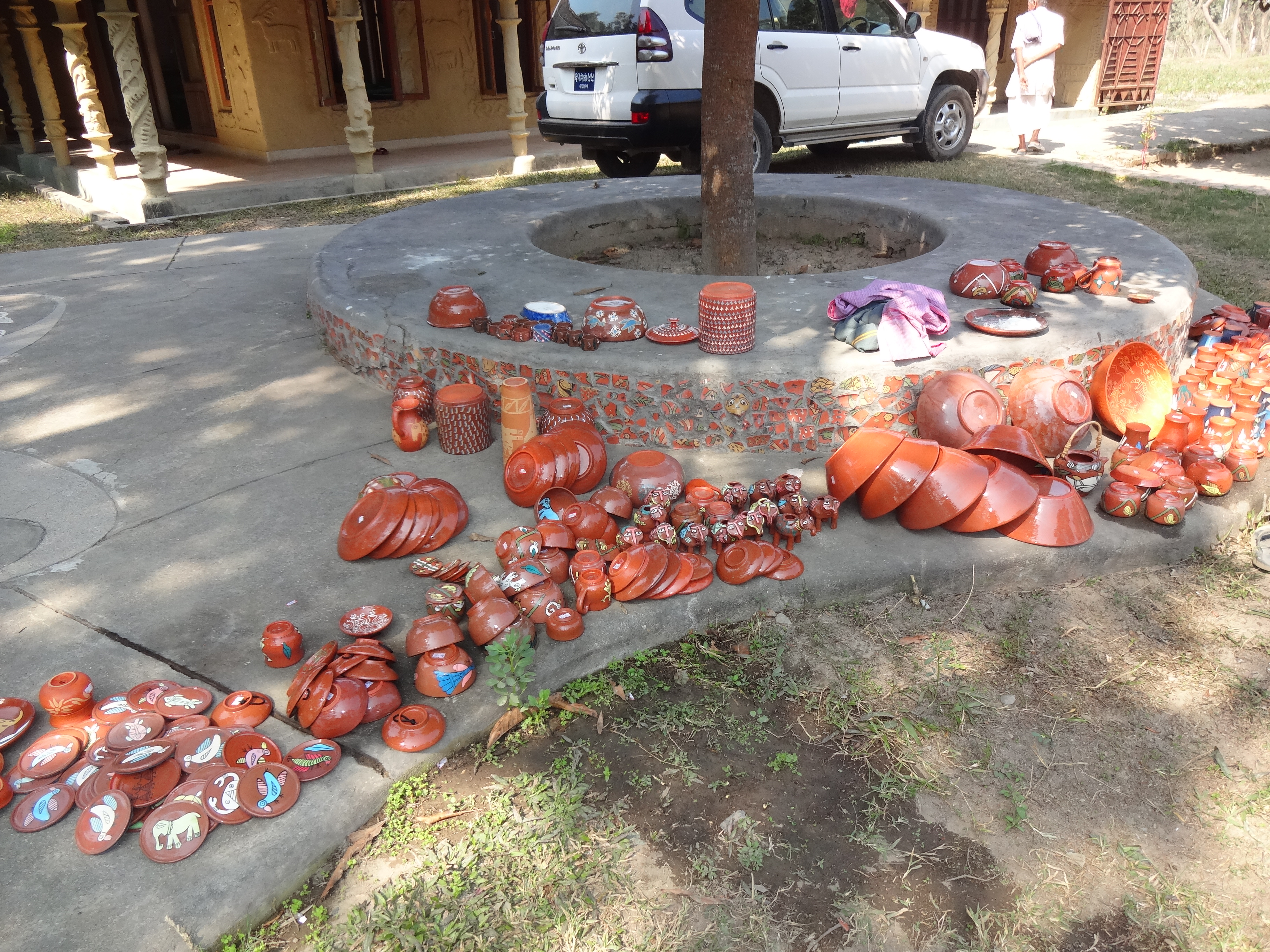
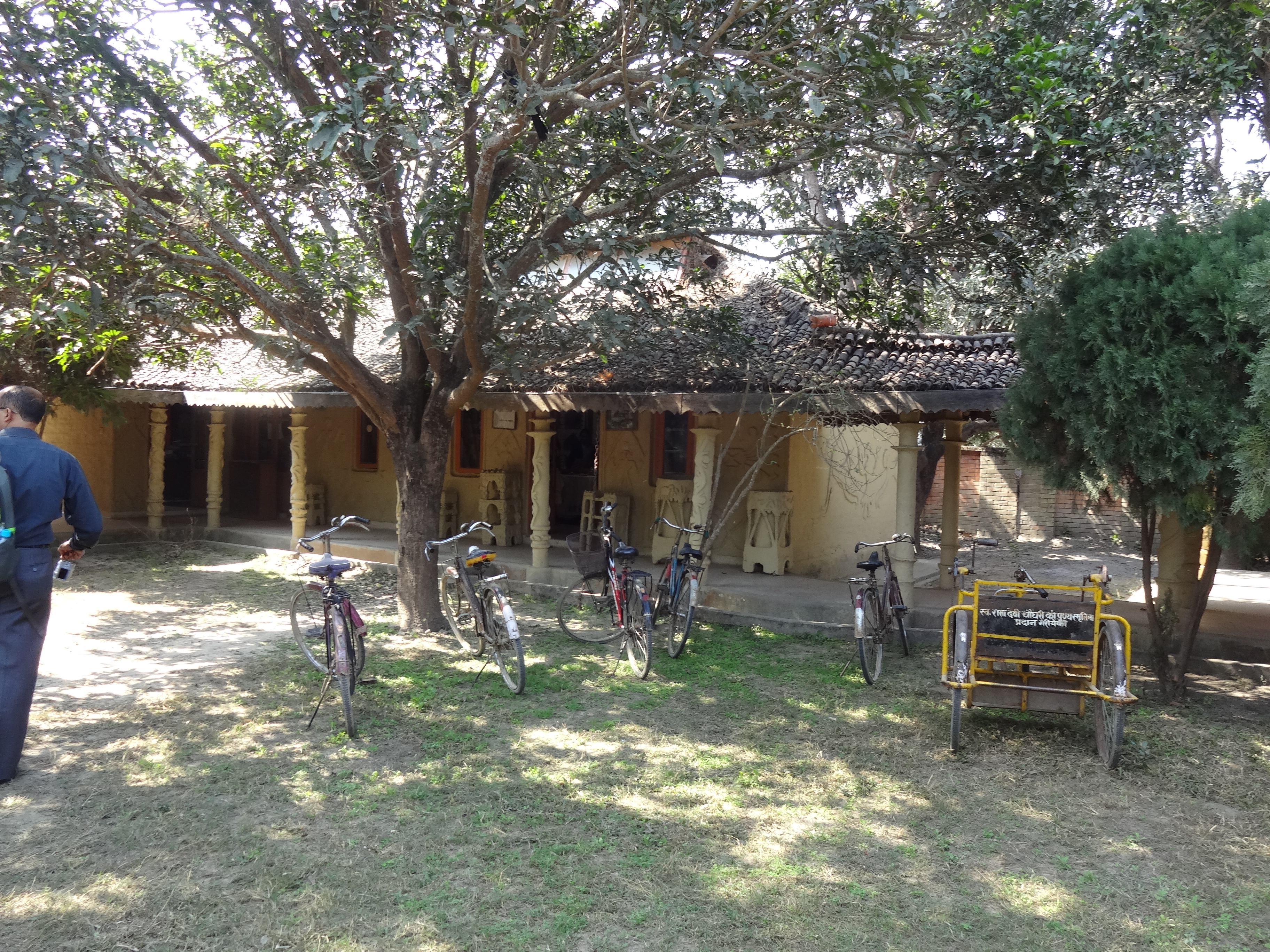
The Center is located in an attractive wall compound about 15 minutes outside of Janakpur town.  Screenprinting, art and pottery studios surround the internal courtyard and the ladies showed me around all the activities going on.  The walls and pillars are decorated in a traditional local style that reminded me of South Western native american Adobe.  It was a very peaceful place.

DSC01487

DSC01490

DSC01492

DSC01495

DSC01499

DSC01500

DSC01503

20140207_163531

Mithili art at the nearby Janaki temple

The Center provides a great opportunity to keep the Mithili art tradition alive, as well as providing an independent income to rural women in the area.  Its open to the public by prior appointment for tours and they have a small sales room were you can buy their works. Totally worth a visit if you are in the area.

Janakapur Train Station: No Blast from the Past


L1000158

I wish I had taken these first two images. Not only because they are great photos, but mainly because it would mean that Nepal’s only train station — here in Janakpur — was still open. The photographer is unknown to me, but kudos to him/her and I hope s/he doesn’t mind me using the photos. They were shared with me by the hotel manager at the place where we stayed. He wanted to show me what the station looked like when it was last open, which was just over a year ago.

The reason for its closure was veiled in the usual confusion of partial information: management problems, money problems, and plans to connect the line with the train line on the other side of the Indian border.  Which…by the way… it may also be already connected to.  No one was very clear on that either.  Chances are it stopped on one side of the border, but it didn’t connect over completely.  But I think a unified Nepalese/Indian connection is now on the cards.

It was the only train line in Nepal, and perhaps the only still functioning, original steam train in the world.  The word is that it will reopen soon, but not as a steam train unfortunately.  That blast from the past won’t be heard again at Janakpur station.

I’m told the old steam train traveled so slowly that you could jump off and walk beside it.  Which, of course, helps explain the bravado of the roof and door riders.  Not so scary when its not traveling at sixty miles an hour.

Today the images are quite different.  The train sits permanently in front of the station, like it might actually be leaving some time soon.  And outside the station, there’s still a bunch of rickshaw drivers waiting to pick up a ride like no-one actually told them there trains had stopped.  (I guess old habits die hard.)

DSC01485

Rickshaw drivers waiting outside the station. I guess its still their turf…train or no train.

DSC01477 - Copy

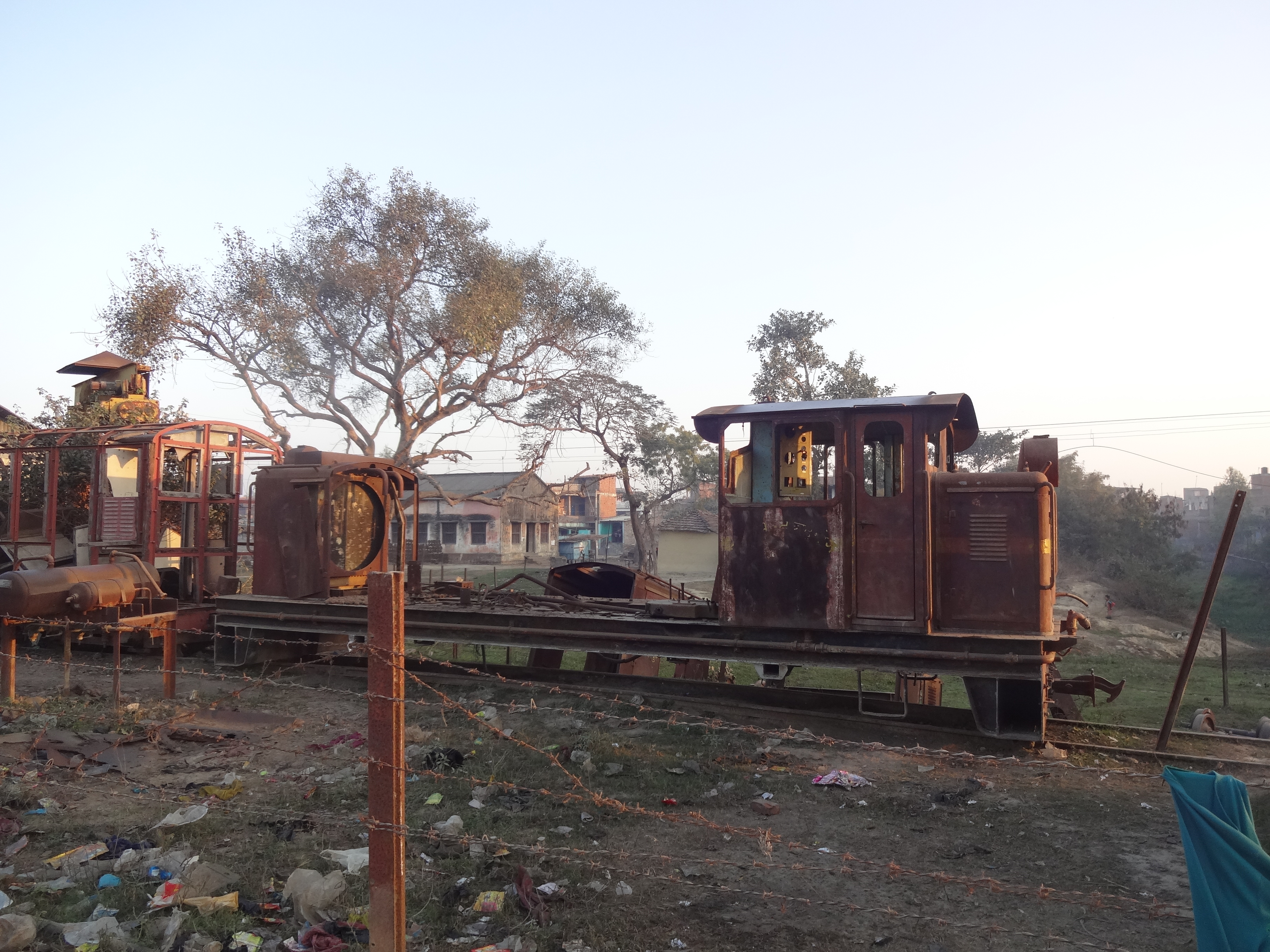
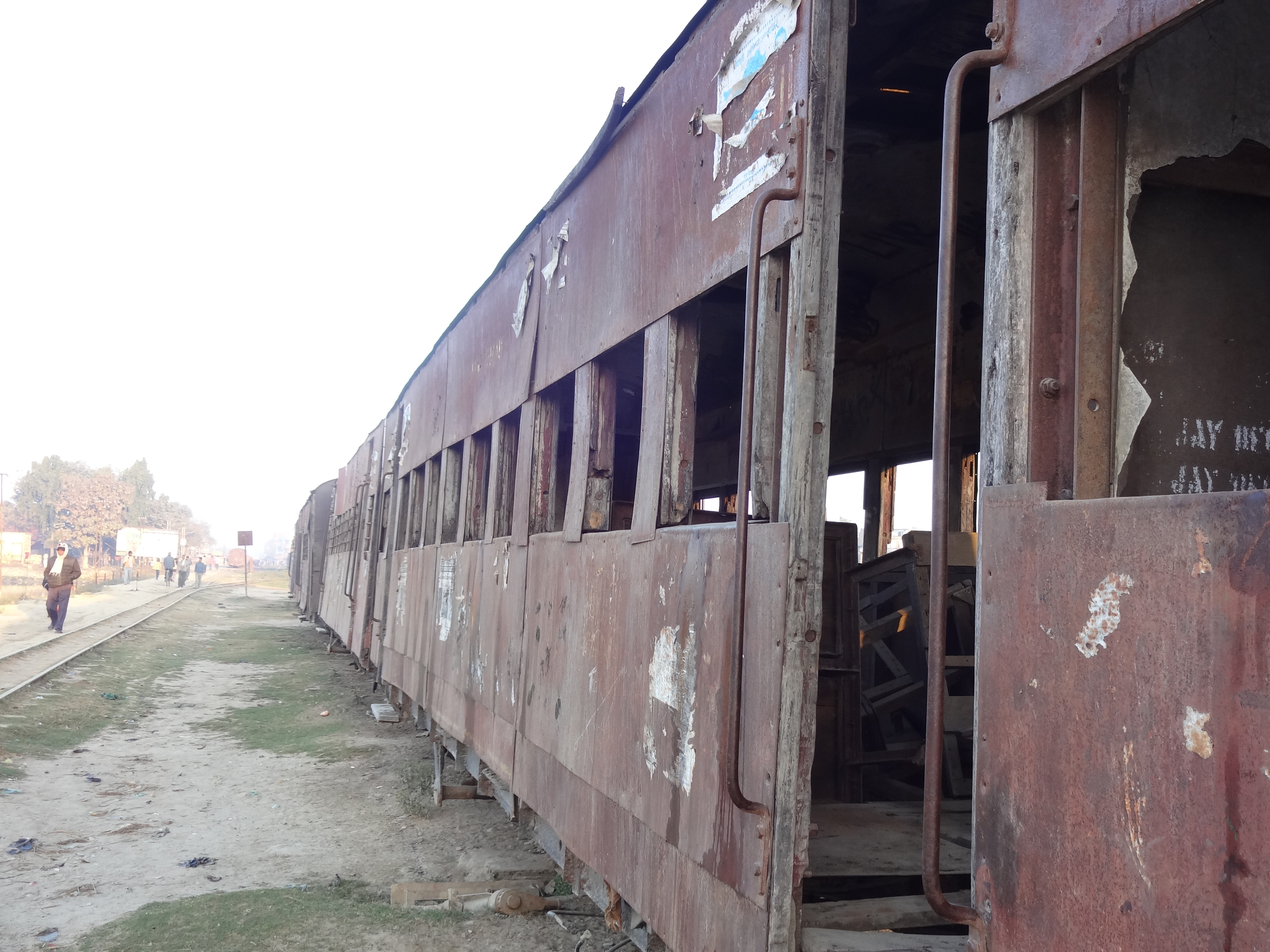
The lonely train sitting at the station in 2014

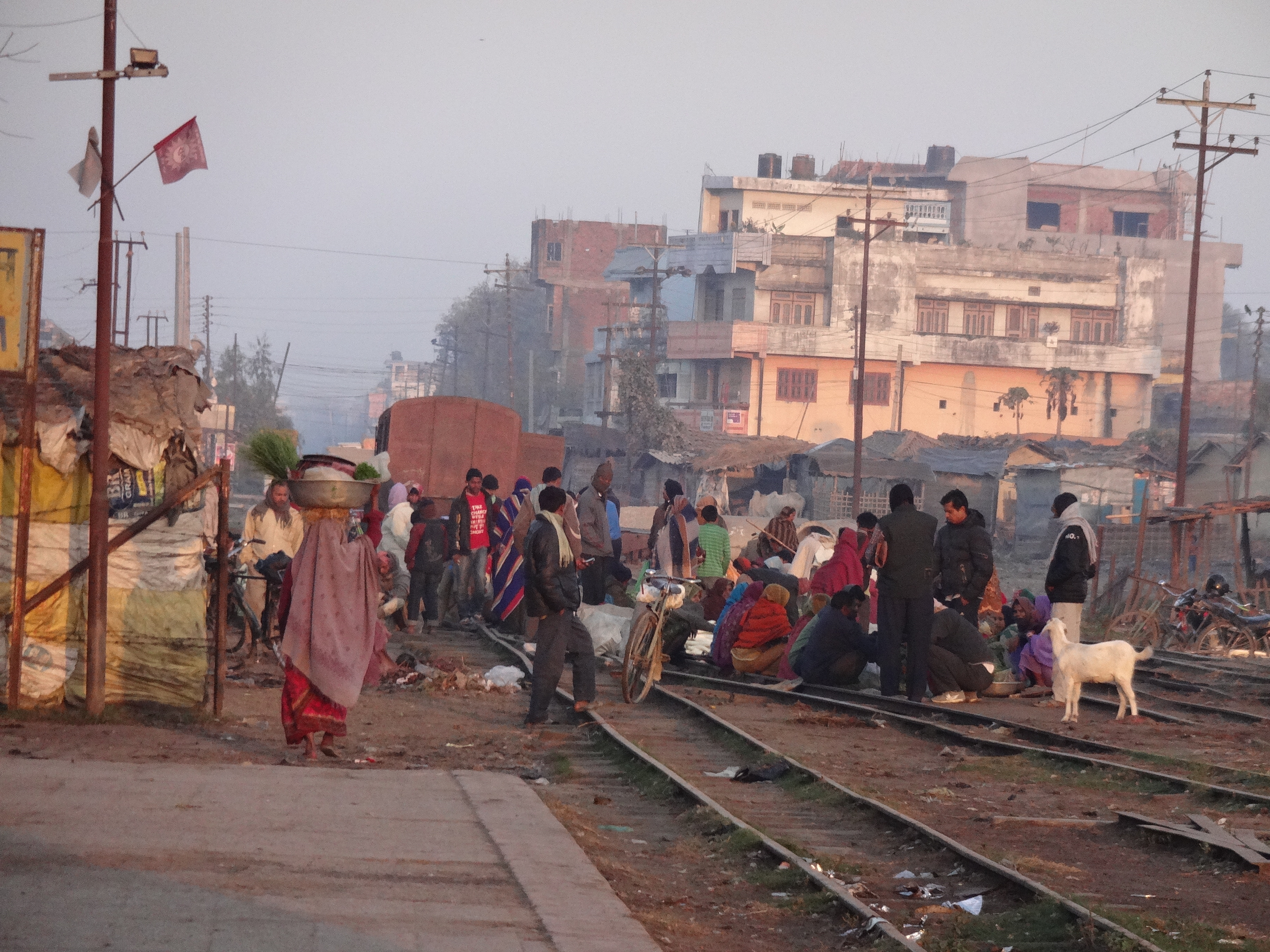
But the station’s closing doesn’t seem to have had too much impact on its visitors. The station and track were teeming with life. We walked a ways along the track with many others who were using it as a road to work or school. There were bikes, vendors, customers and garbage a plenty. Life was going on as normal, just without the functioning train.

DSC01478 - Copy

DSC01479 - Copy

DSC01480 - Copy

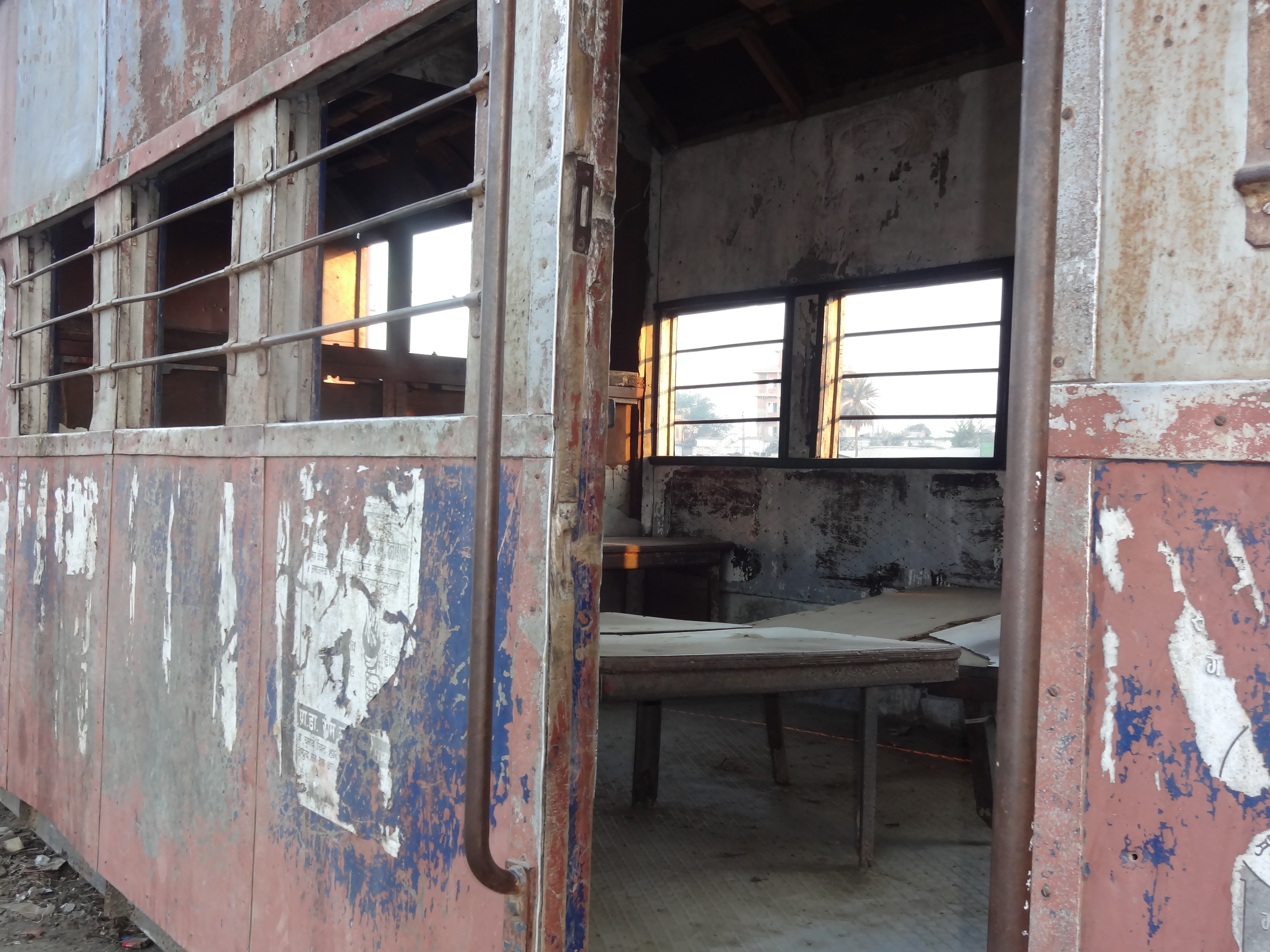
Peeking inside the dilapidated carriages.

DSC01481 - Copy

DSC01482 - Copy

The tree is behind the train. The bush is growing inside it.

DSC01483 - Copy

“Passengers” walking along the tracks

DSC01484 - Copy

The only billboard I saw, advising passengers that they were entering a district with malaria.

Janakpur Temple: Janaki Mandir


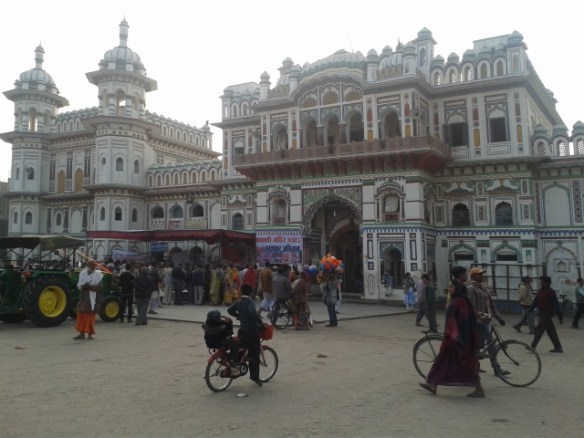
Its called Janaki Mandir, the very large – surprisingly large – and important temple in Janakpur. I had seen pictures before I came and had expected a palace-like building on a hill somewhere, overlooking the town. But its not elevated. Its downtown, amid all the chaos. Just sitting there, overshadowing everything else.   Janakpur’s temple is dedicated to the gods Rama and Sita and, as they are major figures in Hinduism, Janakpur is an important pilgrimage site for Hindus.

20140207_160939

There was a protest going on the day we arrive, with crowds and police hanging out in front of the temple.

As I started to unravel some of the legends surrounding the gods, I began to notice references to them in paintings and sculptures. Upstairs in the cultural museum, for 15 rupees you can watch mechanical animations of the stories from Rama and Sita legends, protected behind glass.  Although a little cheesy for my taste, it was cute to see the effort put into them as colourful, dancing mechanized dolls slid up and down rails, chanting or dancing, relating scenes from the religious stories.   For me, the animated displays weren’t the reason to pay the entrance fee.  I loved the view you got down from there into the temple courtyard.  In a way it was the “usual” temple scene, with praying, eating, kids and cows all going on simultaneously.  But it was also different as the architecture was completely unexpected and unlike anything else I have seen in Nepal so far.

Janaki Temple

Inside the temple’s exterior walls, the main temple sits in the middle of the courtyard. This was a “shoe off” zone and probably not for non-hindus, so we never went inside.

The temple is around 150 years old and kept in very good condition, especially considering the many maintenance challenges here. But I couldn’t help wondering why so place so beautiful and so holy wasn’t kept cleaner. I did see someone trying to clean up, but she was old and slow, and only one person. The litter, dirty water and cow messes were everywhere. That was a real shame.

20140207_162614

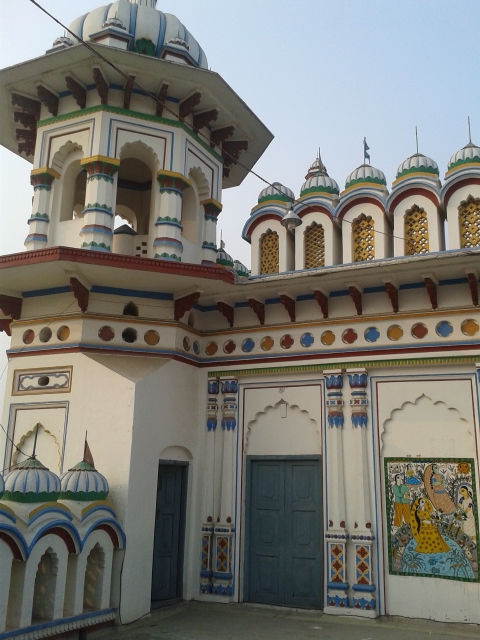
There were many decorative pieces around the temple painted in the style of the local Maithil artists. Clearly this is another representation of the marriage of Rama and Sita.

20140207_162841

20140207_164527

My first encounter of Janaki temple chanting was the evening of our second day in Janakpur when it started, broadcast noisily over loud speakers. 36 hours later it was still going strong, having continued all through the night and, quite honestly, it was starting to drive me a bit nuts. When I asked around I was told there the temple had a chanting tradition, which goes on 24/7 year round. This didn’t quite make sense as the town was quiet the first day, and sometime later the chanting inexplicably stopped. Did it go on 24/7 or not? I never did quite get to the bottom of it. The best we could figure out is perhaps someone paid for the chanting to be broadcast (during a wedding perhaps?) and the reminder of the time a holy man chants quietly in the temple somewhere,  hopefully geting someone to change shifts with him occasionally….. Ram Sita, Ram Sita….

Janakpur Town: The Wild Wild South


I just returned from a trip to Janakpur.  Back in Kathmandu it’s dusty.  In Janakpur its dustier.  Kathmandu is pretty dirty….Janakpur is dirtier.  Back here in Kathmandu things are looking more organized…I’m sure you can guess why.

But it was a good trip.  And Janakpur is interesting place to see, despite its difficulties.

Its is in the Terai, the southern part of Nepal, close to the Indian border.  The Terai is flat and fertile — the bread (or rice) basket of Nepal — less populated, less developed and much more Indian in style and flavour.  Rickshaws are very common. There are more bicycles than motorcycles, but not so many that you can’t walk in the street without fearing for your life.  Cars are few.

It took a while to get used to the flow of street life.  People, bikes, and rickshaws traveled slowly, weaving together in continuous intervening streams.  Janakpur had the feel of a  . dusty border town from the wild, wild west – minus the horses and guns.  But what it lacked in horses it made up for in chickens, cows and black boar.  Yes, Pumba roamed the streets here.  Dozens of them.  And I was drawn to them with fascination — as I am now over the street cows (which are so yesterday darling) — and loved watching the squealing black piglets running down the side streets.  Often the street cows and pigs grazed the garbage in peace, side by side.

DSC01455

Foraging piggies….in the mist.  My best shot ;o(  Never work with children or animals!

We took a couple of early morning walks through the city.  Even at 6.30am in the early morning mist, there were already throngs of people walking to work or school.  We headed into the unknown through the fog, past storefronts just opening or shopkeepers still curdled up under bedding.

By the end of my stay I was ready to leave the dust and dirt.  But I took home some good memories of the people, countryside, and the famous Janaki temple – which I will leave to another post.

DSC01504

DSC01505

DSC01473

Hotel Welcome – where welcome never ends ;o)

Flag Day


In the foreign service, flag day means the day that you are handed a national flag representing the country of your first post. Here is Nepal, on our second assignment…in meant something quite different….

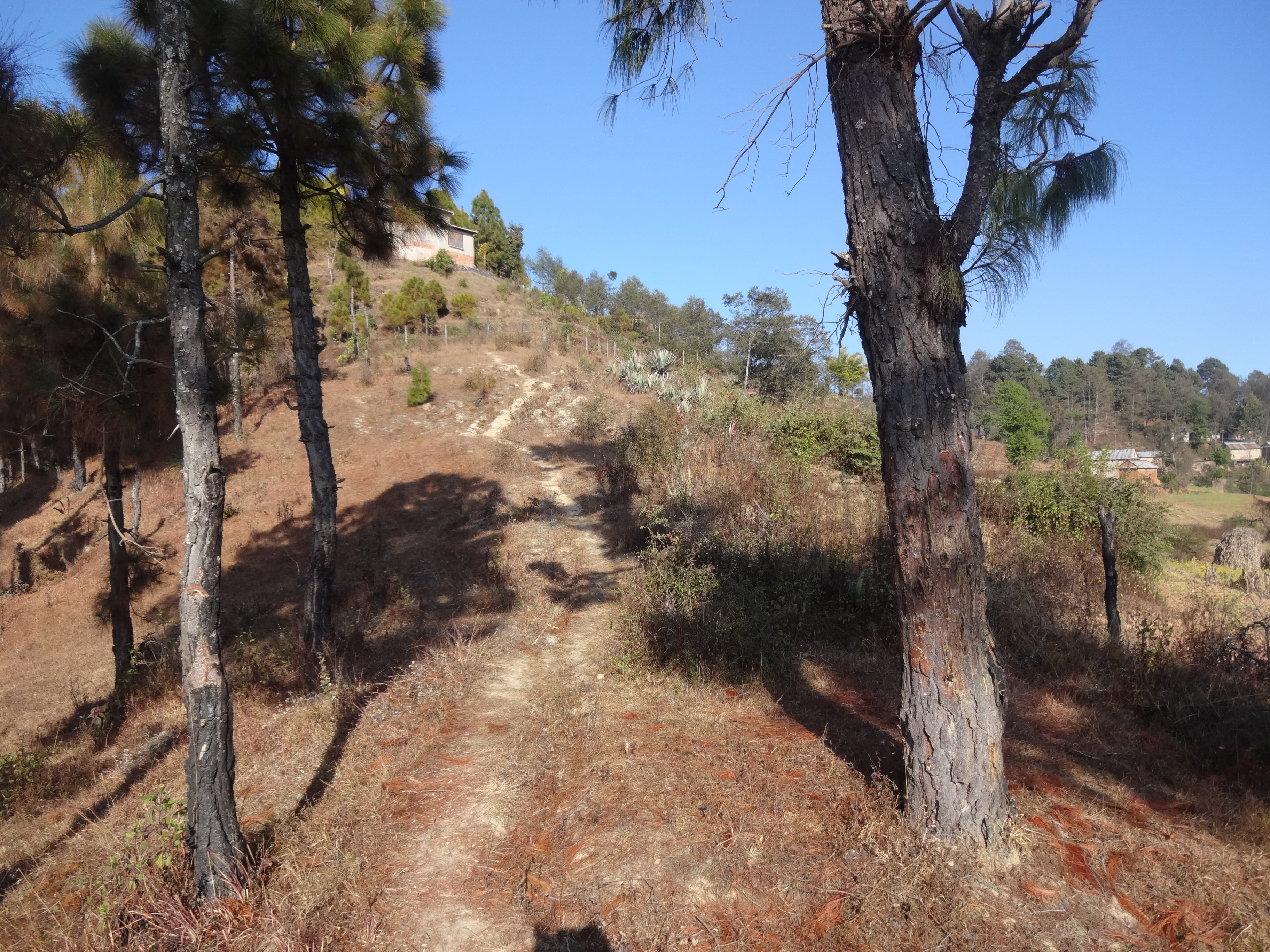
There are lots of nice trails around Namobuddha. You can walk to the stupa itself, or head in the opposite direction to the monastery, or even combine them both in a 3-4 hour loop. We decided to head out towards the monastery, and explored some of the woods and trails on our way. The views were still fantastic, even as the sun got higher in the sky. One side of the valley was still blanketed in cloud and the other side was completely exposed. We sat on the edge of a terrace and looked down across the rice fields.

DSC01299

The amazing multi-leveled view.  It was hard to stop looking.

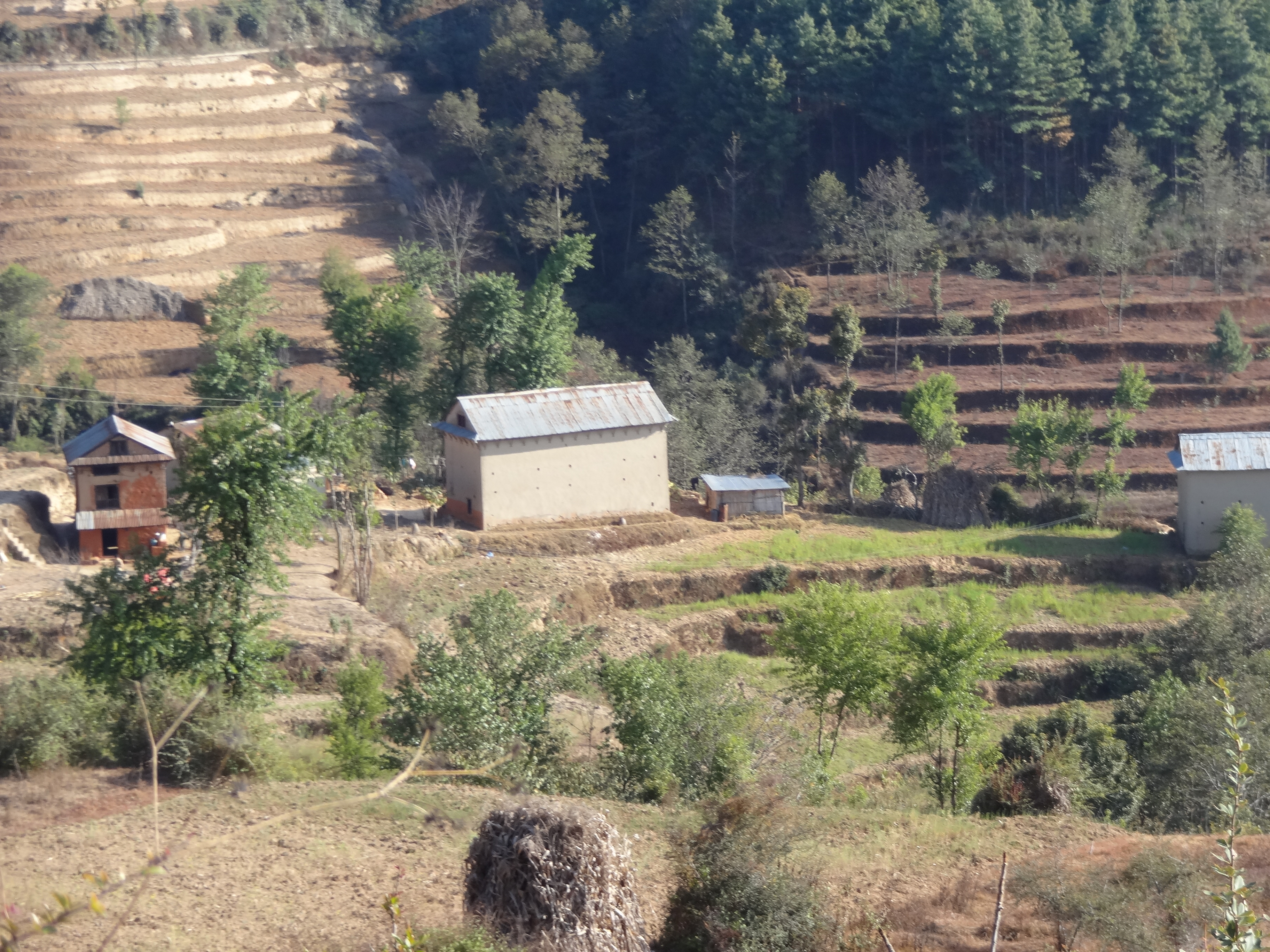
The trails winded along the hill, passing small farms, kids playing and farmers working in the fields. It was a beautiful spot and everyone made their hard lives look tranquil. Sometimes its easy to forget how difficult their really are.

DSC01310

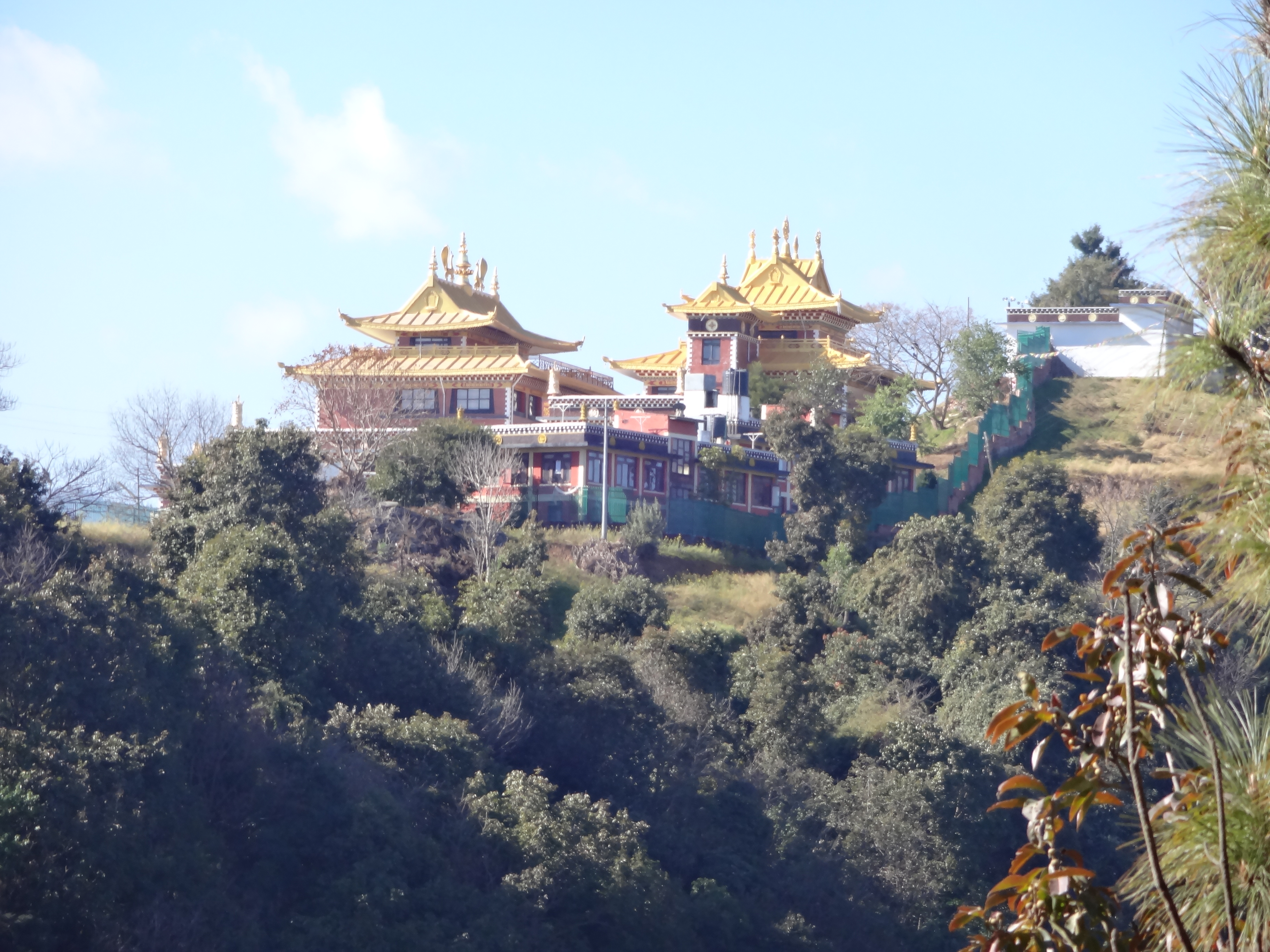
Namobuddha monastery

DSC01341

DSC01382

DSC01342

As we moved into the forest, the flags started.  Prayer flags were stretched across the landscape from tree to tree, blowing in the wind.  As we walked on, the strings of them grew thicker and thicker.  There were new colourful flags, fading ones, and some that had obviously been around for a long time.  Robert couldn’t figure out why no one picked up the old ones, and why they were left lying around like more of the garbage we have seen strewn around Nepal.  My instinct was that the old flags weren’t the same kind of problem as garbage in this country, where no one seems to care about throwing plastic, glass or trash down on the side of the road. Perhaps they were representative of someone’s prayers or dreams and shouldn’t be removed ?  I resolved to research it once I returned to my computer.

It turns out that I wasn’t quite right about the symbolism, but I was right that symbolism is involved.  The prayer flags are added to the environment as a way of promoting peace.  The wind blows over the prayers printed on the flags and spreads their message through the air, purifying it.  The flags become permanent fixtures of the environment, aging just as with all life, and new flags go up alongside, symbolizing change and renewal.  All of which, is a much more understandable approach that the thoughtlessness of the garbage-tosser.

DSC01304

First flags…

DSC01307

DSC01308

DSC01312

…and then strings and strings of them

DSC01379

Some had a little too much wind pass over them

DSC01346

Its easier to look at the faded flags caught in the fence, now I know a little of why there are still there.  They do look a lot like plastic garbage bags deteriorating along a fence.  Now I know better ;o)

Chillin’ in Namobuddha


namobuddha resort

Sorry…I can’t move…I’ve got a cat on my lap…


With a three day weekend upon us and the prospect of staying in dusty Kathmandu was heavily outweighed by the opportunity to take a two day break somewhere pretty. So we headed 1.5 hours east of the city to stay at an organic farm, near Namobuddha, a famous buddhist stupa, which is largely in the middle of nowhere except for holy holidays when the crowds descend. This was a quiet, winter weekend and a great time to go to get away.  However, our stay at Namobuddha resort didn’t get off to the best of starts. (This is becoming a trend!) This time it was the weather, which turned bad almost the moment we checked in, and it started raining and raining, which was odd because it is the cold, dry season here and there hadn’t been even the threat of rain for a couple of months.  We spent the reminder of Saturday afternoon huddled up reading and napping, and remembering to enjoy the enforced rest that the weather brought.  By nightfall, despite the continuing rain and darkness, we made our way tentatively over to the restaurant for dinner.  It was traditional and charming, lit by candles but also heated by two electric heaters so it was cosy and pretty. The vegetarian the dinner was good, and we ate great plates of it from trestle tables, shared with the small group of other guests. After dinner, we stumbled the few meters home with our flashlight and the remainder of the resort remained undiscovered, hidden from us by the bad weather and dark.

The next morning the weather was clear and we awoke to this extraordinary view….I had no idea!:

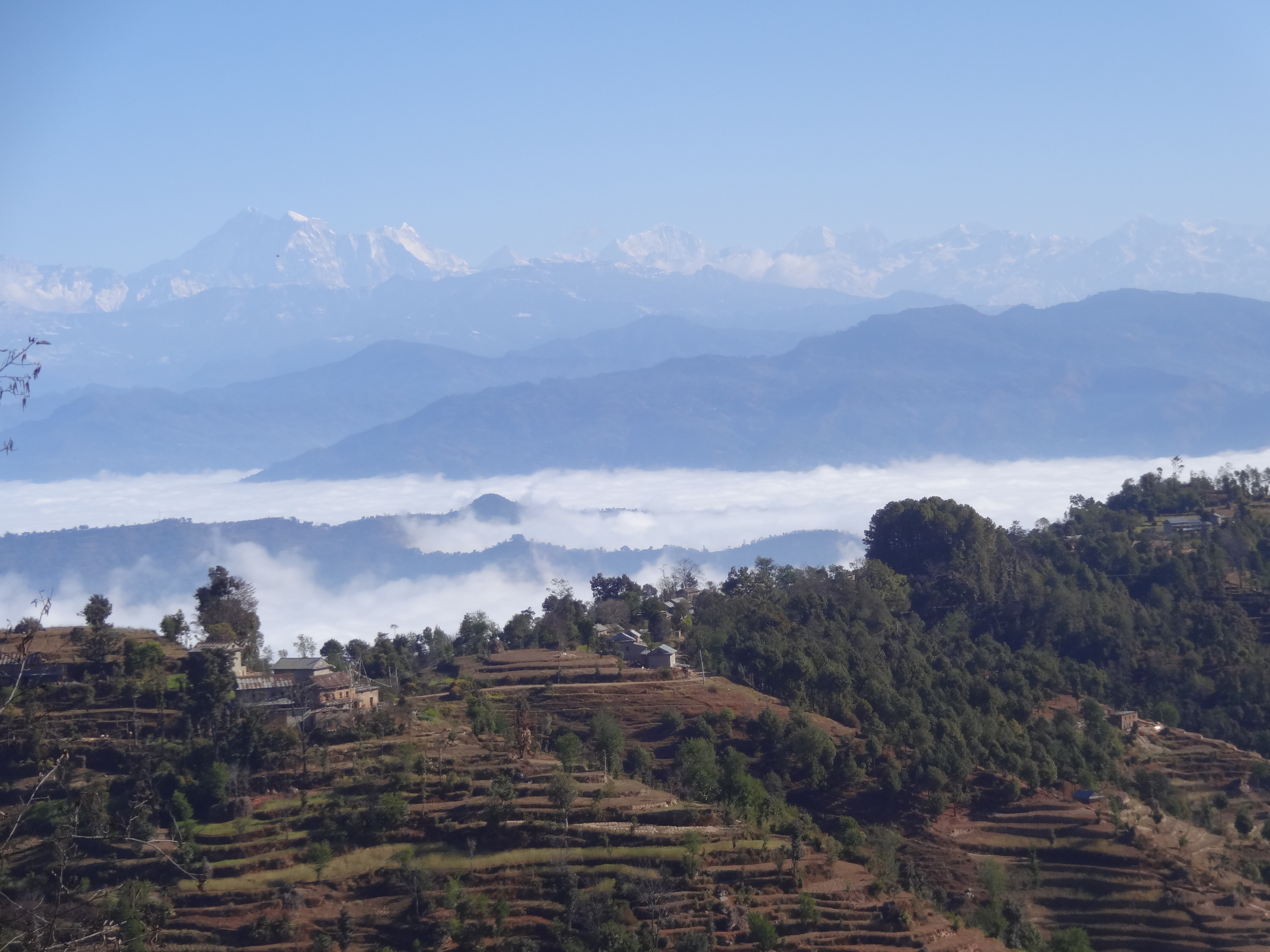
View from Namobuddha

Its so hard to try and explain the other-worldliness of the scene. The massive mountains were hidden yesterday, and were now revealed, along with what looks like a massive lake, but is actually the top of the clouds that are covering the valley thousands of feet below.


After chasing views of the Annapurnas (twice) with only limited success, suddenly we were treated to an amazingly clear, other-worldly scene of mountain majesty that only National Geographic usually delivers. I sat and ate breakfast in awe.

What was extraordinary also, was the “cloud lake” below us, which complete obscured the valley.  It felt like we were flying over Nepal, looking down, but only seeing the mountain peaks that had broken through the clouds.  Interestingly, later in the day the fog below started to lift and slow hugged the mountain peaks, until the scene was total reversed with the mountain tops obscured and the valley below revealed.  It was like watching the world from God’s control box.
namobuddha resort

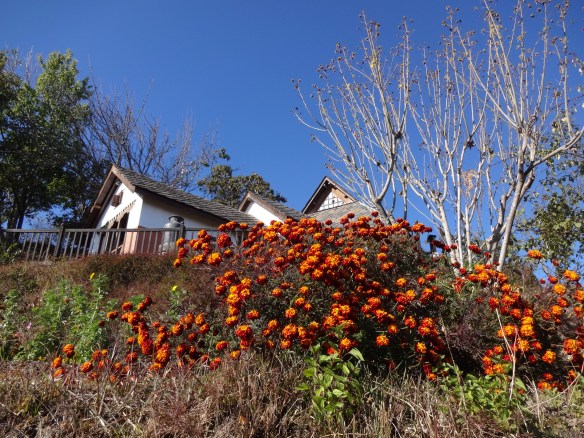
Beautiful blue skies and flowers in January


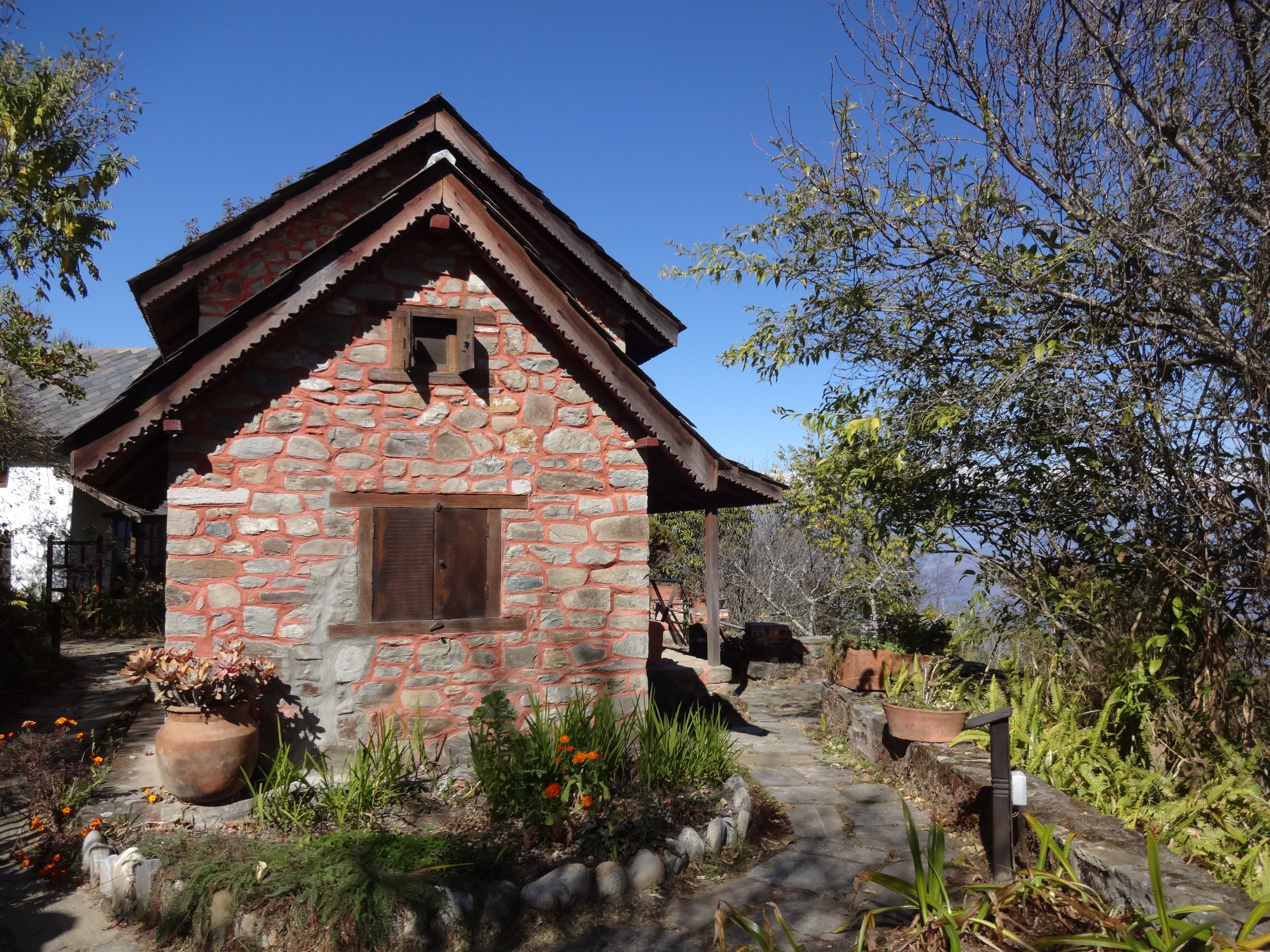
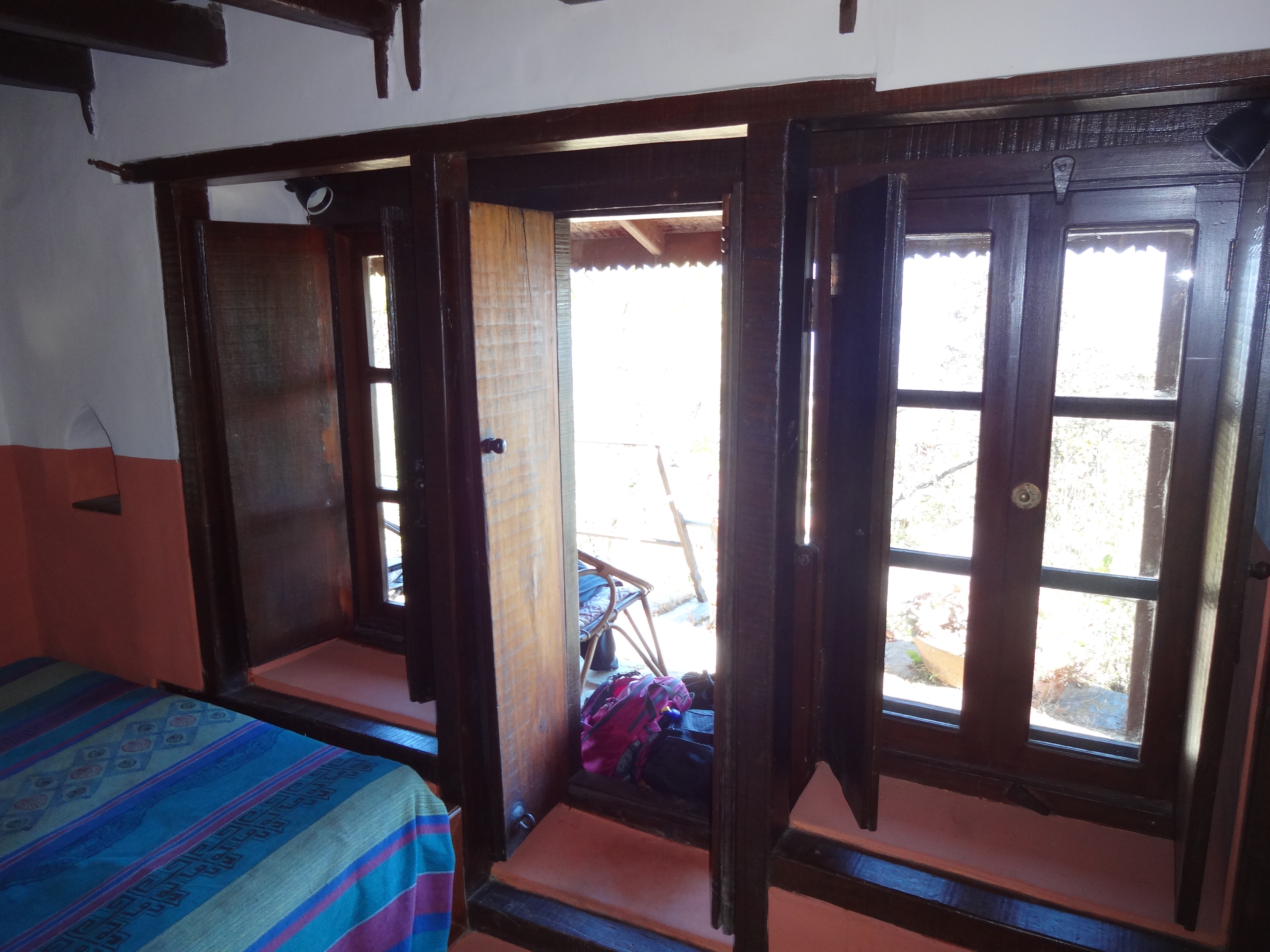
The little cottage they gave us was delightful. Robert called it a hobbit house and it was just like one. Built of stone, with really well crafted local architectural features, it was both charming and functional. The ceilings were purposefully low, making it easier to heat. and the windows were designed to let in as much light as possible while providing the least opportunity for heat loss. Everything was scaled down to fit with the beds being almost on the floor and the chair legs shortened to about eight inches. The steep wooden staircase let up to a bedroom upstairs with windows so so low you couldn’t see the sky. The staircase was also convertible, with side panels that lowered to close off the stairs, offering privacy and a way to keep the hot air trapped upstairs at night.

After a freezing cold visit to Bandipur last month, I was prepared with slippers, blankets and hot water bottles. But actually the house design, along with a small electrical heater worked really well at keeping the temperature in the house very comfortable. Even the bathroom had an old-fashioned wall-mounted heater …the kind that we had when I was a kid before central heating.  It’s electrical coils poured out intense heat at the pull of string so you could dry in comfort after a shower.

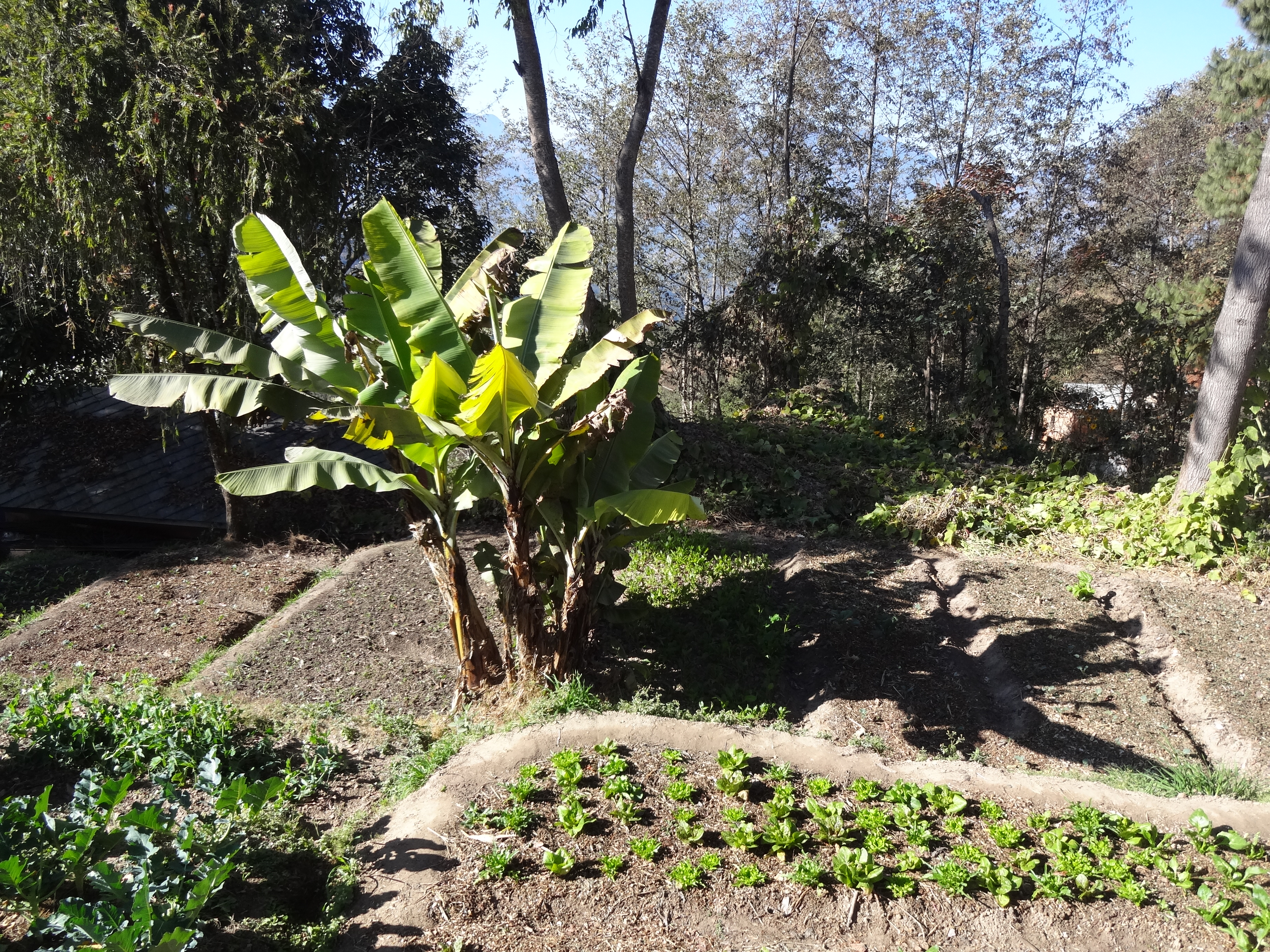
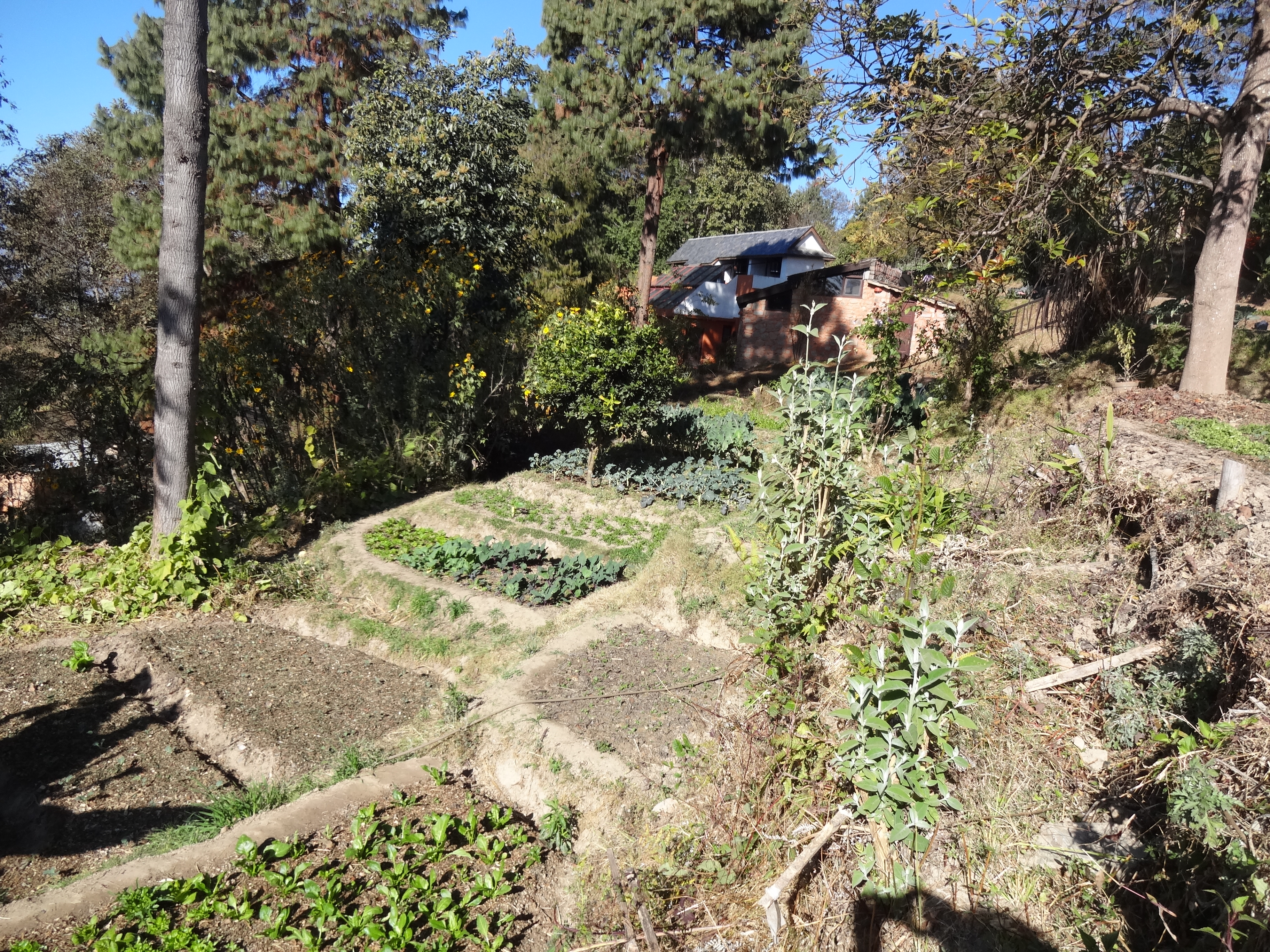
At the back of the resort is the organic vegetable garden, with a small greenhouse, which is charmingly kept. The crunchy granola part of me just loves seeing food grow. Although I haven’t been able to realistically grow vegetables for years, I loved visiting them at the organic farm we belonged to in NJ. And the organic farm is one of the few things I really miss about our NJ life.

namobuddha resort

Our little stone cottage

namobuddha resort

Downstairs was a bed that doubled as a reading spot.  Look at how short the chair legs are!

namobuddha resort

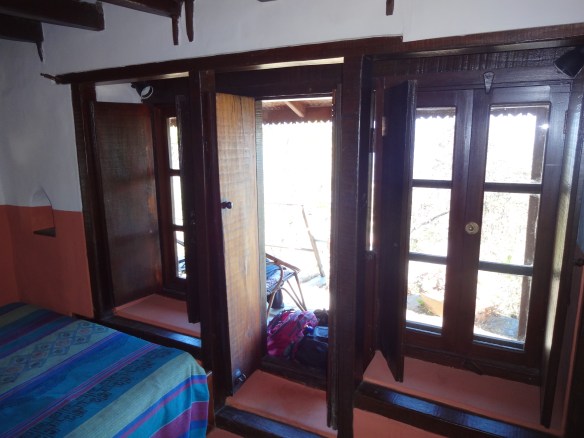
Traditional windows.  The walls were painted a terracotta.  Traditionally they would have been made from mud.

namobuddha resort

The staircase panels.  Release the hooks and lower them down to cover the staircase.  This gives privacy and traps the heat upstairs during the night.
namobuddha resort

The main entry door was so tiny, I had to duck to get in and out of the house.  Robert had an even harder job.  Whacked my heat — twice — badly!
namobuddha organic garden

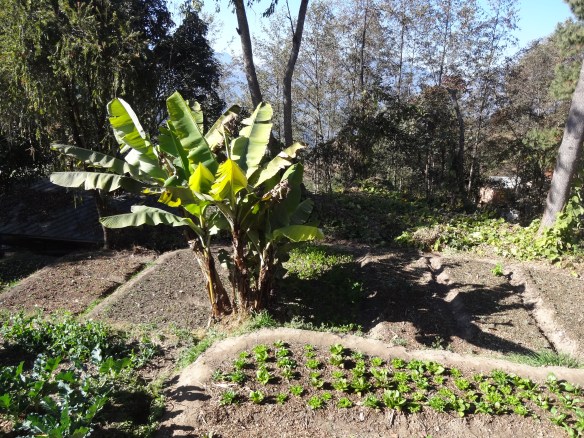
The Winter vegetable garden:  broccoli, cauliflower, greens and bananas (no fruit yet)

namobuddha organic garden

DSC01332

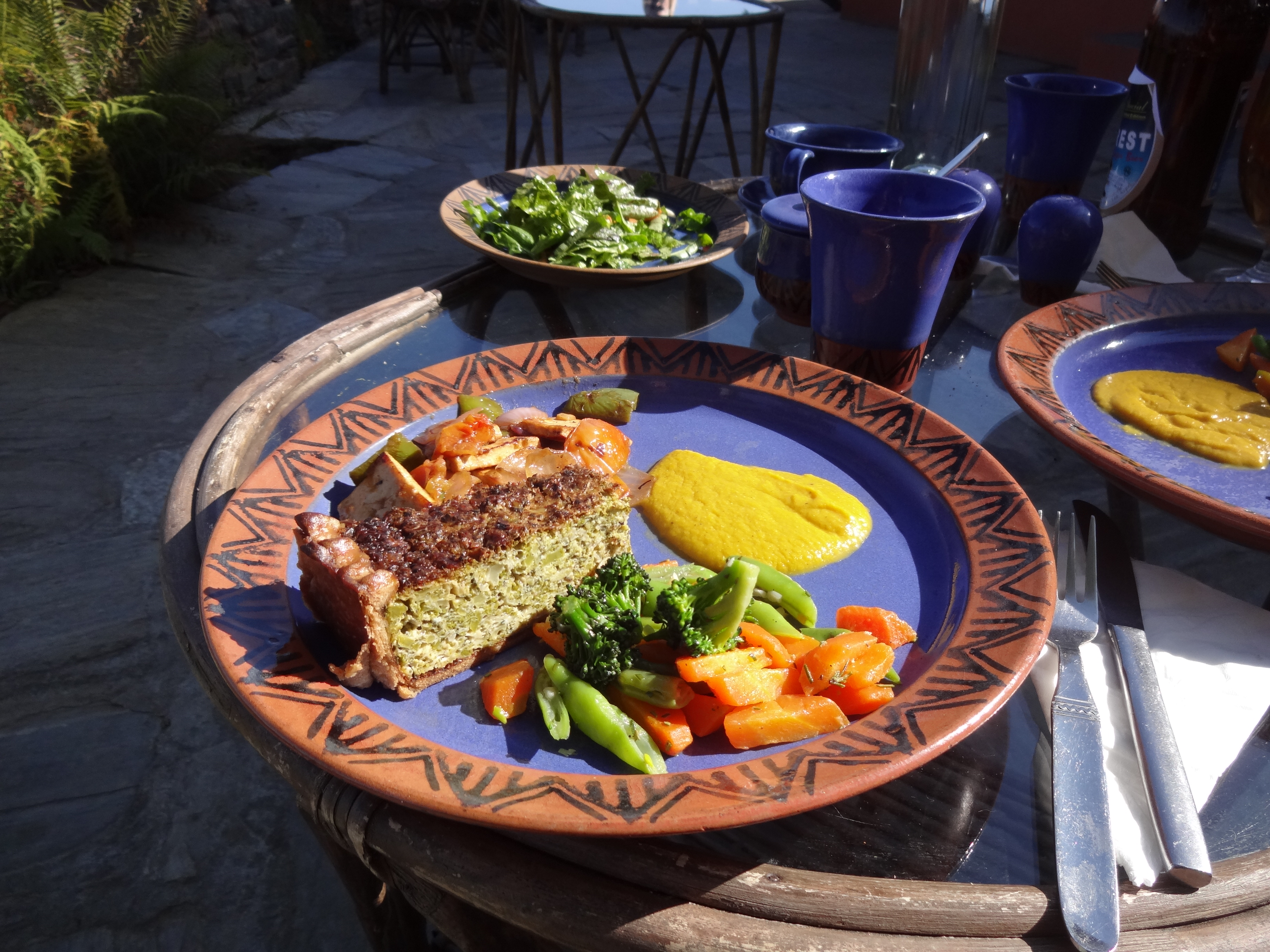
From garden to table:  broccoli quiche with fresh veggies!

Review of Sapana Village Lodge, Sauraha


sabana

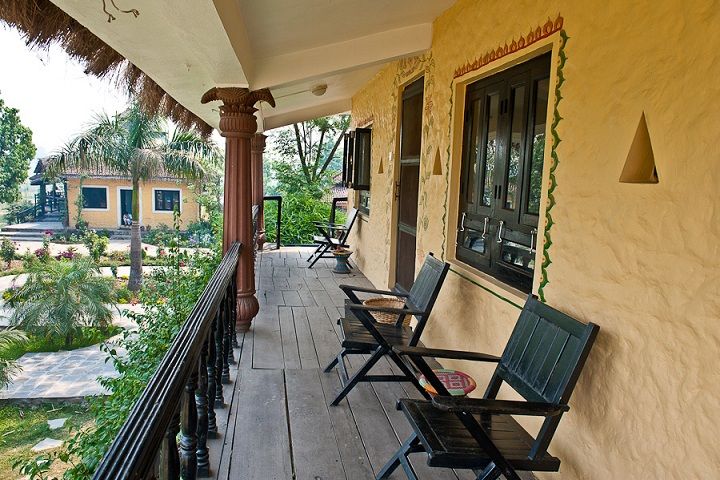
One of the 4-unit hotel buildings

Our arrival at the lodge didn’t get off to the best start. The resort was full and our names weren’t on the arrival list. But the manager somehow managed to find us rooms anyway. It was the start of a really different level of friendly service that I hadn’t seen anywhere since the Philippines.

sapana village lodge

They had great covered decks outside of every room. The chair was comfortable and the view was great.

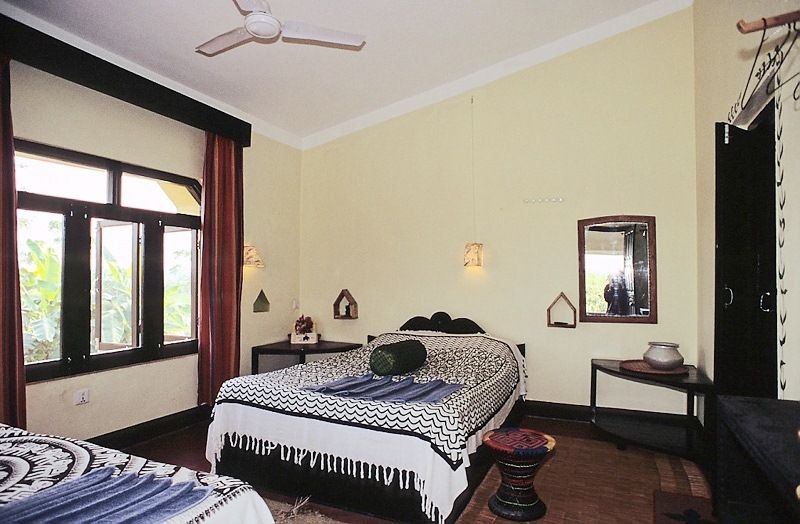
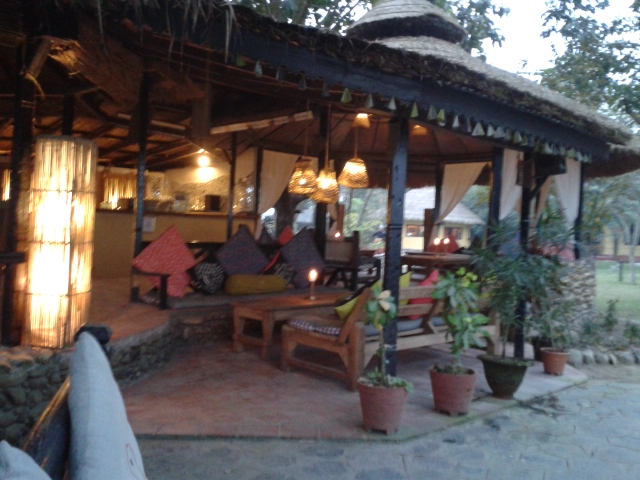
I have to say, Sapana Village Lodge is really my kind of place. It was pretty and designed with thought and care, but it wasn’t too fancy which made it more charismatic and welcoming in my opinion. There were balconies outside the rooms with views, and places to sit in the shade and read…pillows and footrests..  There was a really chilled out bar area with giant floor cushions where you could just hang with a cup of coffee or something a bit stronger.  I loved the large deck overlooking the jungle and the river.  I could have hung out around the resort all day reading, except that I had to get the elephant bug out of my system….and I had to go ride in a canoe…..But now that I have experienced those, if we are lucky enough to come back, it will be to chill out, read, and just enjoy the countryside and friendly atmosphere for a few days.

sabana village lodge

The ultra chilled lounge. Just hanging out next to the jungle and river! This is where we spent new years eve in the dark, sitting next to a fire pit.

sabana village lodge

The rooms were pretty nice too. The bedspreads were made locally by a fair trade organization. We liked them so much we bought our niece one!

sapana village lodge

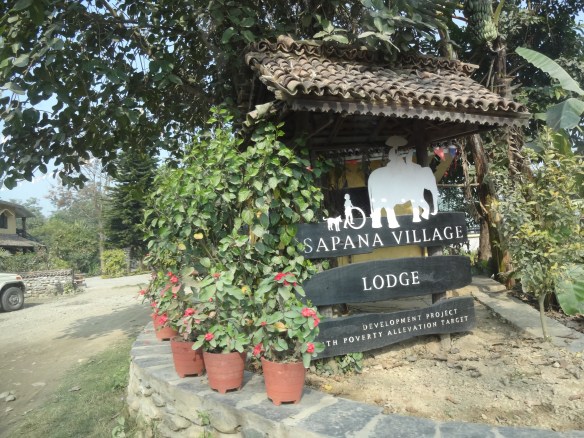
“Development Project for Poverty Alleviation” Not only was it a wonderful, friendly place to stay but it was run as a community project for the benefit of locals.

The lodge store had handicrafts made by locals from local materials. As we sat drinking our tea, we could watch people collecting the reeds from the river to make the baskets. 50 meters away was the elephant barn, and in the little shop they sold notebooks made from elephant dung.  (Which are actually very nice….  The elephants actually do most of the work making pulp out of straw for the paper making if you think about it that way!) There was a constant connection between the resort and its surroundings…their elephants footprints were definitely bigger than their carbon footprints!

They had a culture of friendliness and interest in the guests that was unusual too. The service ethic was there, but sometimes a waiter would come over and talk just to get to know you, or ask about your experience in Chitwan.  It was very engaging and yet laid back at the same time.  I started my Christmas plans in October and initially booked Tiger Tops Resort, as everyone told me that it was the best, the most romantic, and well worth the very high price they charge . However, I’m really glad we changed our plans.  I’m sure Tiger Tops has a lot going for it, but Sapana Village Lodge was excellent, friendly and very good value for money.  I highly recommend it and am already working on ways to get us back for a few days!

Sign Language: Back of the Bus


nepalese bus

Please, please can we overtake this bus? If I have to look at the misspelling of adidas for one more minute, I’ll freak out!

As much as I liked being on the road for a week, I disliked being stuck behind one of these things. For the majority of the time on the Nepalese highways you have just overtaken one or there’s one in front that you’re looking to overtake. Its competitive and different degrees of dangerous depending on the road and who you’re sharing it with!  However, quite often it was surprisingly cooperative and there was a spirit of teamwork as drivers honked and signaled back and forth.  I say “surprising” because of the contrasting attitude of sheer belligerence and adamant non-cooperation that is the status quo on Kathmandu roads.

nepalese truck

See you! The most popular tailgate message on Nepali trucks.

Basically, the horn is everything on the highways.  It signals “I am here”…”I plan to overtake”  …or “I am overtaking”.  I don’t think I can recall it being used in retribution or as “fuck you get out of my way” as it does in Kathmandu.  It was interesting to learn that the trucks use their right-turn indicators to signal to the driver behind that he can overtake.  As mad as this sounds, it actually works quite well, as long as everyone understands the rules.  Nepalese highway drivers know that a truck signalling to turn right is not actually planning to turn right off the edge of the cliff, but is giving the ok to overtake.  (I suppose it puts the turn indicators to work in a world where there really isn’t anywhere to turn right or left …just a straight road to your next destination.)

There were times when everyone seemed to be cooperating and paying attention, and then some arsehole (there is no other word) would show up with a blatant disregard for anything going on around him, speeding and overtaking without looking or signalling, creating numerous near misses with oncoming traffic, and causing waves of winded drivers in his wake.  Those I fear more than steep drops or windy roads.  And on the way back home, heading for the final uphill climb before the descent into Kathmandu valley, there were a fair few.  Question is, do we do this next time, or the marathon wait at the notorious domestic airport. It will be one or the other because I loved what I saw and tolerating either of those evils is the only way to get back.  See you!

DSC01032

The hip and cool roadster. No time for love, baby!

nepalese truck

I never did figure this one out. Wait for side signal, maybe?

Chitwan New Years 2013


20131231_171521

The pretty bar area where we saw in the New Year

We had a slightly chilly, very chilled New Years Eve, camped outside in front of a roaring fire in Chitwan. It’s funny because December 31 was just a date while I was figuring out our roadtrip schedule and what exactly we would do wasn’t really discussed. As it transpired, the resort laid out a decent New Years Eve meal for everyone, and organized some local Tharu cultural entertainment and a Nepali three piece band who sang a mixture of Nepali folk songs and The Doors. Unlikely I know but, hey, it worked! It was simply done, easy to listen to and fun.

As the sun started to go down, we settled onto the wide outside sofas next to a newly roaring fire, sipping tea (or beer) and chatting with our Dutch neighbors. It gets pretty nippy in Chitwan, in December, after dusk….so we bundled up and fed the fire.  We had all had a day full of adventures and our fill of elephant experiences, so there were lots of stories to share.

sabana2

Outside deck of the restaurant and watching the sun go down over the river

tharu stick dancing

Watching traditional Tharu stick dancing

20131231_171533

Early evening. Lighting the bonfire for New Years Eve. It was too dark and chilly to try and take photos later. But we huddle up here for the evening, sharing stories.

Sitting around listening to the music, and feeding the smoky fire, it felt more like someone’s backyard party than a hotel and I liked it that way. If I wanted another drink, I could ask for it, but no one pushed drinks or bothered us. The waiters got up and danced with the Dutch medics who had shown up for their annual childrens health care clinic, and the party took off…. I’m sure the kids would probably have liked a more of a young persons New Years party, with more people their own age, but they didn’t complain and seemed to be full of so many new images from the day that it didn’t matter.

I couldn’t help but reflect on the last New Years we spent in Siquijor in the Philippines. There we had strolled barefoot on the beach, here we were bundled in front of a firepit. In Siquijor there had been a flashy floor show, big buffet and champagne.  Here we sipped tea and shared a bottle of wine. And yet, some how they were similar:  both years we looked ahead to the New Year in a beautiful, remote place, some how still with family,  but in a culture that wasn’t our own. Isn’t that the best way to travel? Happy 2014!