Weekly Photo Challenge: Spring


spring1

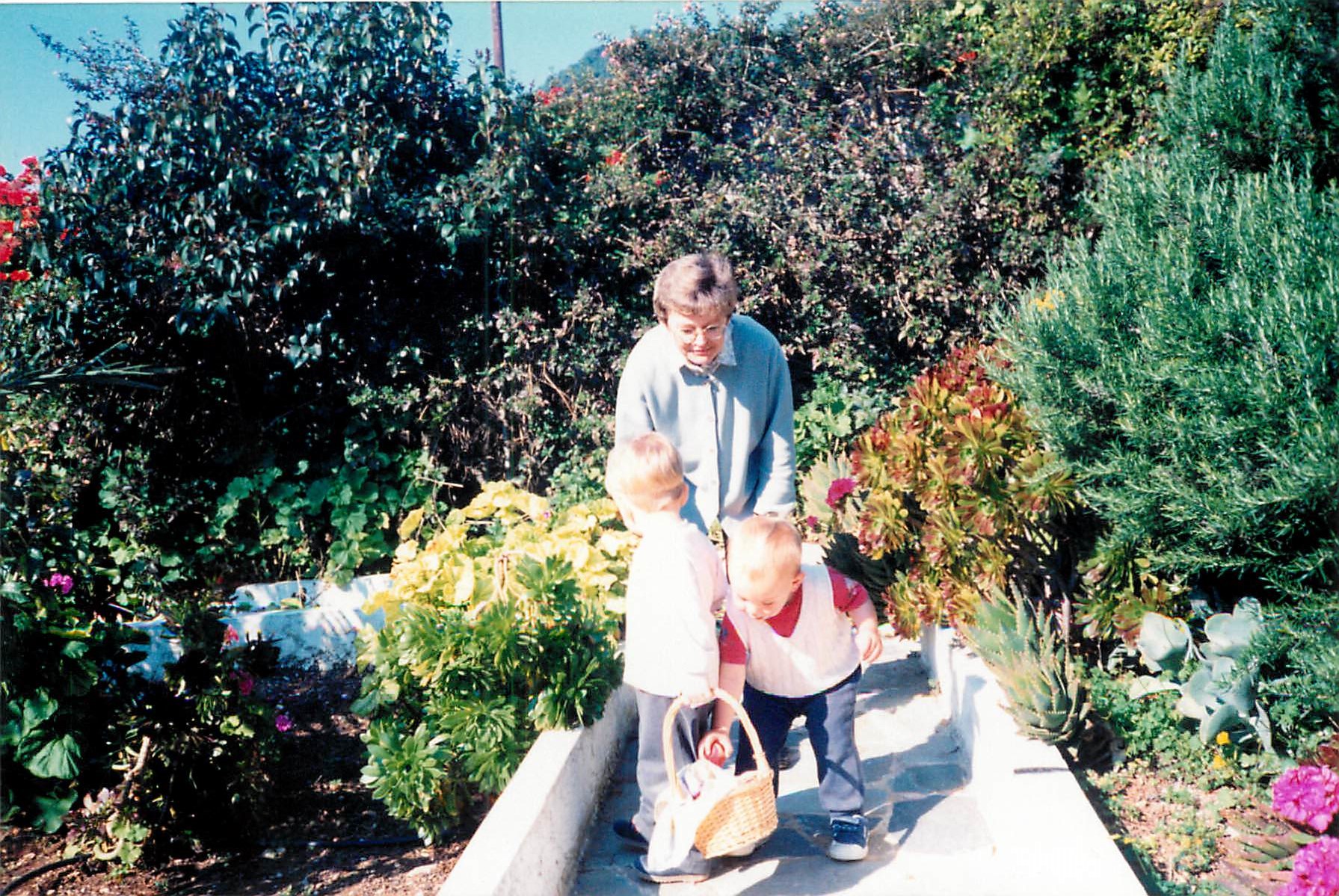
I was having problems with this challenge as its been a long, long time since I’ve experienced (or photographed) anything that is remotely “spring” from my personal definition and memories.  No daffodils, tulips, or melting snow. So I decided to pick a nostalgic route using my most favourite memories of spring: Easter in Greece when my son was little. Spring was Easter egg hunts, wild daisies on the mountainsides, fantastic flower displays in the garden and hikes before it got too hot. I miss much!

spring2 (2)

Easter egg hunt with Susie and Stephanos

spring3

Oh the Spring flowers and clear blues skies!

This post participated in the Daily Post’s Weekly Photo Challenge: Spring

A Word a Week Photo Challenge: Watch


IMG_7170

Kathmandu school kids watch a concert by an American eco-rock band….but the party really gets started when they play a few Nepalese folk songs. Then the audience gets up to dance and we are watching them…great fun! For the full story see Power of the Sun.

DSC00859


This post participated in A Word a Week Photography Challenge: Watch

Daily Prompt: Worst Case Scenario


first-world-problems


I’m ready for work but my driver hasn’t shown because some big wig minister is driving through town and the police have blocked some of the roads. This has made him late, and now its going to slow down our drive to work too, making me even later.  We sit in traffic behind buses belching black smoke, and arrogant motorcycles honk their horns and menacingly weave around us, pushing to the front of the jam.  An almost useless traffic cop does a half-hearted job of controlling the traffic (there are no traffic lights) and finally its our turn to move.  Except we can’t go anywhere until over 100 motorcycles (blocking both lanes now)  unjam themselves from the chaos at the front of the line.  It takes way too long and we almost don’t make it through.  But we move forward on his last wave and turn on to the dust and bumps of what should be the main road.  It is still unpaved.   For the last three months we’ve been tripping on the dug up road, and last night it rained and the street is a sea of mud and puddles.  The street-widening project now just feels like street obliteration.  There’s nowhere for pedestrians to walk or drivers to drive.  It just straight mess.

As we pull up,  I’m realize that I’m wearing the wrong shoes.  Yes, I know heels are a bad idea, but flats look awful with this outfit, and I didn’t stop to think about the consequences of the rain.  Jumping over massive holes where the curb should be, I skid on muddy gravel and twist my ankle, getting mud on my clothes and shoes. I arrive to work late and muddy.  It is only 8.30am and I’m already pissed off.  I’m also cold because, in my mad late frenzy,  I forgot my jacket.  No-one’s turned the heating on properly.  A cup of coffee would warm and cheer me up, but the cappuccino machine is not working and they are only serving that Nescafe crap…..

First world problems, are trivial inconveniences that the developed world bemoans, but developing countries only wish they could have the luxury of experiencing.   They’ve been the butt of many jokes recently, as complainers are ridiculed for an over-inflated sense of entitlement and blatant ignorance of the plight of others.  Yet, its an easy mindset to fall into, especially living in the developing world when, on some days,  my worst case scenarios are fueled by my first world expectations for how things should be, not how they are.

First world problems in a third world country truly takes the message to a new level.   The mental challenges of handling frustrating experiences here means walking a line between trying to remember (at least most of the time) how privileged my life is compared to so many, and yet reserving the right to complain (at least a little) for the sake of my own sanity.  Plus not complaining sometimes just feels like acquiescence to something that is just plain wrong.    And hats off to those that do more than complain, who generate higher expectations and elicit positive contributions from others, so that  — little by little –  Kathmandu becomes a healthier, cleaner place to  live.  For their sakes, I’ll try and keep my first world problems down to a minimum.

This blog post is a participant in the Daily Post’s Daily Prompt: Worst Case Scenario

A Word a Week Photo Challenge: Water


DSC01555

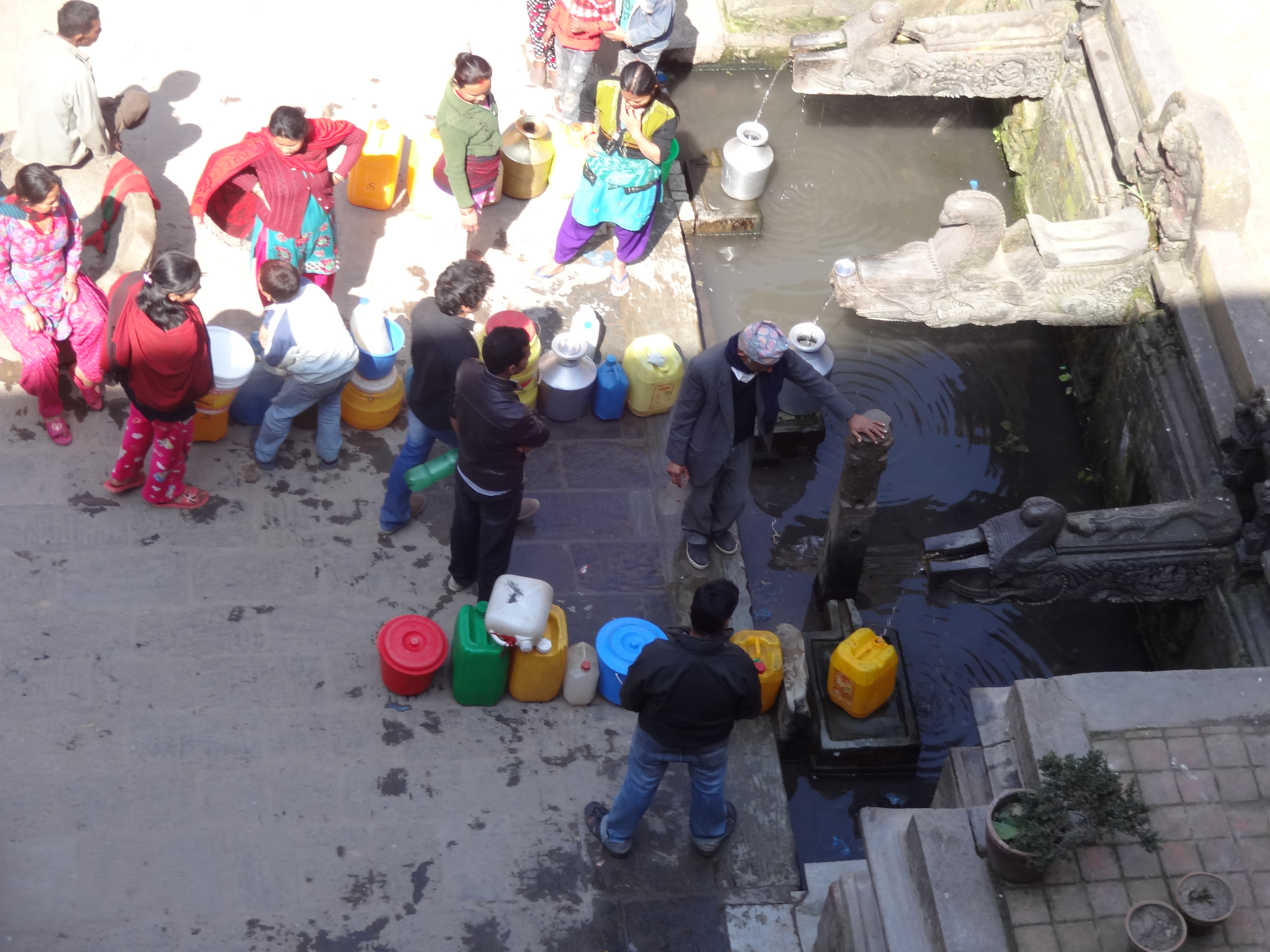
Lining up at the community water fountain, in the shade of Patan Royal Palace, Patan Dhurba Square, Kathmandu

Patan Dhurba Square has some of the most stunning architectural in Nepal.  From Patan museum’s bell tower, looking down from intricate  handcarved wooden windows,  you don’t just see preserved heritage, but also everyday life.  Most people don’t have running water and lining up at the water fountain in a daily routine. Don’t forget to fill them all the way up!

patan dhurba square


This post participated in the A Word a Week Photo Challenge: Water

Pokhara: Last Stop!


As interesting as it was to visit Lumbini, it was a good feeling to drive out of the dust and heat, and slowly make our way up from south to north through Nepalese hill country. For about six hours we wound up and down hillsides on narrow roads, drove through small roadside small villages, and finally arrived in Pokhara in the late afternoon.

This was my fifth or sixth visit to the city and I wanted to try a new location away from the hustle and bustle of Lakeside. So I picked Maya Devi Resort on the north shore of Phewa lake. Its a quiet, undeveloped location with just the occasional paragliders who drop out of the sky on to the small beach and, unexpectedly, a very good Thai restaurant.

The resort is small and laid back, and specializes in parahawking, a unique type of paragliding.  The owner rescues birds of prey and trains them to lead paragliders to the best thermals, and the paragliders gets a very cool flight experience with a bird.

GE DIGITAL CAMERA

The little hut where we stayed

But we were just there for the relaxation and scenery. And made a few animal friends anyway:

GE DIGITAL CAMERA

DSC02375

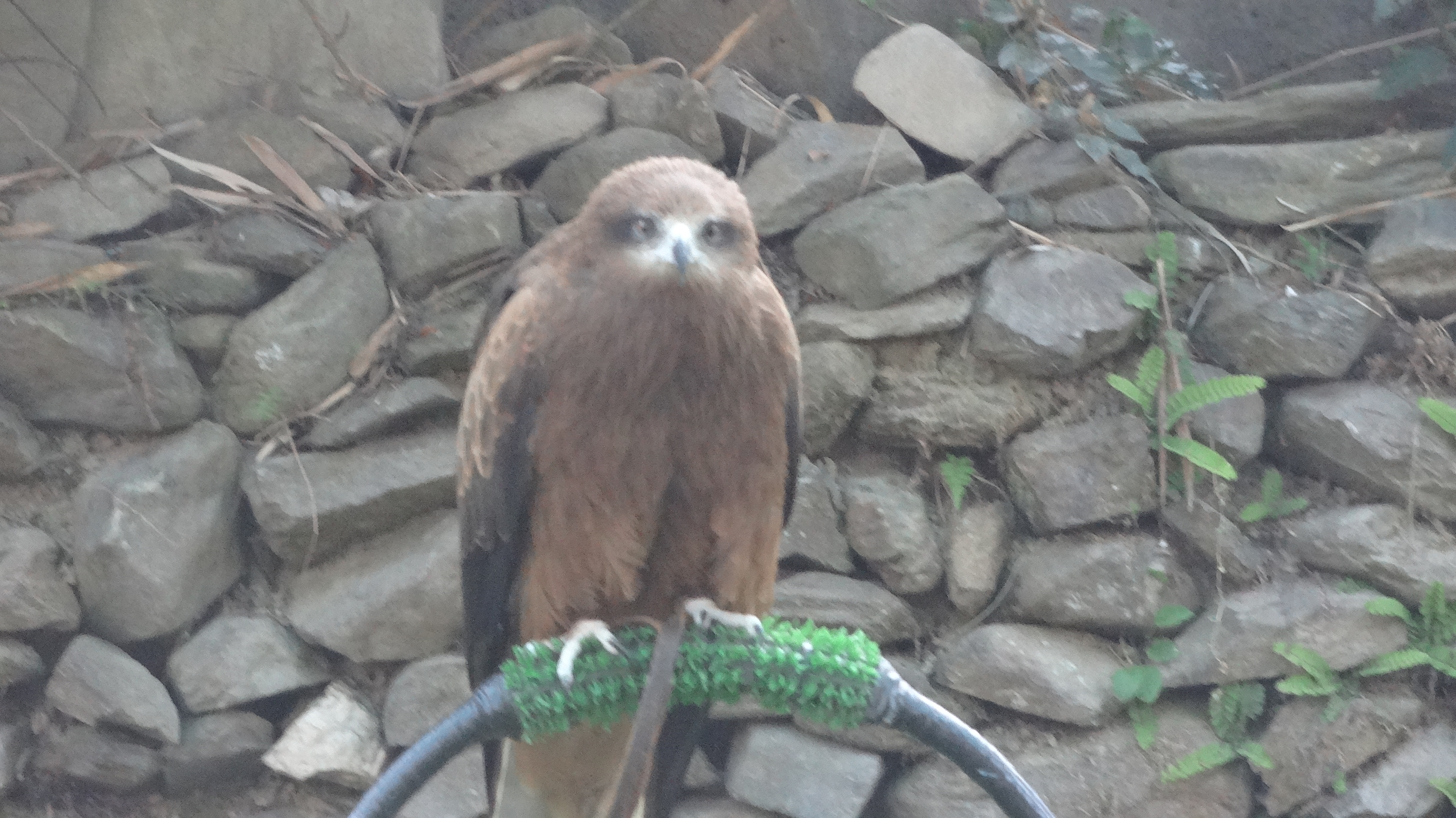
One of the Egyptian parahawking vultures – Bob, I think?!

DSC02376

….and one of his kyte friends.

It was a quiet, relaxing 3 days. The downside was that Susie barely got a glimpse of the Himalayas — she should have had panoramic views – but we did get to spend time rowing on the lake, gossiping in cafes, and trolling around the shops at a much more leisurely pace than normal.

What a great trip!  From jungle to dusty Indian border towns to quiet lakeside silence…..I’ve had worse weeks. ;o)

GE DIGITAL CAMERA

Loved the emptiness of the lake beach at night

GE DIGITAL CAMERA

Visting Lumbini: The Birthplace of Buddha


DSC02331

I’m not sure what I expected to find in Lumbini, which is internationally recognized by almost everyone as the birthplace of Buddha. All I had seen was a few photographs of a white monastery-like building in the middle of nowhere and, as we drove through the arid stretches of the Terai, nowhere seemed to be just where we were heading.  I supposed I’d expected one or two sacred sites and maybe a few golden Buddhas, as after all it is one of the most sacred sites in Buddhism, but I was shocked and impressed at the scale of the place.

The UN Lumbini Development Project was set up in 1970 and a master plan was put together to develop Lumbini, which had fallen into disrepair centuries ago.  Today its an UNESCO World Heritage site,  consisting of a rectangular walled block of land measuring 4 kilometres by 2 kilometres, which includes a sacred garden and Buddha’s birthplace at one end, and a Peace Pagoda at the other.  Between these two extremes runs a long connecting mall with reflecting ponds, vaguely similar to the famous mall in Washington.  Either side of the mall (to the east and west) are plans for up to 40 different Buddhist monasteries from different sects and countries all over the world; some are built and some are still being developed.  And the scale of development is far larger and more impressive than anything else I have seen in Nepal to date.

DSC02310

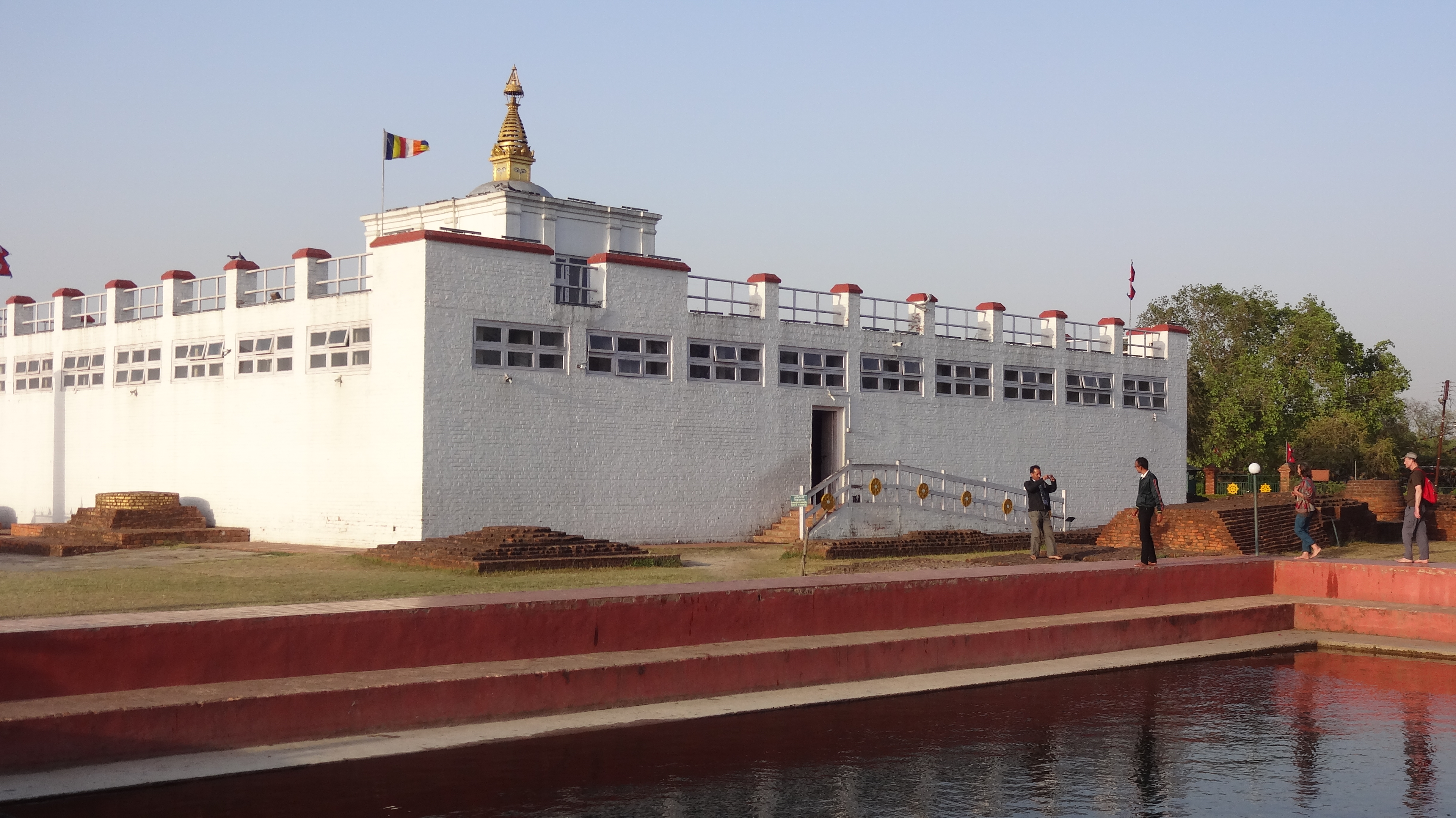
The Maya Devi temple in the sacred garden at the north end of the temple
DSC02323

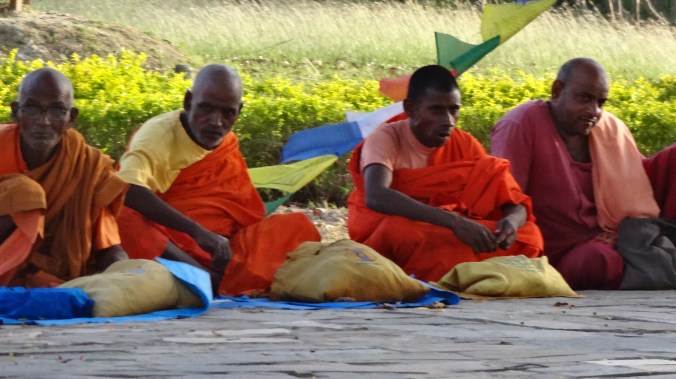
Buddhist monks under the sacred tree.  These guys were selling blessings.

DSC02324

Stunning tree covered in prayer flags that we are told is the tree that Buddha’s mother leaned against to give birth to him.

DSC02325

The ruins of his birthplace are covered in a white monument, but still surrounded by original foundations from other buildings.

GE DIGITAL CAMERA

Part of the connecting mall looking North from the Peace Pagoda

DSC02332

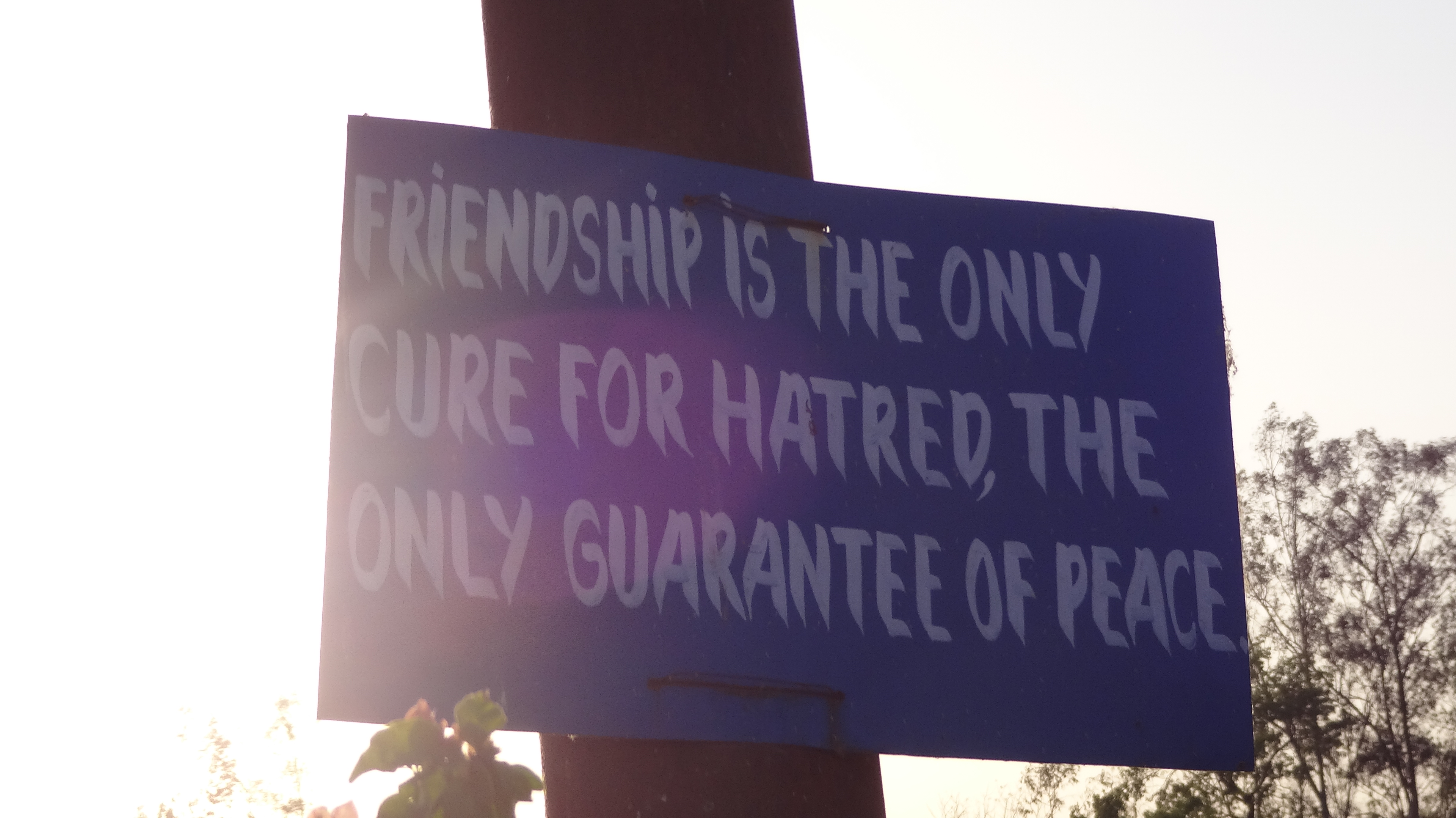
Spaced out along the mall were signs in English and Nepali which shared messages from Buddhist teachings.

DSC02334

At the eternal flame looking South to the Peace Pagoda

I’m not Buddhist, so this wasn’t a religious experience for me, but it was a peaceful and beautiful place. And remarkably clean and well cared for. It was actually quite shocking to walk on clean, swept, wide pathways (and great proof that if Nepalis want to keep something up, they can!)

However, what struck me most was the emptiness of the place.  Wide boulevards that would fit thousands of people, and barely anyone there.  Of course, this had something to do with the time of year.  Touring outside in 90 degree is too overwhelming, even for the devout.  But I also know that Nepal has not done a great deal to promote religious tourism here. Most (non-Buddhist) tourists come for the trekking and mostly don’t even know about Lumbini.  So it sits in relative obscurity, as this giant monument to Buddhist in the middle of nowhere.

Finally, a quick look at some of the monasteries.  I could do a separate post entirely on the different monasteries that we saw.  I would guess there were about 25-30 built and we saw about 10-15: Korean, Vietnamese, Thai, Nepali, Chinese, French and German (yes!) , Japanese….  Here are few examples of the different styles. We spent half a day, we could have spent two days looking at everything. Fascinating place.

DSC02360

DSC02348

DSC02351

DSC02352

Susie making new friends!

The Terai


GE DIGITAL CAMERA

You know you’re in the Terai as pedicabs and rickshaws suddenly appear.

When the time came around, it was hard to leave the peace and greenery of Chitwan.  In April,  the weather was getting a bit too hot and humid for my liking, although not too bad.  But rumour had it that this was nothing compared to the rest of the Terai, which we were about to experience as we were heading westward towards Lumbini in the Central Terai.

The Terai refers to the flat, southern strip of Nepal, which borders Northern India. Most people are surprised to learn it even exists as everyone expects Nepal to be cold and mountainous, not hot and flat. Of course, Nepal is both, and everything in between, it just depends on when and where you are standing.  Its actually astounding how much variety in landscape and temperature there is here.

Back on the road, it was hard to get pictures from the moving vehicle.  On the flat tarmac it was possible to drive faster, and the small towns and agriculture centers whizzed by at speed.  And, yes, it was very hot and dusty, and some of the major towns were ugly (non-descript at best) and there was no reason to stop and see more.

DSC02297

GE DIGITAL CAMERA
What I did like was the agricultural areas.  The Terai is known as Nepal’s bread basket.  And to prove it was saw endless acres of wheat, which happened to be harvesting as we were there.  99% of the harvesting was by hand, with long medieval scythes.  (It looked backbreaking and I can’t imagine doing it in the heat.)   However, we did see a couple of bright green combine harvesters at work in the massive sea of beige.

GE DIGITAL CAMERA

Terai wheat fields

Terai wheat fields

DSC02371

Terai village

Terai village

If Kathmandu is grey, the Terai is beige. Beige mud houses, dusty unpaved beige streets and unending fields of beige crops. And hot, did I mention it was hot?!…. So where in all this hot beigeness would we find the birthplace of one of the major major religious leaders in the world and whatever was it doing here…..? We were about to find out….


Gharial Breeding Center


gharials at gharial breeding center in Chitwan

We’re watching you!

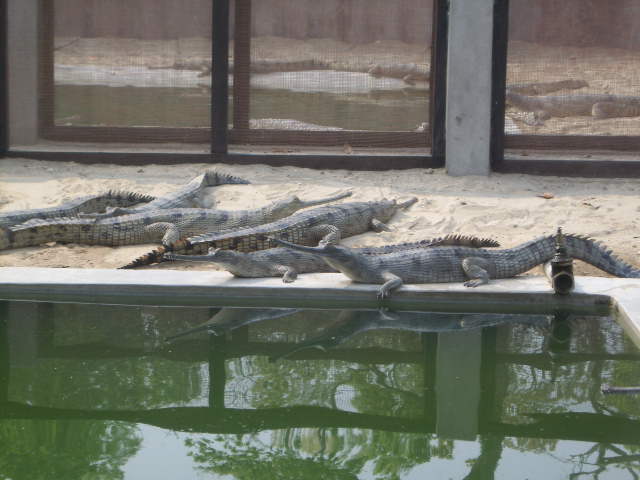
In case you didn’t know, gharials are prehistoric cousins of the alligator, fish-eating reptiles with strange narrow snouts that end in a ball. They might like fish, but some of the larger ones we saw…I’m sure one of my limbs would have made a tasty snack in a fish shortage! But fortunately for us at the Breeding Center, we were safely separated by stainless steel mesh.

chitwan national park, gharial breeding center
DSC02122

Here’s the list of sponsors for the breeding center.  If you look carefully you can see Lacoste – very creative!

The breeding center was built about ten years ago with WWF money and donations from other sponsors in response to the increasing problem of gharial extinction. Its populations have reduced dramatically in the last 70 years and it is now listed as “critically endangered.” The breeding center incubates the eggs and raises babies, and keeps populations of gharials from all age ranges. You could walk from pen to pen and see them at 2, 5 10 and even 45 years old, but I understand most are released into the wild once they reach the age of 4. I couldn’t find any statistics online on the impact that the center is having on the wild populations, but hopefully its a positive one.

crocodile breeding center

Gharials that are few years old.  I loved the way they piled up on one another like logs!

alligator, gharial, crocodile

…and then there were these big terrifying ones

DSC02116

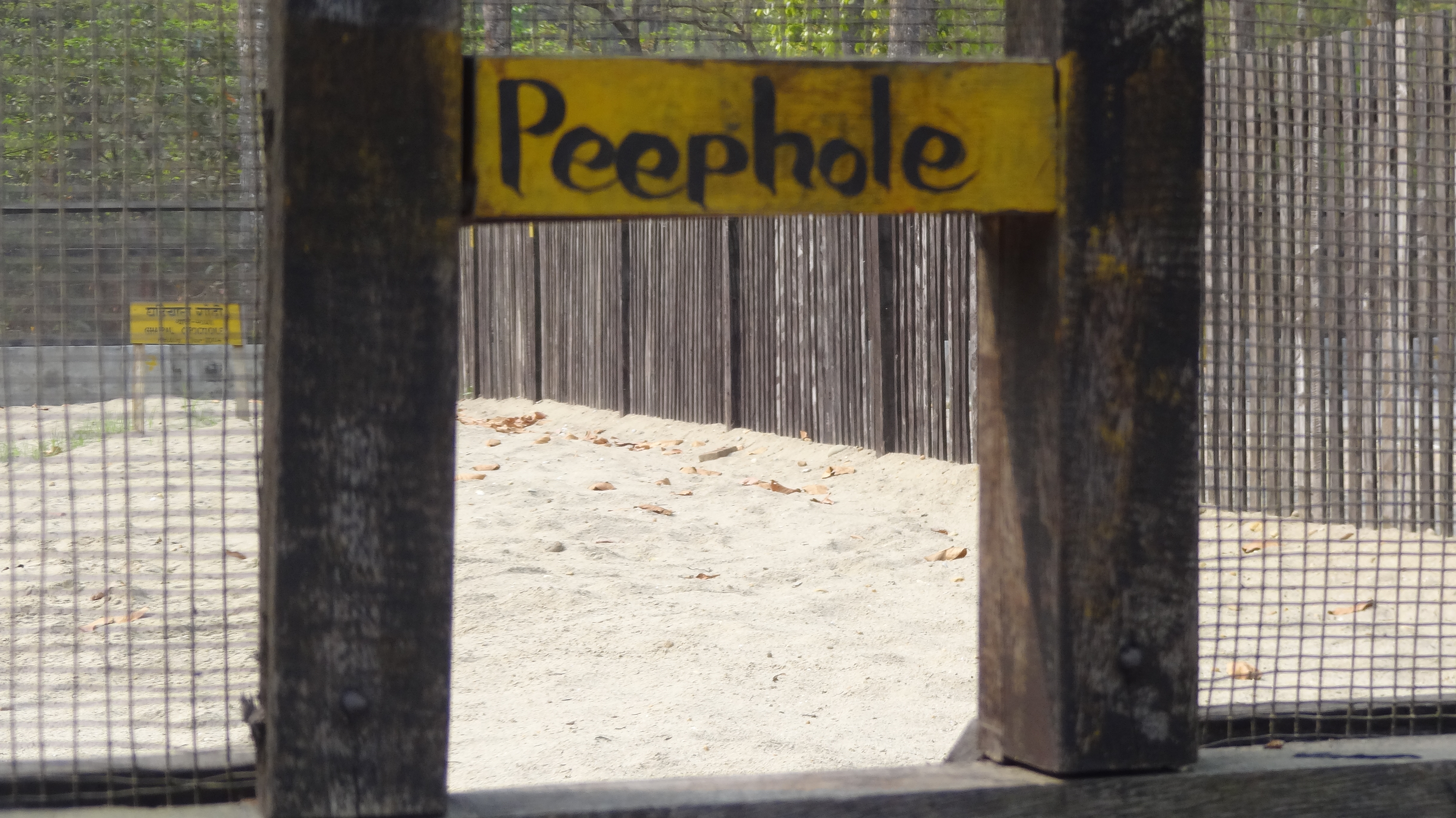
We both loved this labeled peephole.  Its supposed to allow you to see the big gharials, but they were smart enough to hang out right under the sign so you could only see their massive backs as you strained to see in.


DSC02119

This notice showed you how many gharials were in captivity at different ages.  Its hard to read from a photo, but was interesting to see close up.

gharials

I’m guessing these are 4 year olds around release age.

GE DIGITAL CAMERA

This wasn’t a lucky snap or superior camera skills by me.  He sat like that the whole time I visited – frozen with his mouth open.  In fact they all did.  If they hadn’t blinked occasionally I would have thought they were made of rubber.

Chitwan Jeep Ride


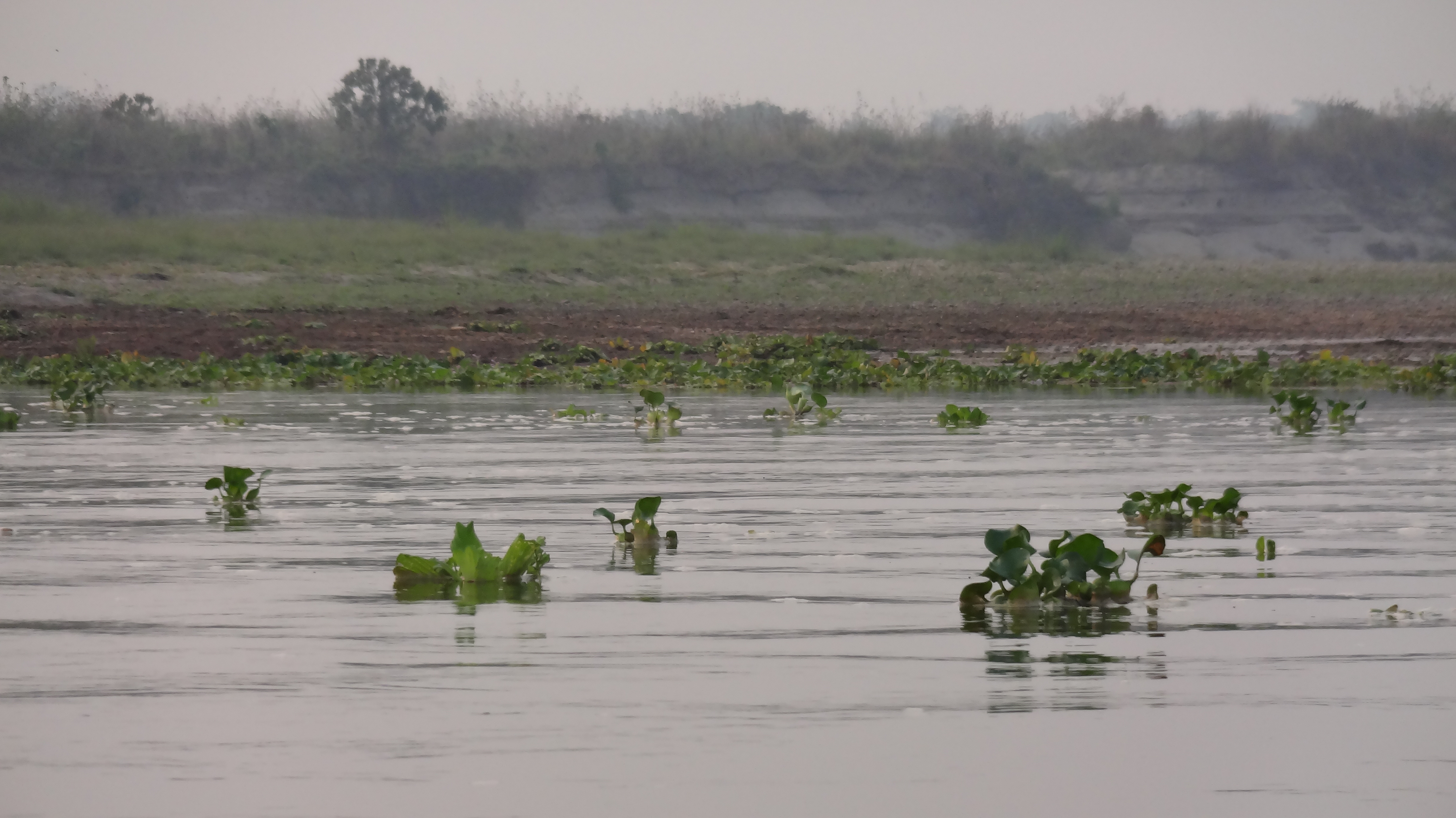
DSC01991 Our big adventure for this part of the trip was to go out into the jungle on a jeep. I’d been warned that the safari part of this was limited. There are animals there, but its not like Africa with an abundance of wildlife. So we took the adventure as a jungle trip, rather than a safari, as the experience of just being out there in nature is a special one. So first thing in the misty morning, as the first part of our adventure, we headed down to the Rapti river, which forms the boundary of Chitwan National Park. Its shallow and fast, and the only way to get across and stay dry (sort of) is by hollowed-out canoes. These are less than stable…I really thought I was going in!

DSC01997

Canoes made from hollowed out logs, ready to take us across

chitwan national park

Rapti river

chitwan national park

Heading out in the jeep

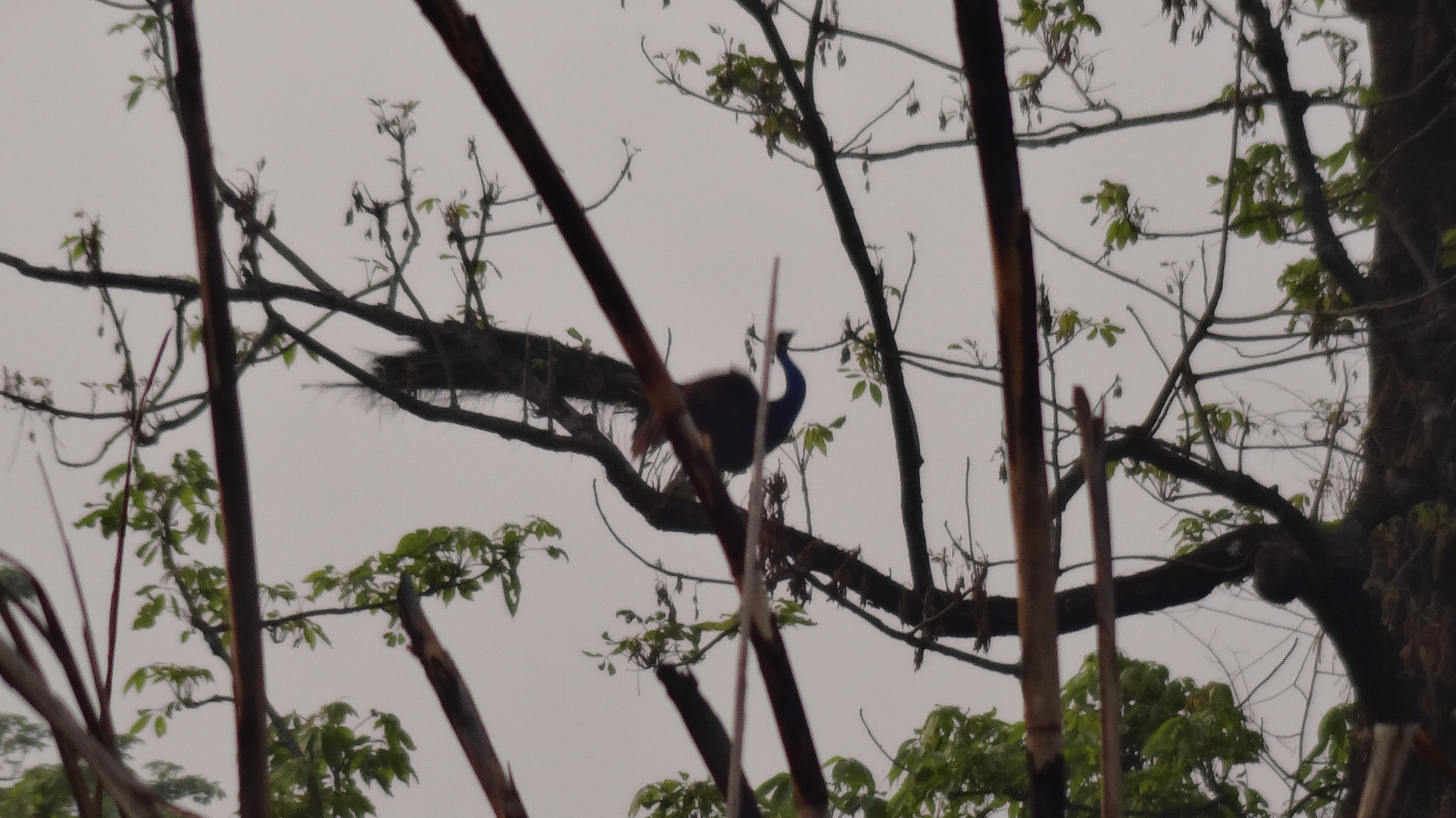
From the opposite bank,  we walked to our jeep, and then drove dirt trails into the jungle. In the early morning, the birds were really active and you could see kingfishers and all sorts of colorful and beautiful birds. It was hard to capture them on film without a fantastic camera lens, but wonderful to be there and listen to them sing anyway. When we saw the first peacock, we reached for our cameras and he flew into a tree. Here is my best shot:

DSC02017

Peacock!

Later peacocks kept showing up everywhere. It was mating season, and the males were strutting around. By the end of the day, we were saying “oh that’s just a peacock” and recognizing their cries. Hard to believe that we got used to such a spectacular bird, so they seemed common like pigeons! As it got warmer, the mist lifted and the terrain changed.  I loved how different areas of the jungle had their own feel.  My favourite was the open grasslands and the cotton silk trees: the beautiful reed-like grasses and the angular, vaguely oriental feel of the trees were stunning.  Add to this the imagination of what may be hiding in the grasses, and our eyes were set ahead, frantically scanning the view.

DSC02025

the beautiful silk cotton trees

DSC02043

elephant grass

We stopped at one of several viewing platforms to take a breakfast break. The rickety platform did give us more elevation to see around, but unfortunately no animals interrupted our meal.

DSC02050

Our rickety viewing platform. Note missing step!

termite nest

Termite nest. Apparently these make tasty treats for sloth bears. You could see claw mark-scratched holes around some of them…made by sloth bears looking for a snack.

So what did we see that day? No tigers, unfortunately. They are now considered the prime wildlife sighting because they are so rare. There’s only about 200 Bengal tigers left in the park. But, fortunately, there’s now a concerted effort to stop poaching and track the surviving tigers. Hopefully, their numbers will slowly start to increase. We saw lots of beautiful birds, countless peacocks, monkeys, deer, boars, alligators, cranes and wild ducks, a rhino and — most significantly of all — a black sloth bear. A large, male actually. They are considered the most dangerous and unpredictable of all wildlife in Chitwan. He was actually frightened by us and ran along the horizon, trying to find a way to cross our path. He finally darted across our trail, but too fast for me to catch a shot. Maybe next time.

Love, Love, Love the Baby Elephants!


First stop on our roadtrip was Chitwan, where we had visited last year over Christmas. We stayed a second time at the charming Sapana Lodge and met again with the “pregnant elephant” who now was mum to a three month old calf. He was adorable!  We went over to pet him and he was hungry for attention. He sucked my silk shirt up his nose and wrapped his trunk around my legs. He was so wonderfully goofy and eager….just a really, really big baby.  It did bring the expression “charging around like a baby elephant” into new perspective.  It was so funny to watch something so powerful be so clumsy.

baby elephant

It was so much fun to reach out and touch him. He wanted to interact as much as me

DSC01954

Susie playing with the elephant and some local kids

The keeper fed his mum some sugarcane, and he tried but just couldn’t coordinate stuffing the sticks into his mouth. They were just too big and he was too uncoordinated, but his mum loved them! Talk about a sugar high!

GE DIGITAL CAMERA

This is mum, after feasting on about 12 sticks of sugar cane. Look at that face! Bliss!

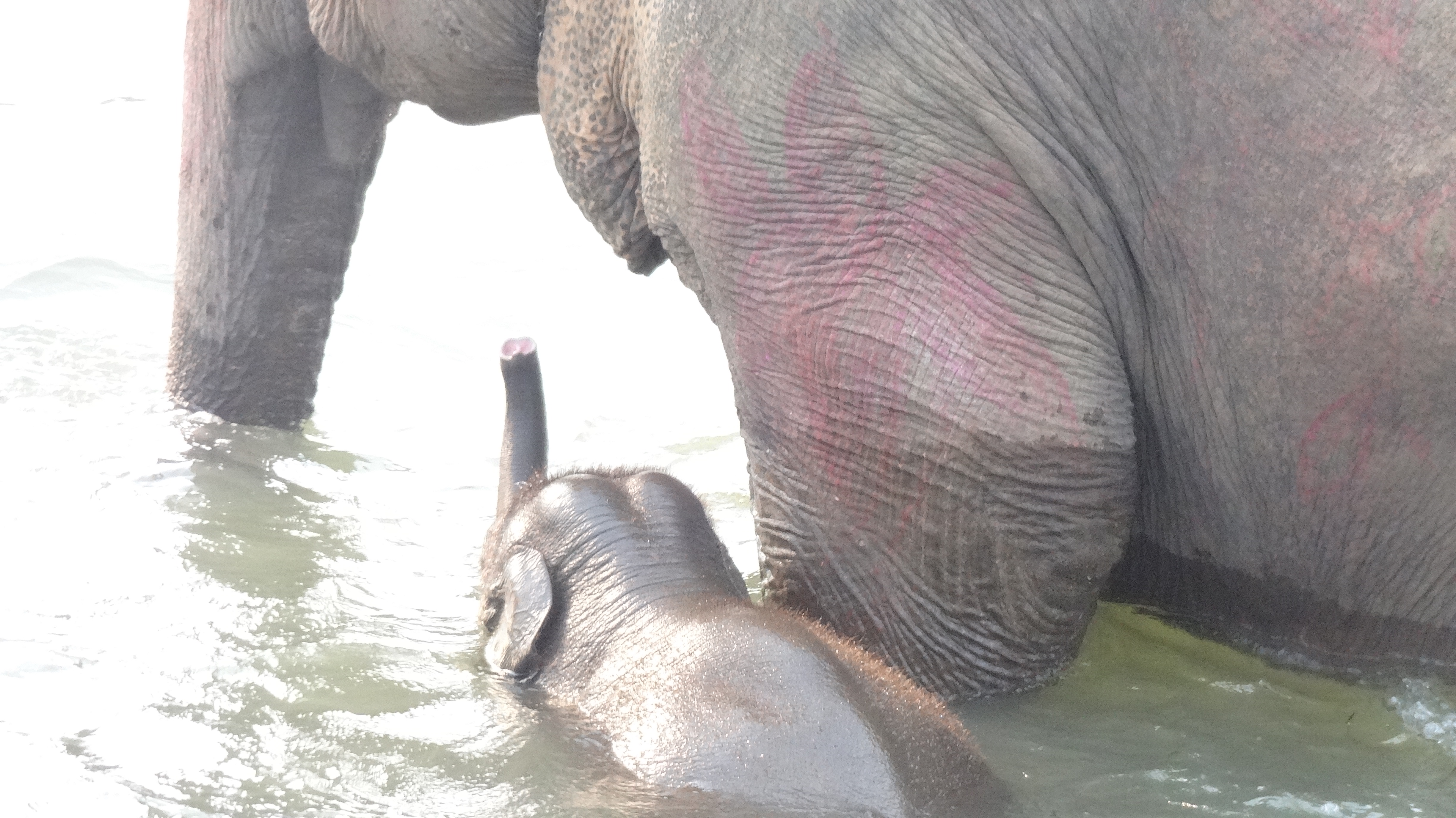
Around midday the keeper would take them both down to the river for a bath. And the little elephant swum around his mother, hiding under her belly and diving underwater to snorkel. Nearby the local Tharu kids were playing football and tossed the ball for the baby elephant to catch, but he was far more interested in the water and for us it was so much fun to watch elephant bath time!

DSC02208

Taking a bath with mom

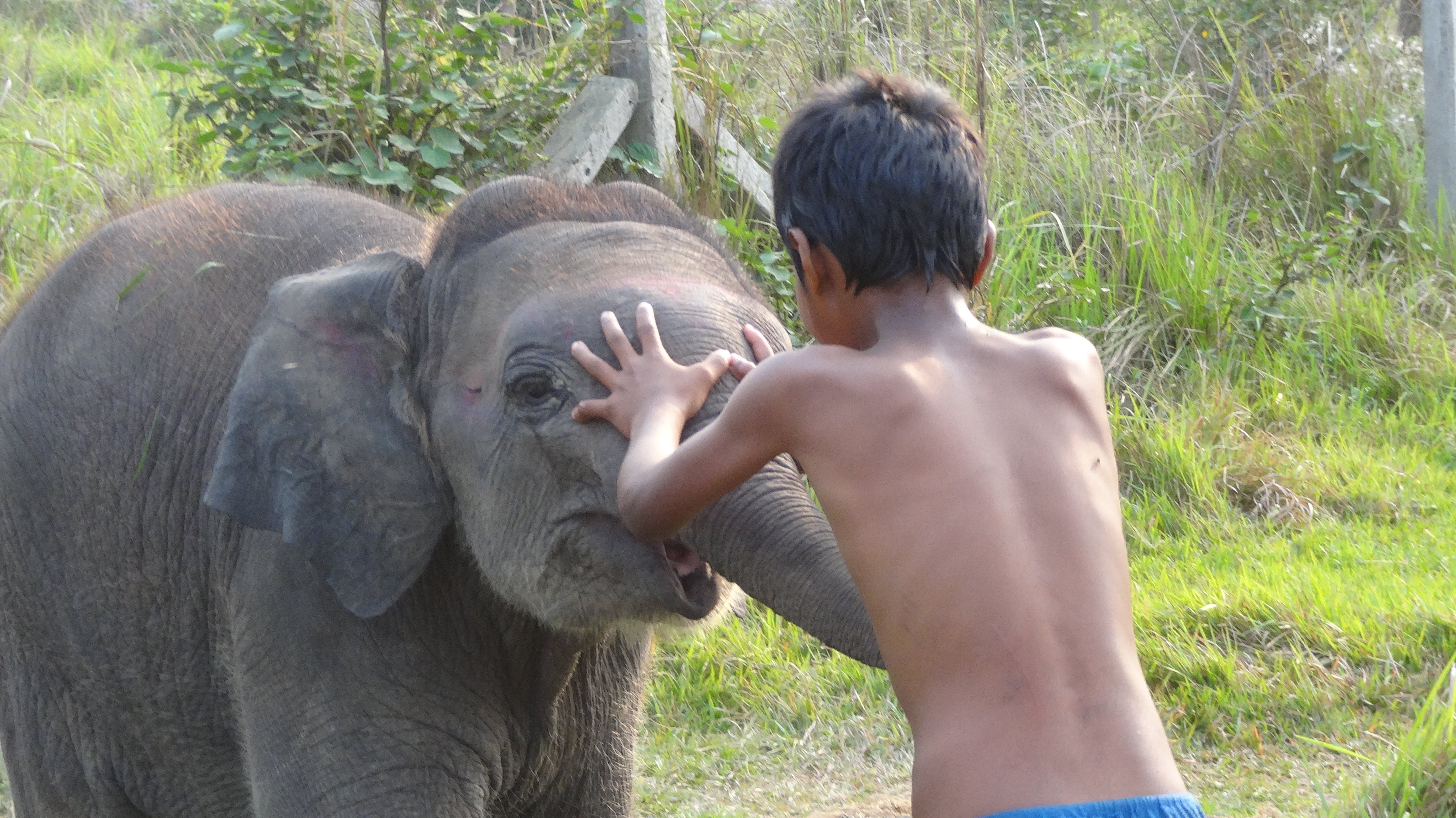
In the afternoon, the elephants were taken out to a fenced enclosure by the river where they grazed and hung out. The local kids took their soccer game out of the water when it got a little cooler and ran over to us asking for their picture to be taken. We went over to see the baby again, and he came running over to a gap in the fence, straight to my outstretched hand. He wanted to play and out he came! I guess baby elephants play with one another head-to-head and tousle with their trunks. He tried that with me and very nearly knocked me over! He sneezed on Susie’s clean white shorts, which were now covered in sooty elephant snot. (We think he’d been nosing around in one of the fire pits.) Then he got really frisky and tried to play-charge me. I turned around to try and use my back weight to stop me from falling over. I was laughing but also a little afraid that he trample me as he charged at my butt and pushed me around like a steam engine.   Susie was laughing but also a little cautious, so getting this on camera was not an option.  But we did manage to get some pictures of the kids playing with him:

DSC02138

This little guy used a different technique to me. When the baby elephant wanted to play and started pushing….he pushed back!

DSC02177

It was a wonderful opportunity. If I’m lucky enough to come back again in a few months he will be bigger and probably too dangerous to play with- if indeed he still wants to play at all.

DSC02247

At the end of the day- after bathing, grazing and games – its time to walk back home with mum