
Nepali plastic surgeon, maybe?!
http://ceenphotography.com/2015/03/15/cees-odd-ball-photo-challenge-2015-week-11/
Nepali plastic surgeon, maybe?!
http://ceenphotography.com/2015/03/15/cees-odd-ball-photo-challenge-2015-week-11/
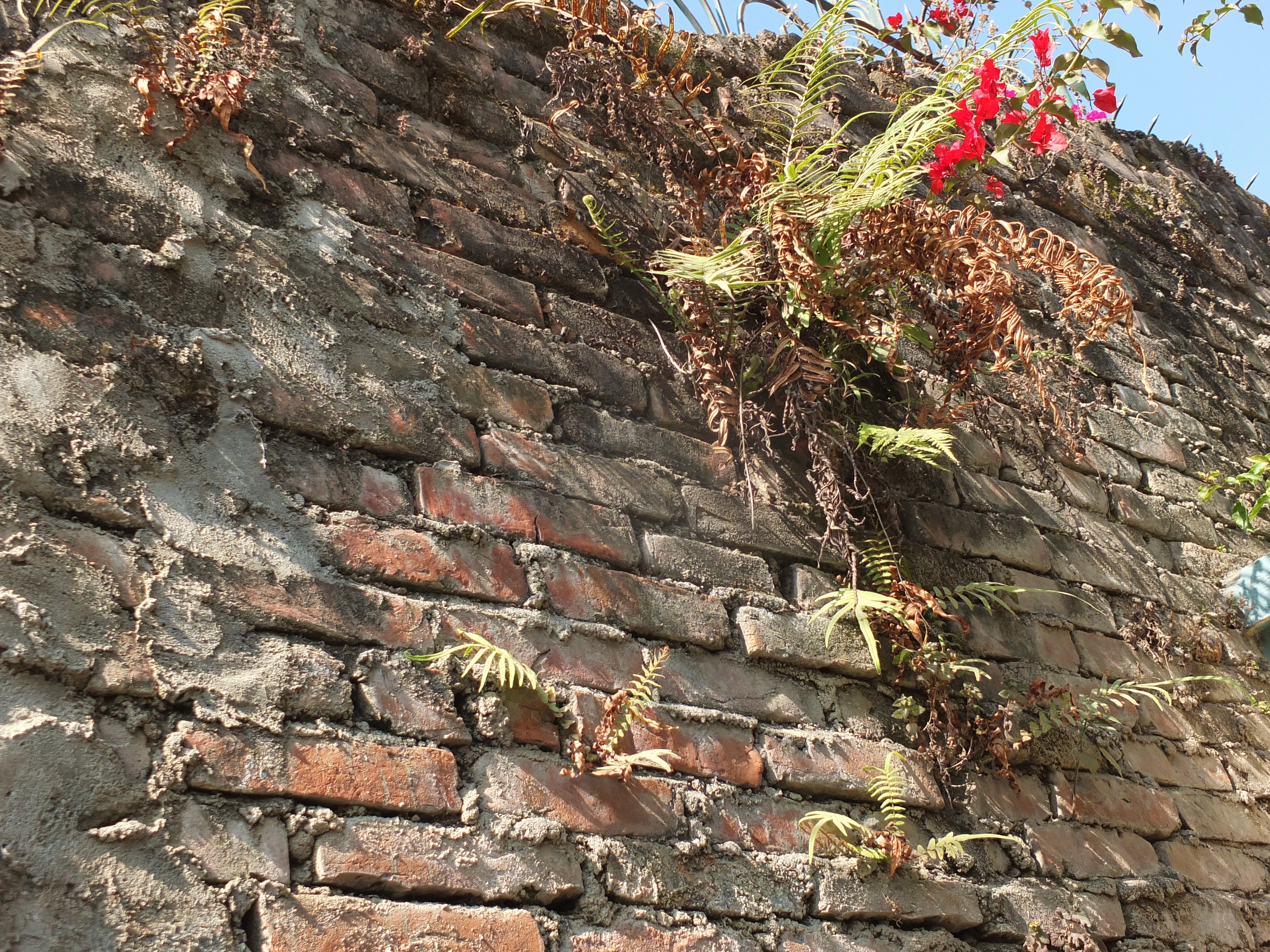
I love how these challenges help me out sometimes. I’ve been subconsciously collecting photos of brick walls: Half crumbled or moss covered or sprayed with slogans. Brick walls are everywhere in Kathmandu. I wasn’t quite sure what I was going to do with them, but I was fascinated by the variety of textures and the whole mini eco-systems they come to support. Anything made out of brick looks so much nicer than the modern alternatives of concrete, and cold, blue-tinted glass. In the 21st century, Kathmandu is scattered with a mix of the old and the new.
Traditional Nepali bricks are cut by hand, dried in the sun and then low-fired in tall, chimney-like kilns. Ironically, the traditional brick is at odds with the modern day. The giant construction boom has led to more and more kilns pumping out increasing volumes of black, sooty air. This traditional craft is now make a significant contribution to the appalling air quality in this city. Once green valleys are now hosting belching kilns and rice paddies now longer produce rice, but are used as platforms to air dry the bricks. Its a pretty disturbing sight.
The quality of the bricks is pretty low. Although they look quaint when they host moss or grass sprouting from the cracks, they don’t last long if they aren’t maintained. Very often brick walls aren’t rendered well, leaving them with cracks vulnerable to invasive roots or even unstable enough to wobble around rumbling traffic.
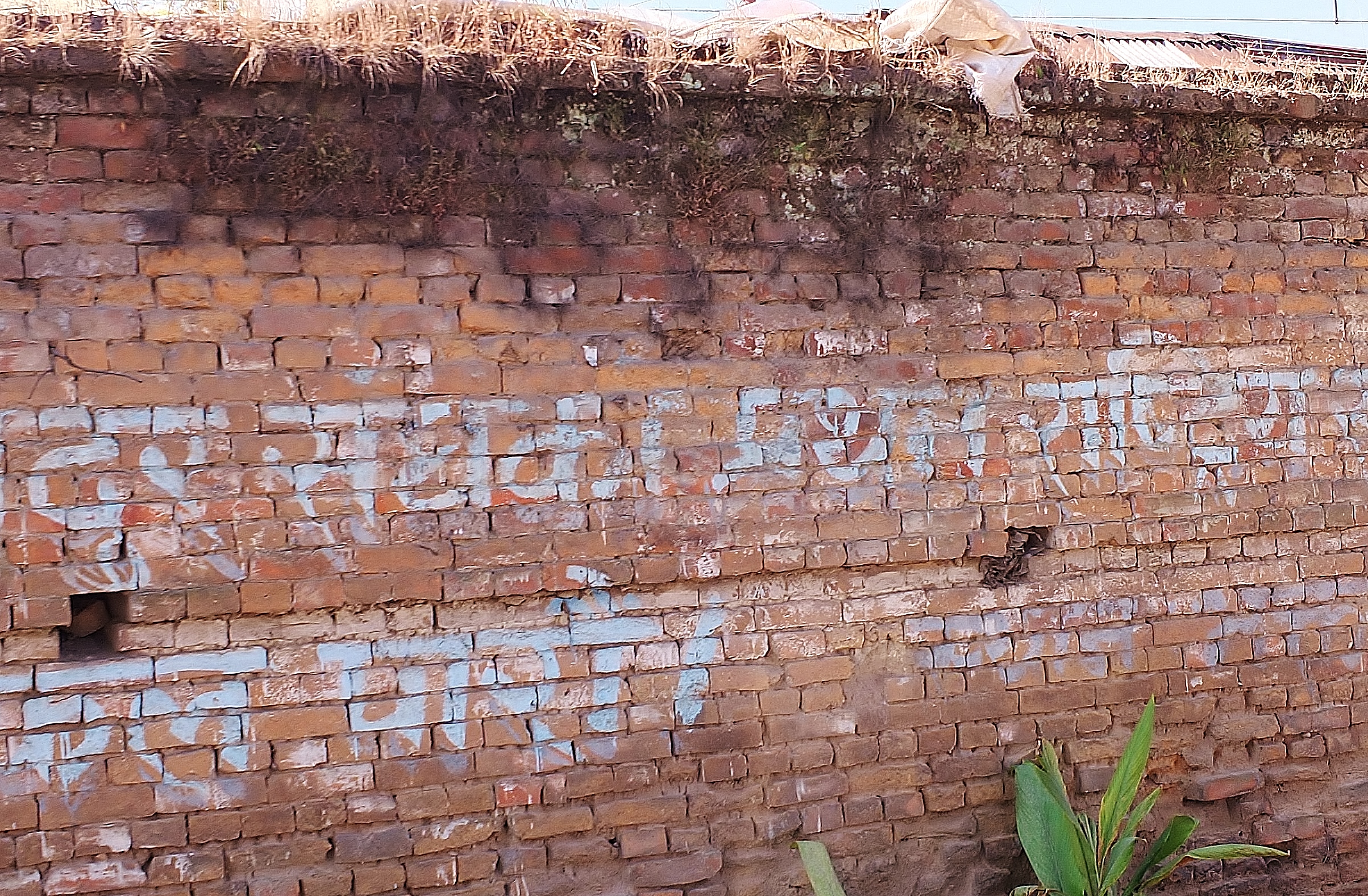
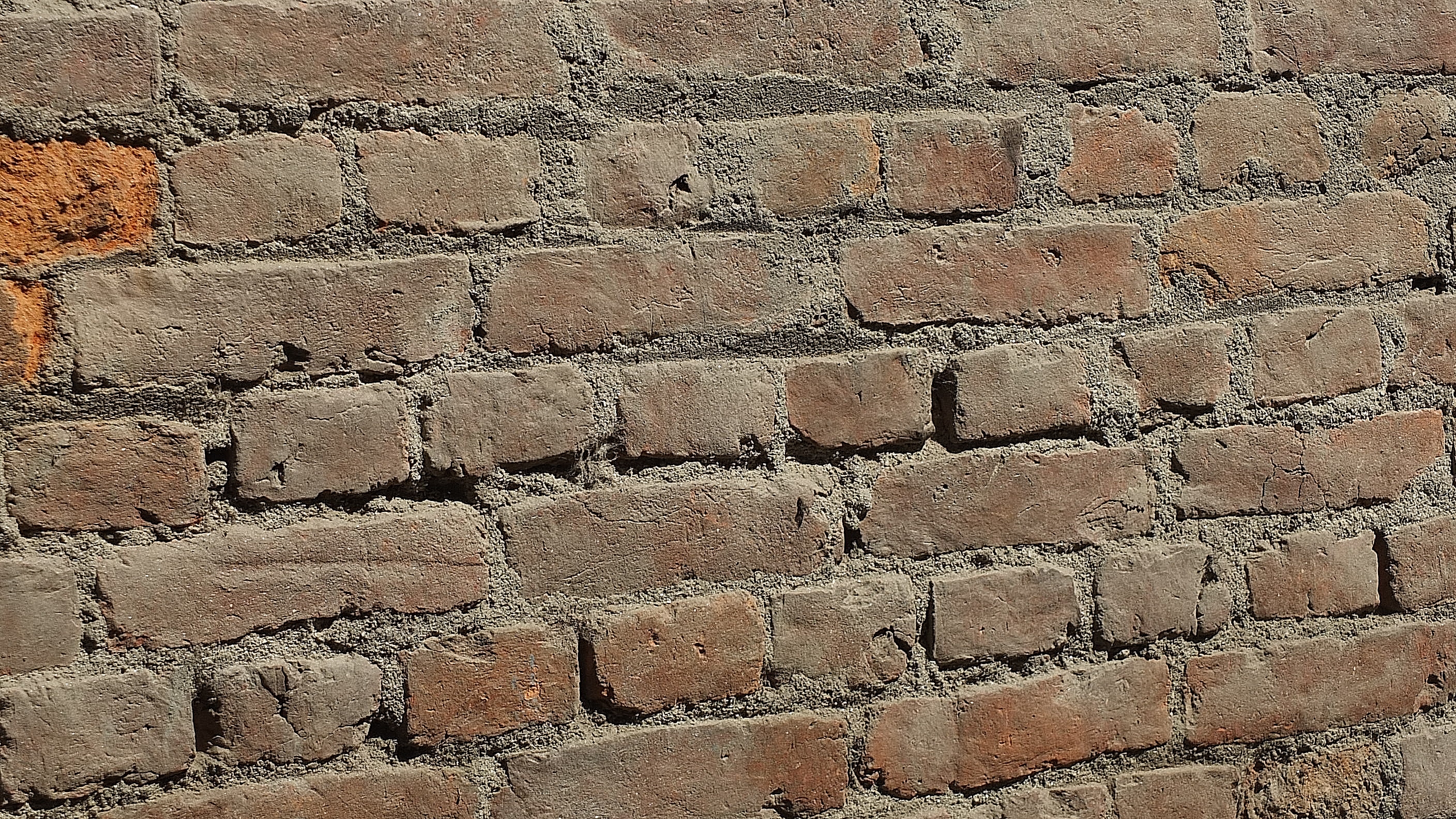
Kathmandu wouldn’t be the same place without it brick walls. Everything I love about the architecture of this city includes carved stone and wood, and the traditional red brick. Yet, environmentally, bricks are a disaster. Closely followed, unfortunately, by the environmental disaster that is concrete construction, with quarries and mines stealing stones and gravel from river beds, changing the course of rivers and destroying their health. Where is sustainable development in Nepal?
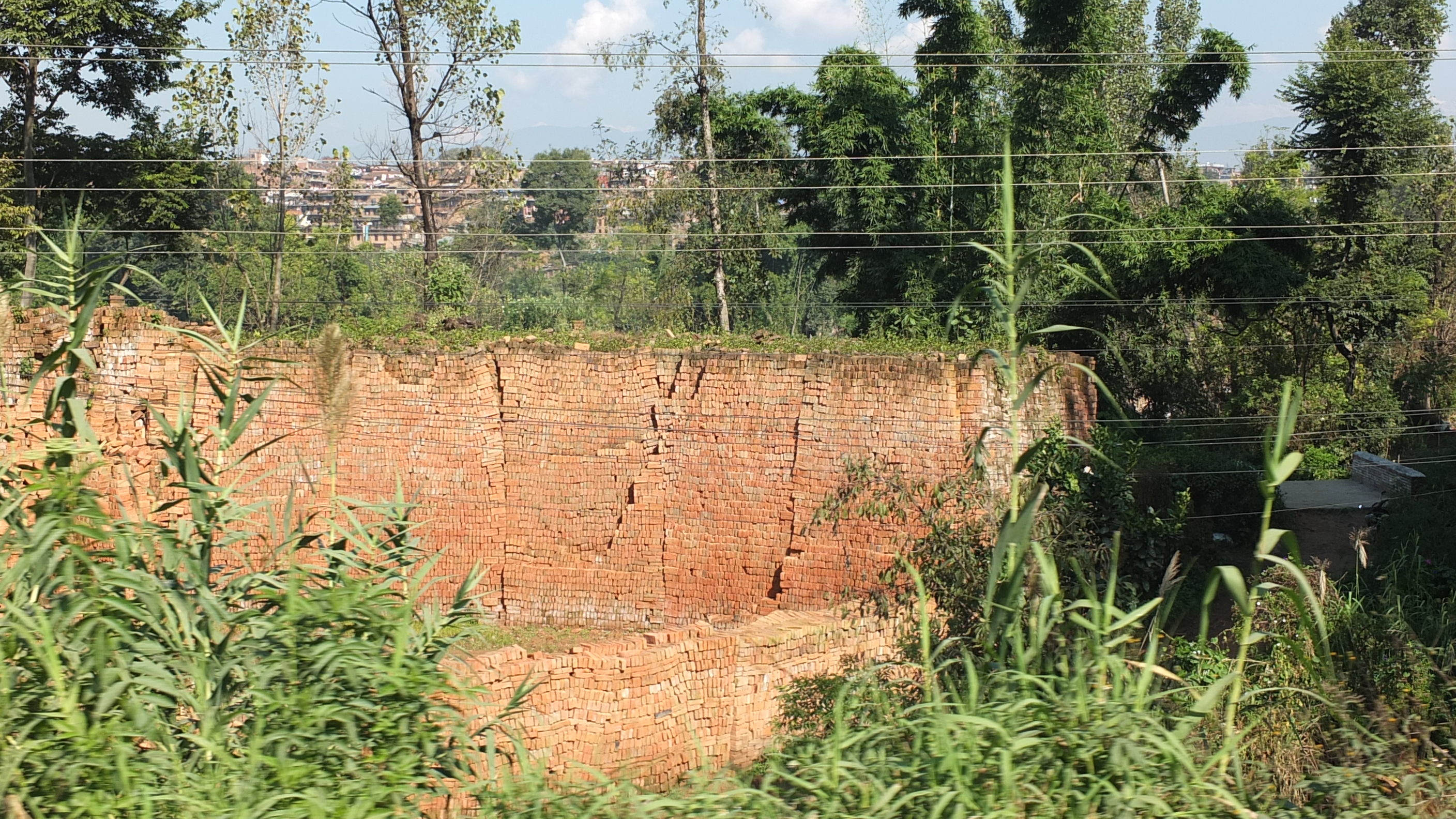
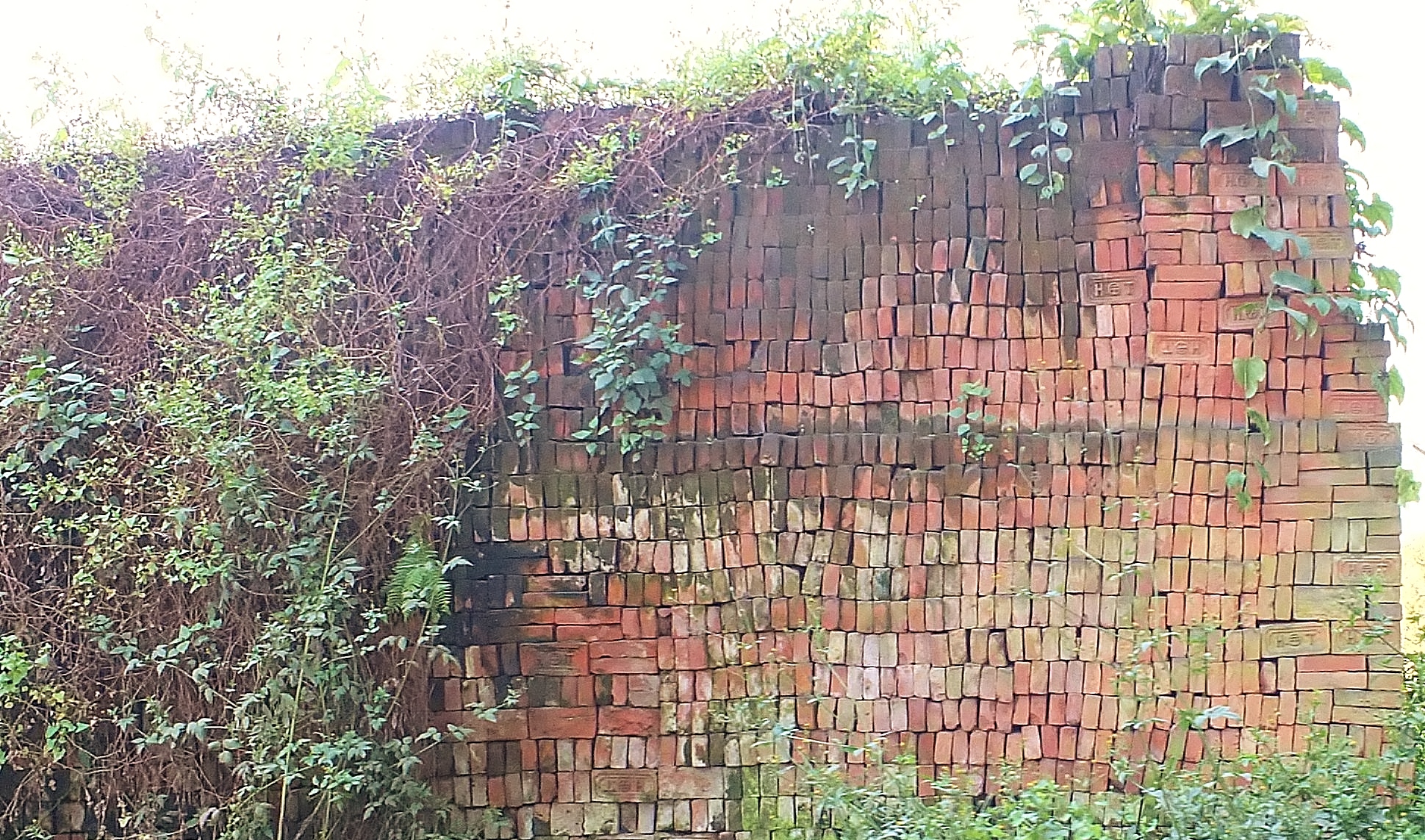
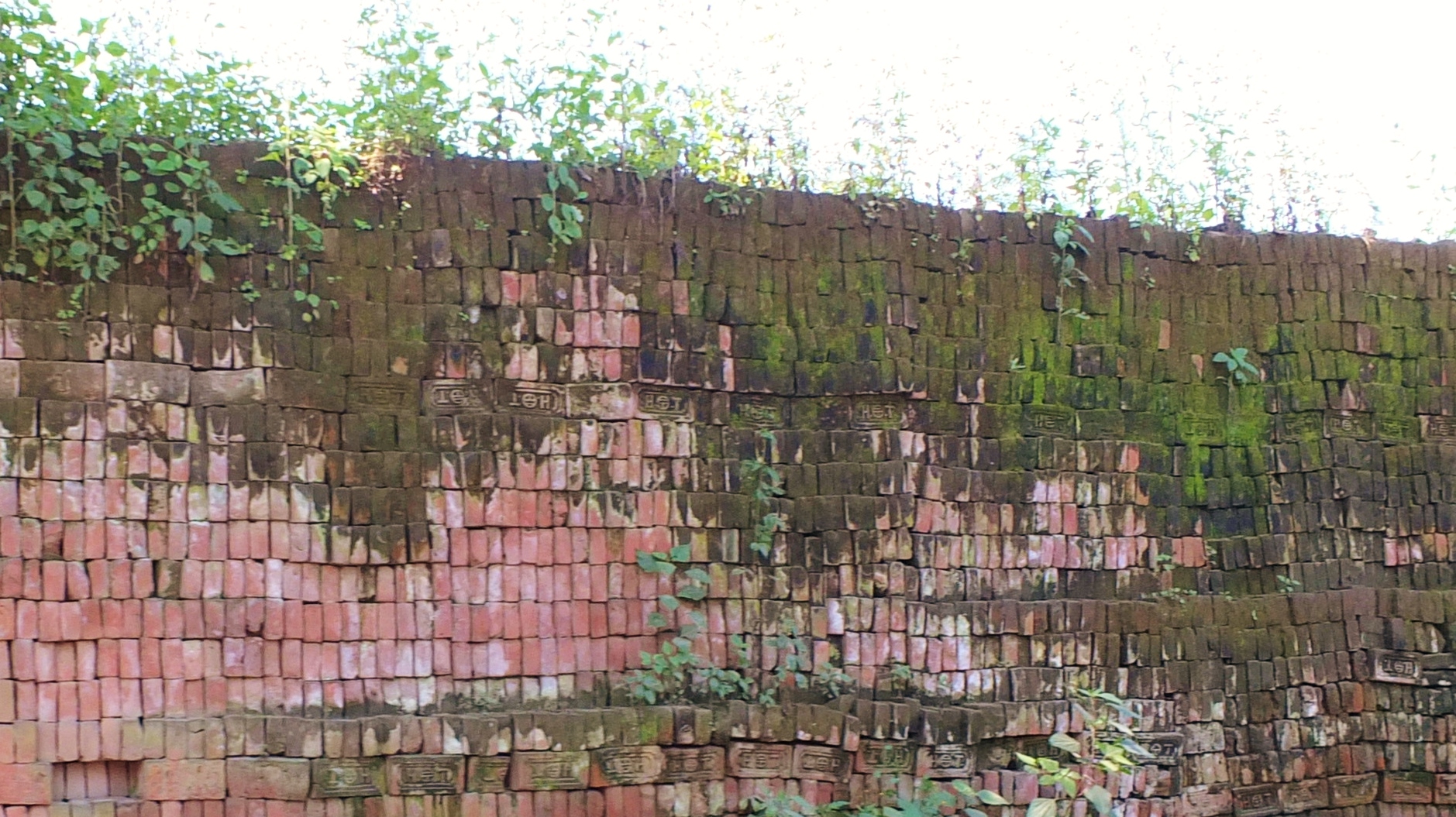
Lastly, a tangent thought: When is a brick wall, not a brick wall? When it is a pile of bricks waiting to be sold. Here are some brick “walls” that have been sitting for way too long, waiting for a buyer….constructed, I think, by someone a little too enthusiastic about the brick market or his talent to sell them.

A fish’s view of the rain… Raindrops viewed from underwater as they fall down onto the surface.
This week’s challenge reminded me on the rainy season in the Philippines. Here in Nepal, we have a rainy season here which is not without its dangers like mudslides and flooding, but Nepal’s downpours don’t really compare to the tropics. Heavy rain, raging tropical storms, hurricanes…the Philippines has it all.
Jamaica has a rainy season, too. I wonder how our next post will compare?
Watching Chitwan river life from my favourite chair on the bank by a bridge….
I just returned from an unseasonably cold visit to Tansen, Palpa, a relatively remote town in the Himalyan hills. When I say cold, I don’t mean freezing, sub-zero temperatures like the US East Coast is experiencing right now. But a shivery, bone-chilling cold in a concrete hotel with very little heating. Bedtime was a frigid affair, but with a hoodie, thick socks and a hot water bottle I slept well even though I could see my breath in the room. “Cold” can be relative.
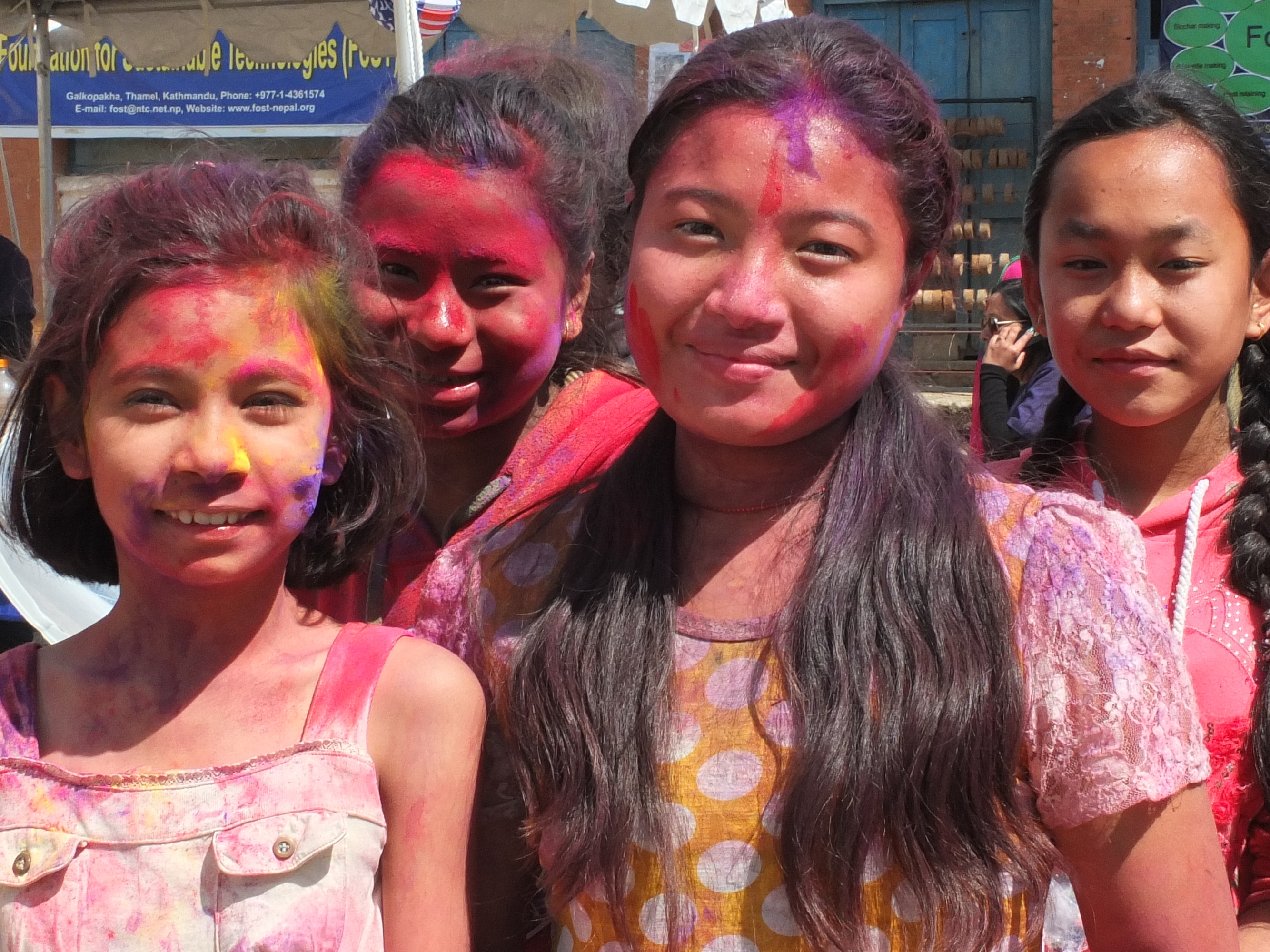
However, yesterday afternoon the temperatures were back into the high seventies and the sun shone. Our work event welcomed crowds of students and local children, many of whom were splashed with colour in celebration of Holi, the annual Hindu celebration known as the festival of colour. They very kindly didn’t spray me, and made a very colourful audience for our Hip Hop dancers, the highlight of my morning. Here’s a little Hip Hop and Holi…an unlikely combination….but one that worked pretty well!

Whoa!
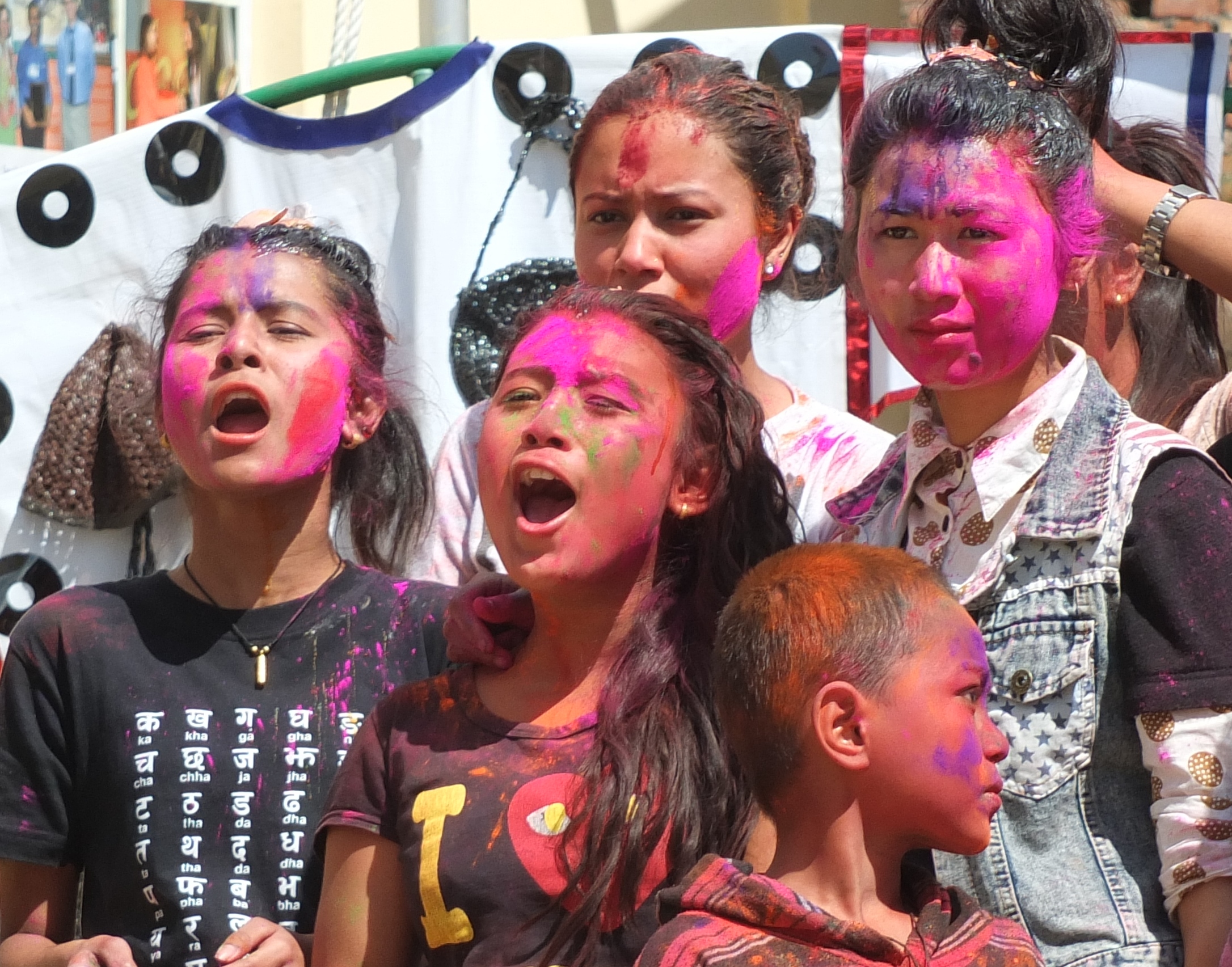
Colourful faces of Holi

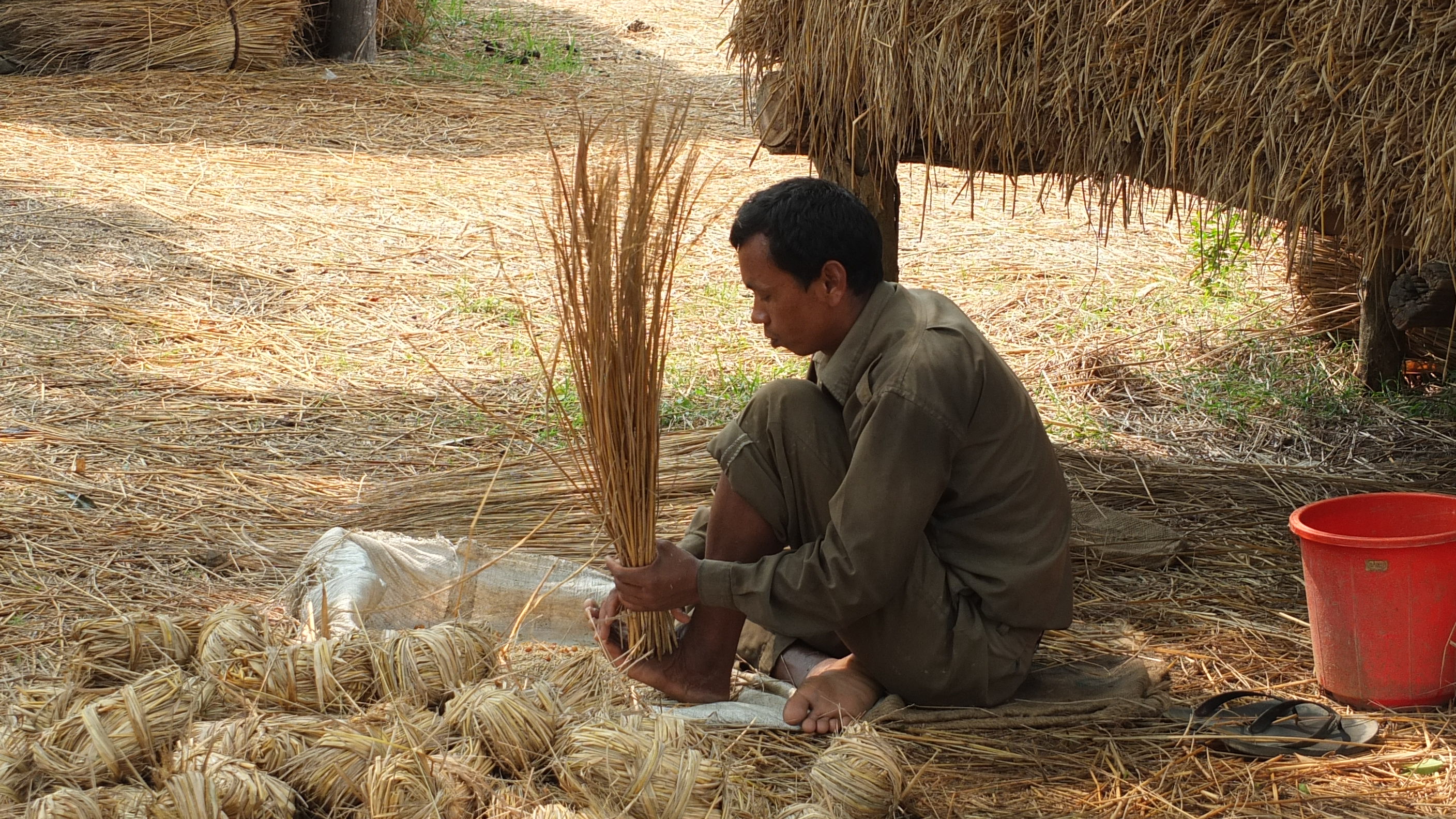
Nepali elephants enjoy elephant treats as a reward now and then. Although they are called “elephant candy” they are in fact healthy bundles of chickpeas, rices and other grains wrapped in handy hay bundles that elephants can just pop in their mouths….which they do as often as possible. The sneaky ones tear off the straw, spit it out and just eat the goodies inside…just like kids who only eat the cream filling out of oreos ;o)


The Daily Post: Weekly Photo Challenge: Reward
A Blog about Music and Popular Culture
Balkans, Travel and Beyond!
Observations on food, travel, history & tradition
Teaching the art of composition for photography.
The Art and Craft of Blogging
The Art and Craft of Blogging
About my daily thoughts and life here in Lisbon
“One Journey Leads to Another”
Michael W. Mosley
3 kids,1 dog and way too many moves
Peace Corps in Jamaica
Travel photos, memoirs & letters home...from anywhere in the world
She sails the seven seas in search of FREEDOM
Cries from Jamaica
Thoughts on kayaking, science, and life


 Wright Outta Nowhere