Weekly Photo Challenge: Gone But Not Forgotten


DSC01377

DSC01346

Buddhist prayer flags are a common sight here, strung dramatically from temples, or from tree to tree.  A way of promoting peace, the wind blows over the prayers printed on the flags and spreads their message through the air, purifying it.  The flags become permanent fixtures of the environment, aging just as with all life, and new flags go up alongside, symbolizing change and renewal.  The old ones stay up, they never come down until they rot to the ground.  Even then, they cling to fences or lay wherever the wind blows them.  The visitor may leave, but his prayers remain blowing on the breeze.  Gone but not forgotten.

Travel Theme: Above Manila and Kathmandu


Every time I fly, its so tempting to take pictures out of the aircraft window, even though I know those pictures won’t be very good. I know I’m not alone as I see so many others whip out their phones and snap away through the glass. I guess we are just trying in some way to capture the extraordinary perspective that flying gives us, so my photo folders are full of not-so-great pictures of life from the air that never get used, but I can’t quite bring myself to delete them either. This challenge of “Above” inspired me to try a post on just this theme to see if, as a collection, the aircraft snaps take on a more interesting story of their own. Let’s see how it goes:

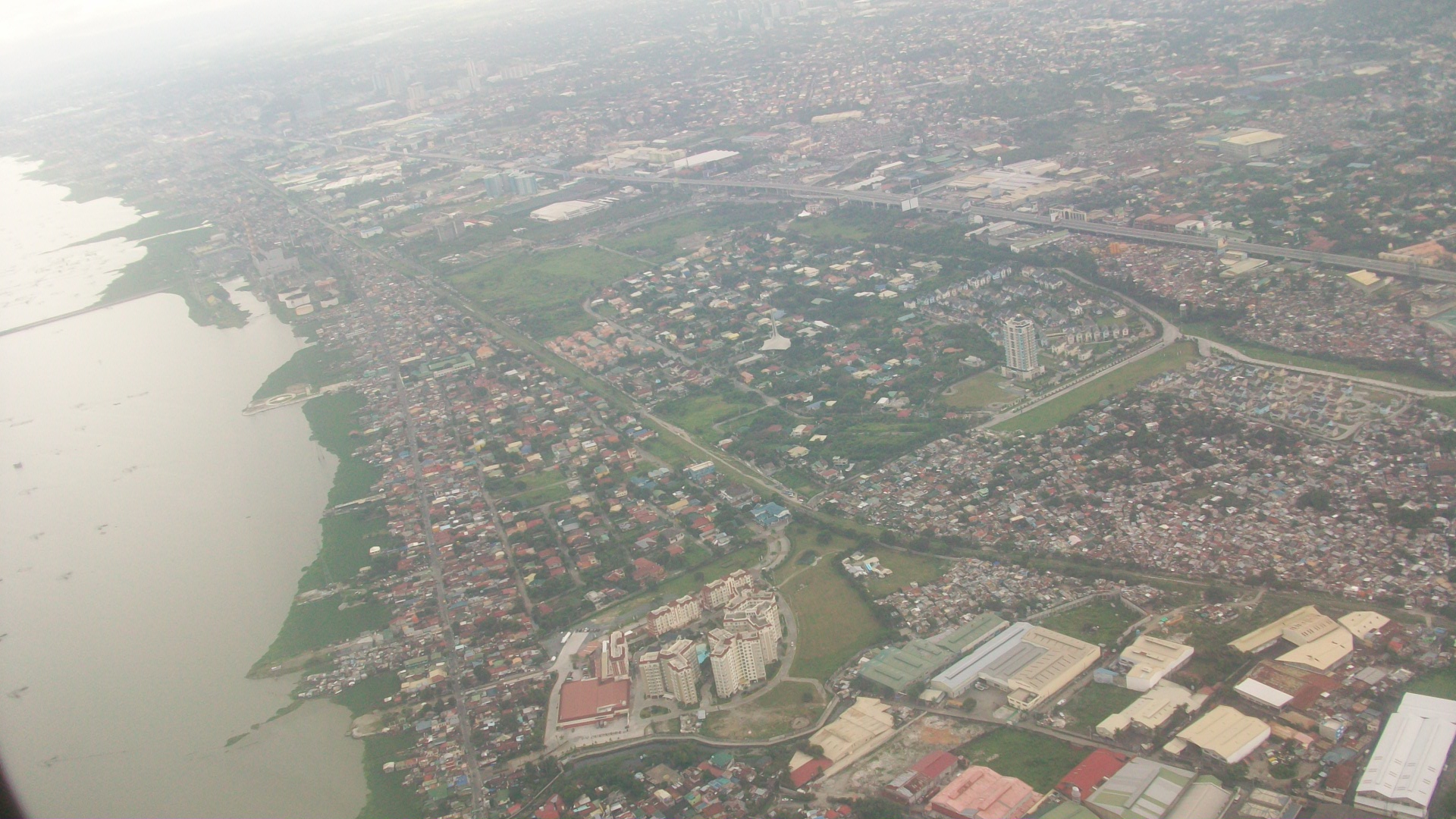
Aerial view of Manila

Manila from the sky. Its such a huge sprawling city. Because we hated to get stuck in Manila traffic, we kept driving around the city to a minimum. The aerial shots always gave me a reminder of how massive the city really was.

101_1565

After flying over the sprawl of Manila for quite some time, you come Manila Bay.  It is an island after all.

Manila fish farms

Offshore are the fish farms that feed the 16 million+ of the city. They are huge and sprawling too, and quite a different reality from the romantic notion of freshly caught island fish.

DSC00115

Manila Bay fish farms

Hundreds and hundreds of fish farms

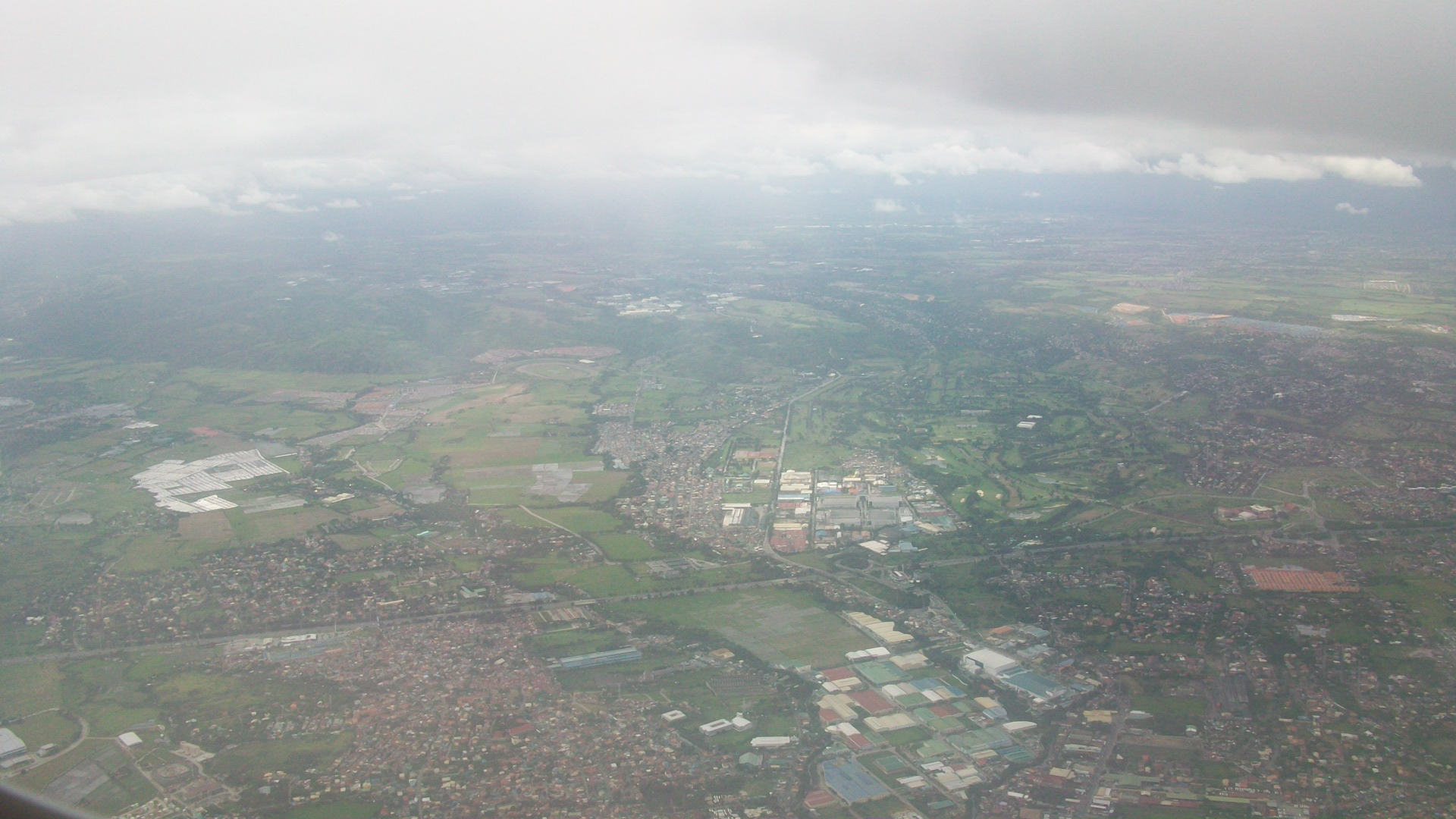
Aerial view of Kathmandu

Kathmandu from the air. Unlike Manila, the city is quite small. There’s very little development once you get outside the ring road. (This is changing fast though.) The city appears as a patch of red — from all the brick construction – surrounded by green and smaller cities close by. Eventually, of course, they will all merge.
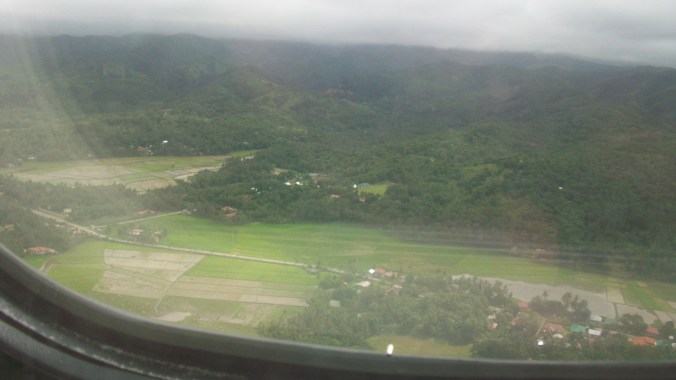
 

Aerial view of Kathmandu

Just a short way outside of Kathmandu air space, flying over trees and hills, before we approach the mountainous areas.

View of Annapurnas

And of course, there’s the mountains. The first time I saw this kind of view my nose was pinned to the glass. After flying it 20+ times, its still magnificent, but I’m not so disappointed now if its cloudy.


Aerial view of Kathmandu valley

I like this shot because it really shows how Kathmandu is in a valley. Taken just as the plane lifted from the ground.

Aerial view of Kathmandu valley

The scattered outreaches of the Kathmandu valley. One day — not very far away — all the green rice fields will be gone, and the sprawl will be continuous, just like Manila

Weekly Photo Challenge: Angular


How do you depict “angular” in a country where straight lines aren’t the norm?  Where modern buildings are more higgledy-piggledy than angular?  Here urbanization is not planned or designed so much.  Where are the straight lines?

It stumped me for a bit and the most obvious came to mind…angles indeed!

DSC01533


Not to mention the angular traditional architecture:

DSC01389


And even nature’s little creatures can throw up some interesting artistic angles too:

DSCF7480

Weekly Photo Challenge: Achievement


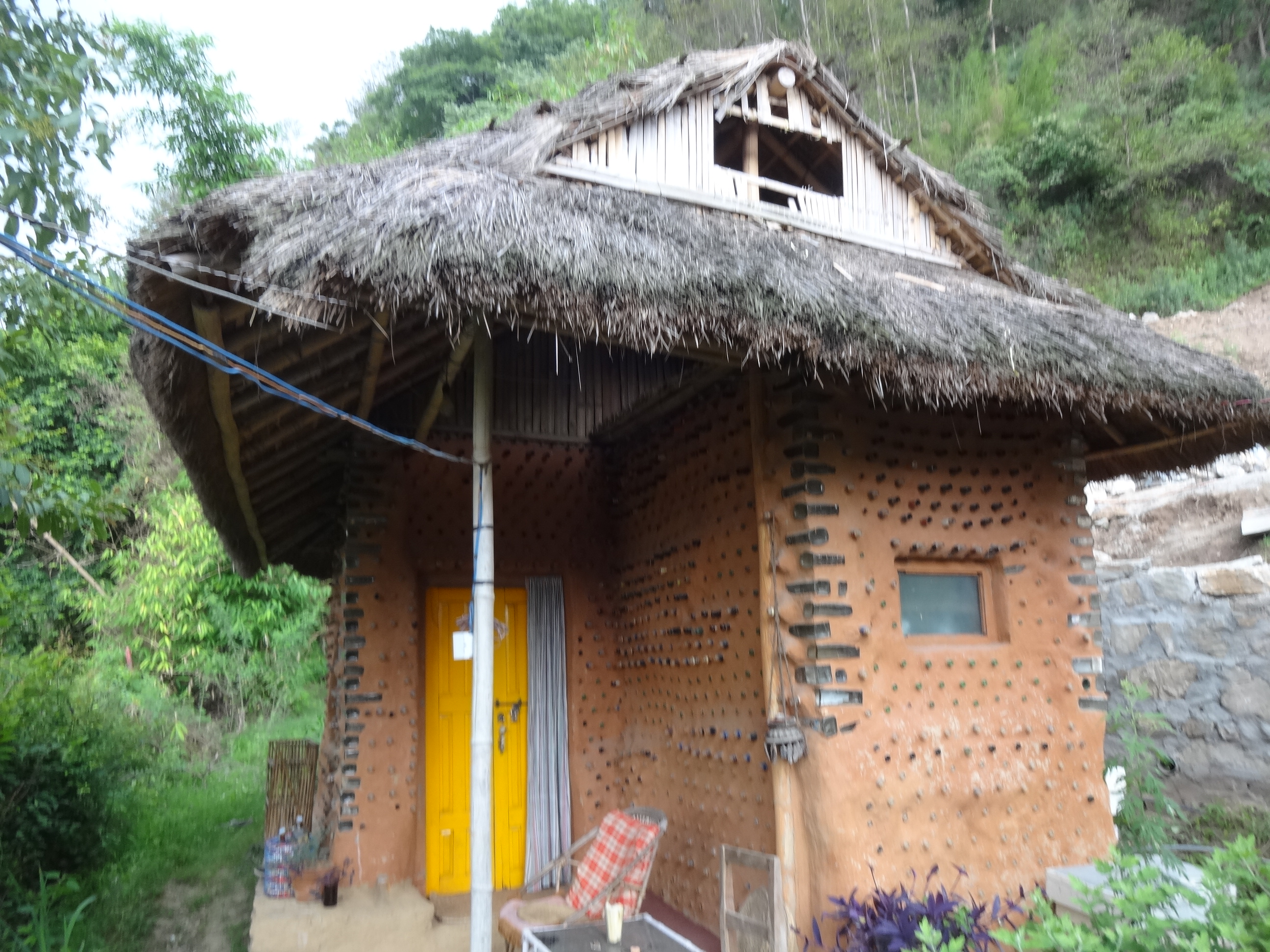
The Kevin Rohan Foundation, here in the Kathmandu Valley, does amazing things for the local community. I visited them recently and watched as the final stages of their community-built town hall was coming together. This massive structure was built by locals from bricks they had fired and, amazingly, the walls incorporate recycled bottles to give them strength and let in light. Bottle houses are strong, cheap to build and eco-friendly.  The whole community is a fantastic example of what can be achieved with team work, commitment and the clever use of what you have.

DSC02626

The community townhall coming together. The letters you can see are the initials from the Foundation’s name spelled in bottles.   At night – if  there is power- the name will be lit up through the glass!

DSC02617

A bottle wall up close.


DSC02619

The little version of a “bottle house”  Here the bottles are reversed with the necks facing out.  Its less attractive that the bottle bases but the light inside the house is fantastic!


DSC02622

Sleeping babes! Even the local nursery building is constructed from bottles.

This post participated in the Weekly Photo Challenge: Achievement.


Travel Theme: Arches


Archways are often grand statements or a supporting part of intricate architecture.  For my entry in this week’s travel theme: arches, I decided to take a look at a different kind of arch that I’ve seen around quite a lot.  I’ve noticed a surprising similarity between towns in the Philippines (barangays) and some districts in the Nepal. There is often some kind of archway as you enter the town. Its a welcome to visitors and an announcement of where you are.  These arches are grand in their own way I suppose.  Here are a few interesting examples:

barangay

A typical town archway in the Philippines

Entrance to Namobuddha stupa

Is it really an arch if it’s not curved? This square “archway” is at the entrance of Namobuddha stupa, outside of Kathmandu

DSC00626

This ornately painted archway is at the entrance way into Sankhu, a town in the eastern part of the Kathmandu valley

Entrance to Woolwich market

And finally, when I was walking on the Thames Path in London, I noticed this archway over the entrance to Woolwich Market. It reminded me of the Philippines. The sign dates Woolwich market back to the 1600s. I wonder if signed archways used to be a thing in the UK back then too?

Weekly Photo Challenge: Descent


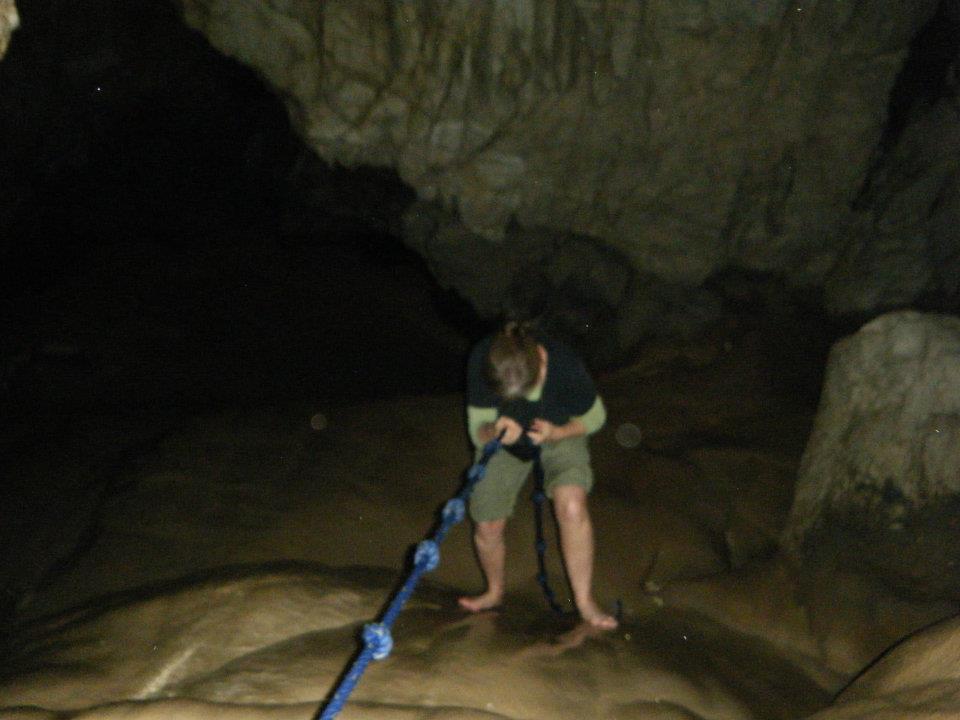
Rappelling down a boulder with a rope.  The only caving "convenience" on offer during the whole caving experience.

Rappelling down a boulder with a rope. The only caving “convenience” on offer during the whole caving experience.

In the northern part of Luzon island in the Philippines is Sagada in the Mountain province. The town attracts a small amount of adventure tourism, including caving.   I had never done anything like it before. We were inside an underground cave for approximately 2 hours and descended about 200 metres.  What made this cave experience unlike any other was that it was left completely natural inside. No gravel path ways, signs, concrete steps or taped music.  And no lighting….save a kerosene lamp.  Just slippery limestone and marble pathways that needed bare feet to travel safely, lots of bats, even more bat shit, and the darkness!  Truly a descent into the unknown.  For the full story see my earlier post, Caving in Sagada.


See other entries for this weeks photo challenge here.