Smells like Home


Sometimes I think that if you blindfolded me and put me in a Star Trek transporter to an unknown natural destination, deprived of giveaway clues like language,  I could still tell which country I was in my the smells and sights of nature around me. Certain smells like mandarin oranges remind me of childhood Christmases, smells can be so evocative or time and space and memory.

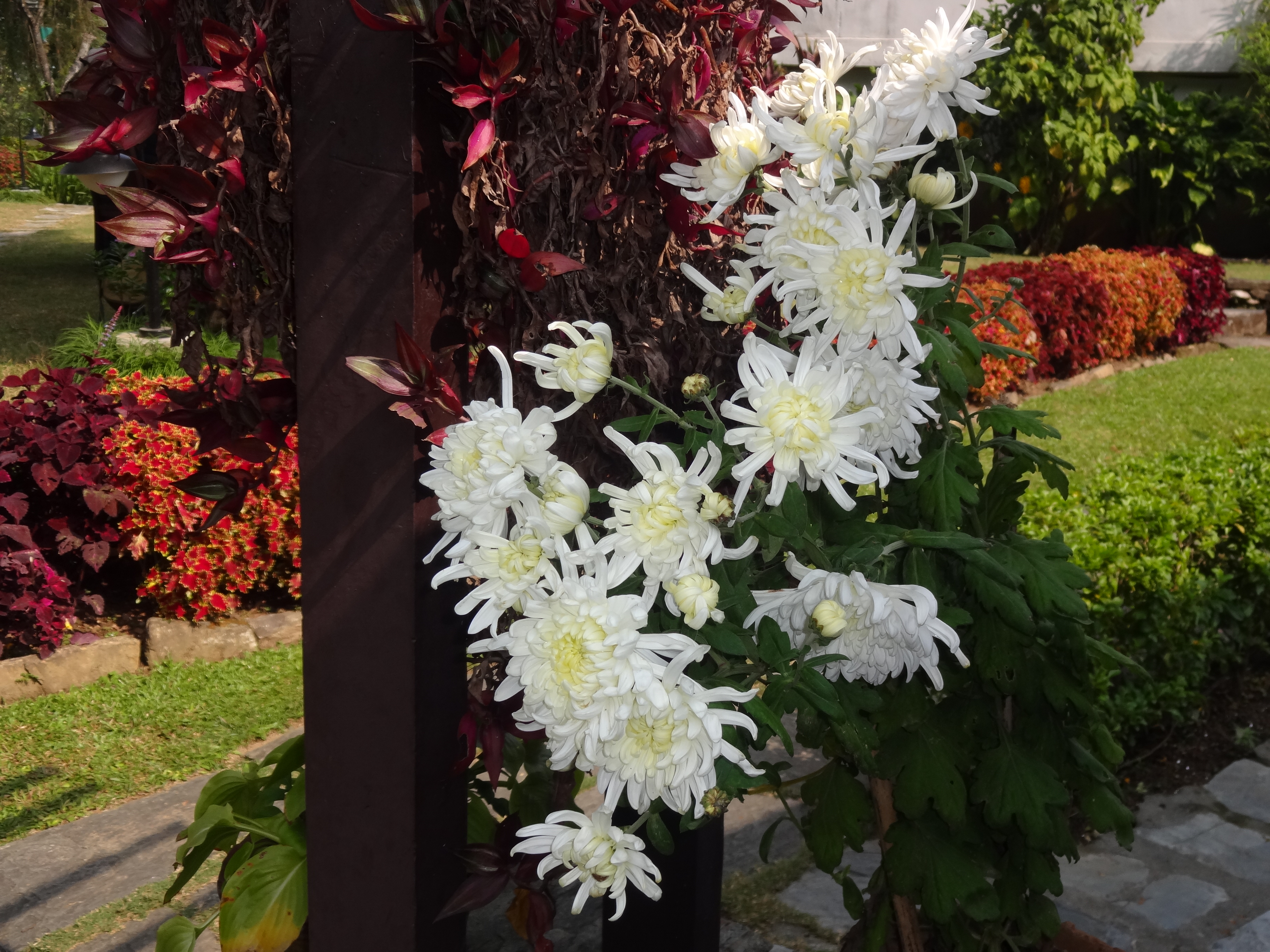
For me the smell of newly cut grass, marigolds, annual flowerbeds and roses are the England I knew when I was growing up.  Here is Nepal all of these are everywhere, looking very English and completely foreign all at the same time as they mix in with some very Nepali surroundings.

In fact if was dropped blindfolded in a Nepali garden, I might have a really hard time figuring out where I was at all.  Its all here…everything…from so many different places I have lived:

DSC00784

Salvias…very English

DSC00789

Zinnias….very English

DSC00790

Busy lizzies and marigolds…to name a few..

And yet the Himalayas and Hertfordshire are not the only mix I see. Let me explain about the Greek contingent going here too:

DSC00787

There’s no shortage of cacti like this classic paddle cactus that’s so common growing wild on the Greek mountainsides

DSC00679

…And there’s plenty of large trumpet-like flowers which I’ve seen all over the Med…but I don’t know their name…

DSC00791

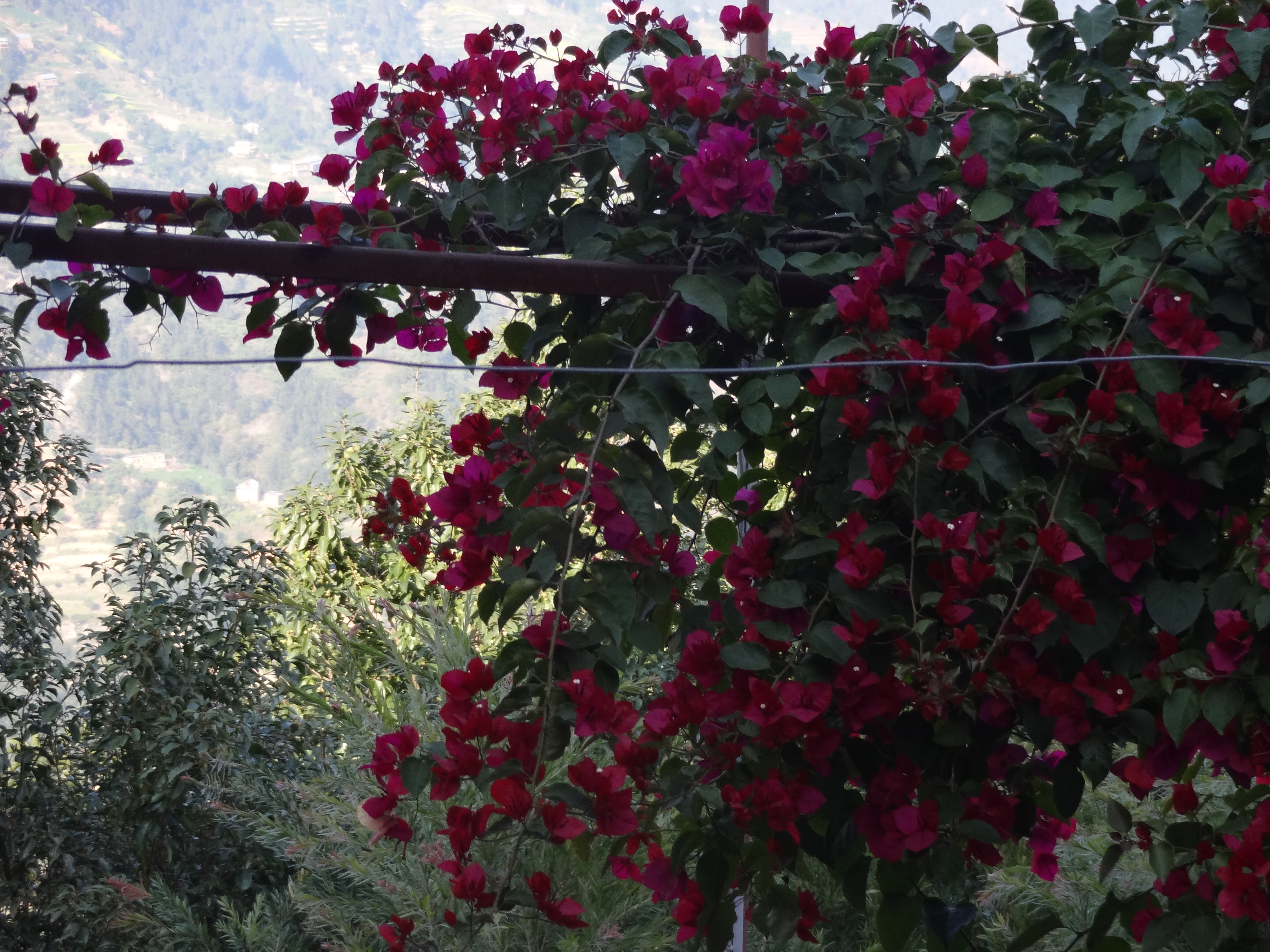
…and most strikingly, there’s bougainvillea everywhere. Sometime growing colorfully up a pergola – just like in Greece – except that in the background you can see snowy mountain peaks. Bougainvillea and snow in the same frame is hard to believe.


And before you think that Nepalese gardens are very European…let me shake it up a bit by introducing The Philippines into the mix:

DSC00740

Papaya….

DSC00680

….palm trees…

DSC00684

..and ancient Banyan-like, gnarly trees

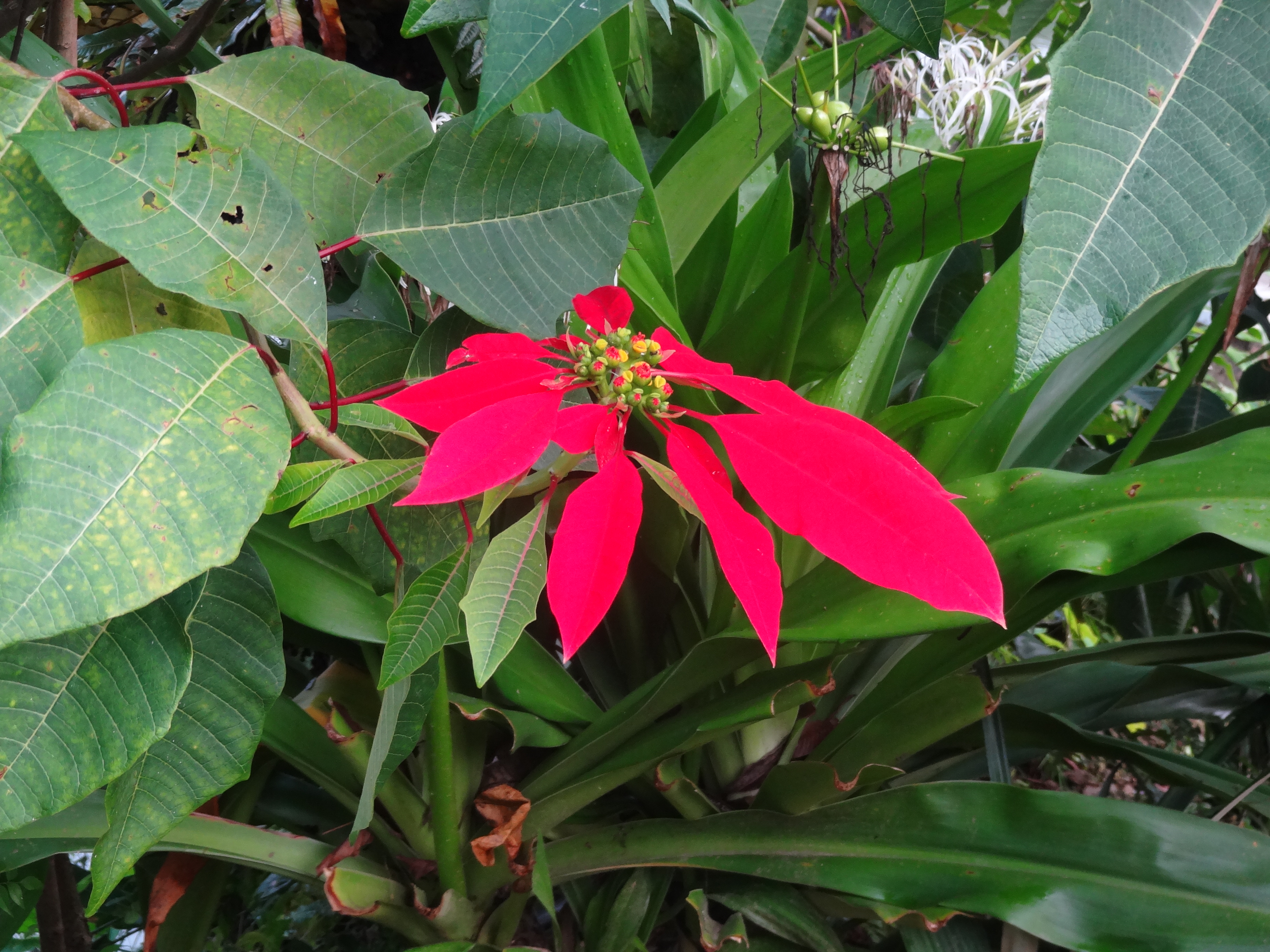
And finally, just for good measure, a little North American Fall and Christmas….

DSC00741DSC00689

Is there anything that DOESN’T grow here ?!!

Review of Fishtail Lodge, Pokhara


Fishtail Lodge Pokhara

The attractive landscaped surroundings of Fishtail Lodge

One in a very occasional series of hotel/resort reviews…

I thought our stay at Fishtail Lodge was worth writing about because it seemed unusual in a world of hotels that largely don’t care so much, filled with employees who are just doing their job, Fishtail was different in that it actually seemed to respect itself. When you enter the reception there’s a big board on the left showing dozens of famous dignitaries, royalties and international stars that have stayed there. Its quite a dazzling display. Although I didn’t recognize many of the Indian dignitaries, many I did know: George Harrison, Prince Charles, Jimmy Carter…to name but a few. Nowadays it may not be their first choice.  There are other newer, probably fancier resorts, but for somewhere more than fifty years old, it was in pretty good condition. The landscaping and flowers are beautifully cared for, and the hotel buildings are well maintained. The rooms weren’t fancy and had their problems – our shower head was busted and the phone wiring was iffy – but room maintenance came to fix it and because everything else in the room was ok we forgave them. I think largely why I liked was because it delivered what I wanted, a comfortable space, a great view, somewhere to read and privacy. And it was the last advantage -privacy – that really helped justify the price. There are plenty of places to stay in Pokhara that are a lot cheaper. And there are other fancier places that cost the same or more. But I liked that the place had a staff  culture and a sense of self, it made me feel comfortable.

Fishtail Lodge Pokhara

Each room with its own little terrace

The room design was interesting.  Large circular buildings were cut into twelve slices of “pie”, each slice being a room, with the slender tip of the wedge being the bathroom in each unit.  Air conditioning and plumbing etc. were centralized in the center of the pie, which is a practical way to take care of maintenance.

DSC00680 DSC00692 DSC00693 We ended up in room 17, one of their heritage rooms, that had prime views over the lake and mountains (if you are lucky enough to be there at the right time, of course.) We were also in good company and the plaques outside told us that Prince Charles and Jimmy Carter had both stayed in our very same room — but not at the same time, of course…..( that would just be weird! )I don’t think it was really the same bed 30 years down the road, but it was a first for me none the less!

Lastly one of its unique features was how the resort was set on opposite side of the lake, very much “on it” in a beautiful, natural setting.  Yet it was only a short peaceful ride over on a small floating pontoon to the town on the opposite bank.  It gave the Fishtail the advantage of quiet and privacy, but with easy access to the town’s shopping and restaurants. A nice touch.  We spent four days which was just about right.  I liked Fishtail very much.

DSC00736

Sarangkot: First Glimpses of the Himalayas


DSC00765
I was warned before I arrived here. Seeing the mountains in Kathmandu isn’t a daily occurrence. The monsoons, mist, fog and pollution all play their part in keeping the giants hidden from us valley dwellers.  But I was also told that the early part of Winter (now), after the monsoons, is the best viewing season– before the pollution levels rise with the increased emissions that the cold weather brings. That was the rhetoric.  The reality has been quite a bit different:  Nothing.  Nada.  Zip. Not a snowy peak.  Not even a suggestion of one.  Certainly nothing like a majestic Himalayan view to frame the backdrop to my day. I was starting to joke that the whole Himalayan experience was an elaborate hoax.  How could something be so big and yet so elusive?

Even our journey to Pokhara was unable to deliver on the promise, even though it is the is the gateway to the Annapurnas and the Pokhara guidebooks are full of tantalizing photographs of crisp blues skies and rugged perfect peaks just sitting as an indisputable, omnipresent backdrop to the town.  For us, the Annapurnas remained stubbornly absent during our entire stay.  We would never have seen one glimpse if we hadn’t made the decision to take an early morning side trip to Sarangkot.

Sarangkot is a popular viewing destination as it is an a higher elevation than Pokhara. Above the bowl of the town and lake, the odds improve that you can grab a view of Machapuchare (or Fishtail) and the row of Annapurna mountains that are unimaginatively named Annapurna 1, Annapurna 2….3 and 4.

Everyone wants to take you up to Sarangkot at dawn to see the sun rise over the mountains, and the early morning offers the best odds of a clear view.  Dawn required something like a 5.15am departure and Robert didn’t want to do it.  He also didn’t want to do it with a crowd of bus tours, so we decided that we didn’t need to see the sunrise but would go just a bit later in hopes the crowds had left.

We arrived just as the last of the bus tours departed.  Their giant buses were parked along the roadside and our taxi had to squeeze past them as we drove up; the narrow mountain roads certainly weren’t made for tourist buses.  We walked up the dirt track to a viewing platform and climbed the stairs to the flat, empty rooftop.  It was covered with plastic chairs and we were the only ones there.  I sat and drank hot ginger tea and looked out at the mist.  No mountains, only mist.  It didn’t look very promising. The waiter told us that there had be no visible mountain sunrise that morning and everyone had gone home empty-handed.

DSC00755

Sarangkot viewing platform

DSC00758

Only birds and the occasional small plane broke the monotony of the mist…

And then it happened….very slowly.  The barest outline of a corner, of a peak, started to appear.  Then a little more, and a little more, until a whole peak was revealed.  Very, very slowly over the next 30 minutes, like a giant curtain being pulled back, the range came into view. There they were…not a hoax after all!

DSC00768

Not the best picture ever taken of the Annapurnas…but one patiently waited for. I hope to have a clearer view one day. But, for now, I take this one!

Sign Language: Nepali Elections


DSC00800

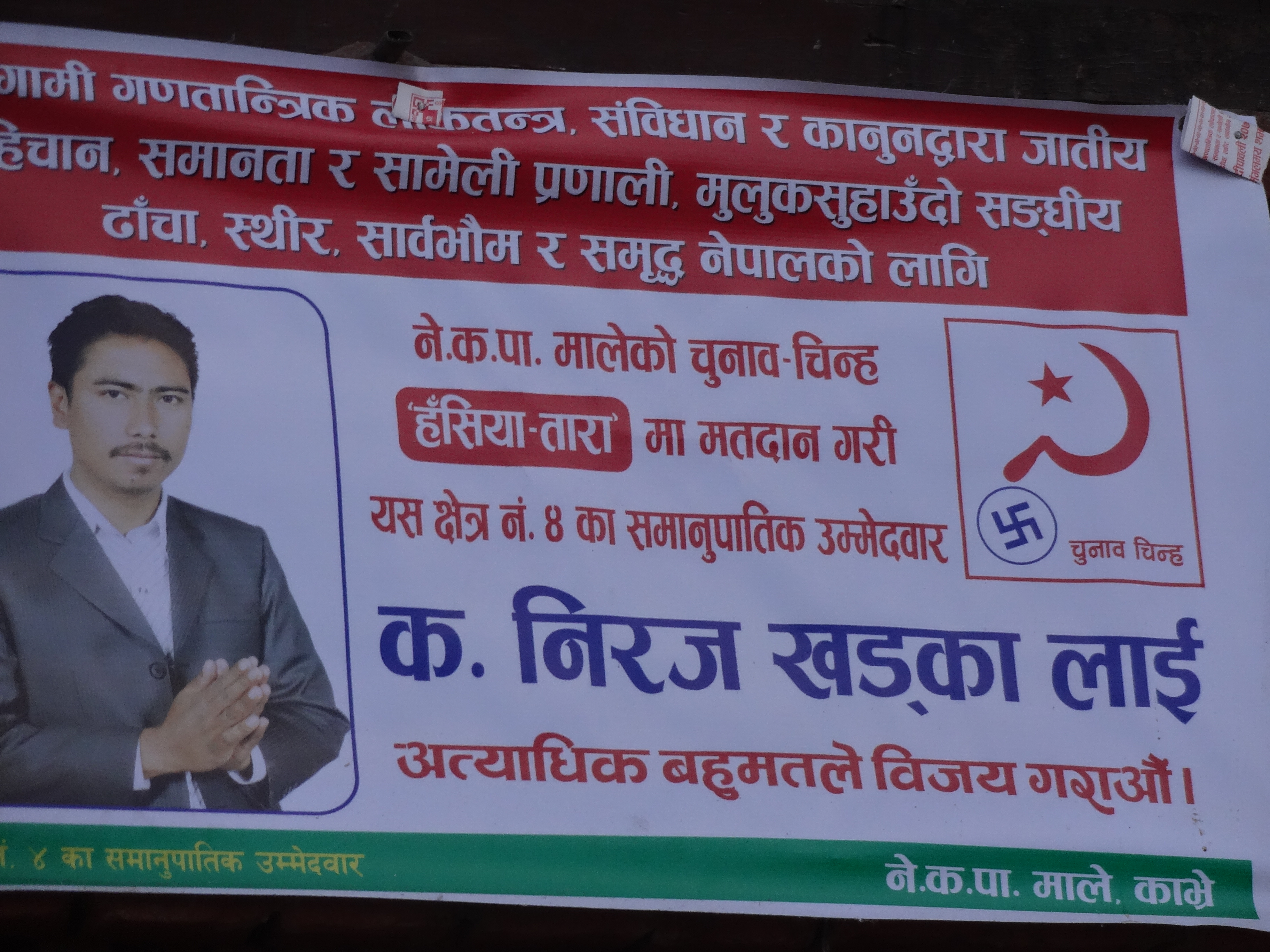
For the last month or two, Kathmandu has been strewn from one end to the other with election posters from the ranks of its 100+ parties running for election on November 19. Usually, I steer away from political topics on this blog, but its hard to ignore politics these days. The posters are particularly poignant for me. As someone who can remember the Eastern bloc, the days of Soviet Communism, and Mao as leader in China, its a very weird “blast from the past” to see the hammer and sickle plastered around the city. Yet in Kathmandu, the Maoists are a force to be reckoned with here. A 33-party alliance of Maoists have tried to hold the city to ransom for the last 10 days with a transportation strike to disrupt the elections, and it has been a nuisance at best for those of trying to get things done. The strike was only partially effective for the first day, after which it was downgraded to a night-time transportation strike so no-one could safely drive around at night. This morning, the day before the election, ironically the streets were quieter than during the strike because most citizens have left to return to their home place to vote.

Effective or not, the strikes have created some real violence in places, and it is probably not over yet. Tomorrow is the actual election day and, again, the streets will eerily be bus, car, bicycle and motorbike free. Except this time it is a government-mandated transportation ban designed to avoid illegal busing of voters in a fledgling democracy. Tomorrow we are walking to work.

The upside is the city is silent, the skies are clearing and the Kathmandu’s beautiful mountains are visible again in the distance.

DSC00819

This is my favourite poster based on the design. (I can’t read Nepali – yet.) Driving past I swore it was Mao himself because of the pose. Someone needs to explain to me the significance of the traditional drum.


Tomorrow is going to be a big day for Nepal.

Pokhara: Peaceful Lake Life


DSC00688

A misty early morning start. The massive Annapurna range is in the background, but you would never know it.

Nepal is a landlocked country and after coming from the Philippines with its 7000+ islands, it slowly dawned on us that we hadn’t see a stretch of water for quite a while.  Pokhara has the country’s second largest lake, and the idea of being back on water again was very appealing.

There’s a small tourist industry here, built around the Annapurna trail which starts in Pokhara.  On the perfect day with no wind and clear skies, apparently you can see the Annapurnas reflected in the lake, but we weren’t that lucky. We arrived to a downpour of rain. Subsequent days were dry and sunny, but the Annapurnas remained obscured in mist for our whole stay. Fortunately the lake was there and beckoned us forth.

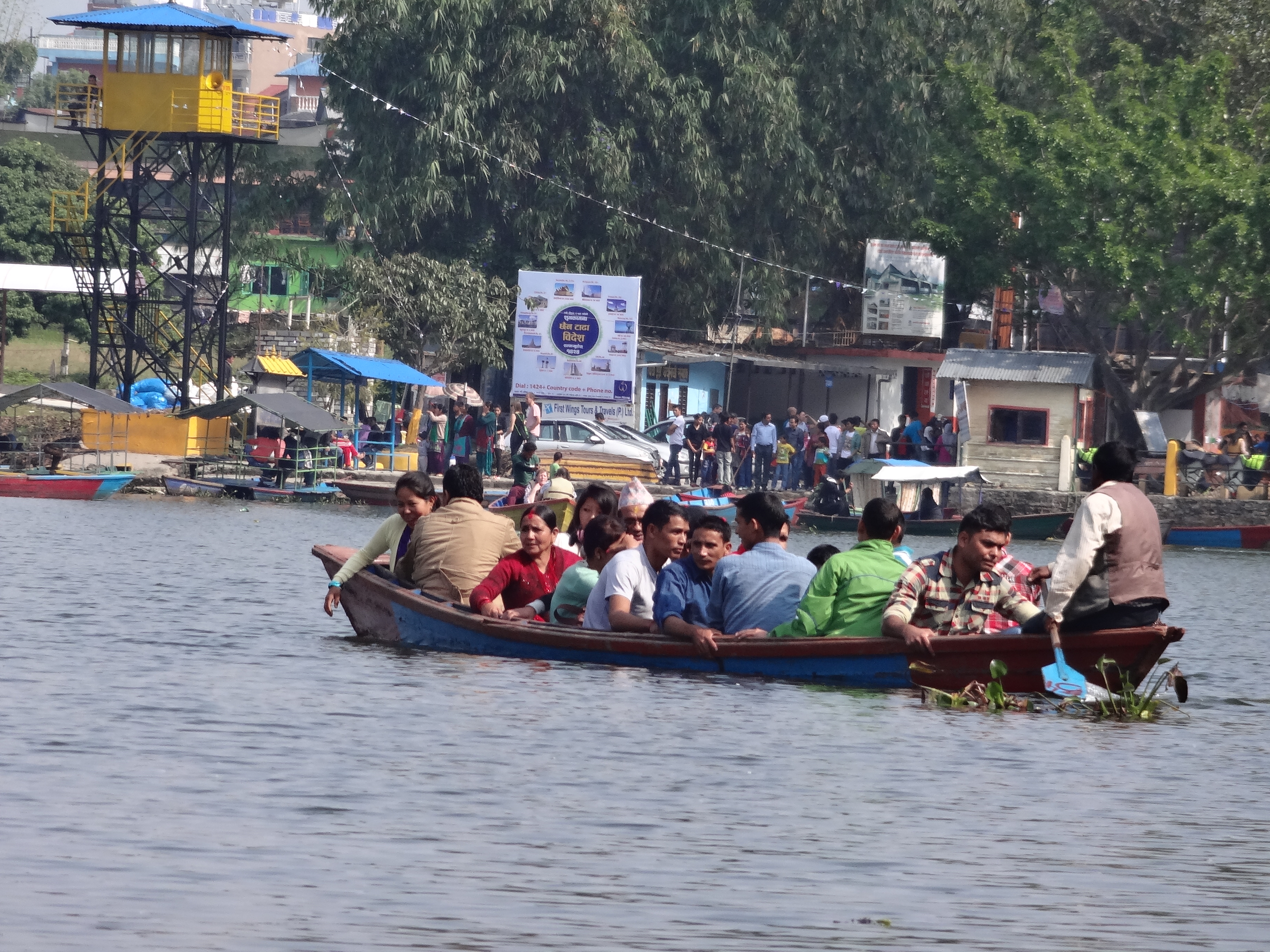
We stayed at a lakeside resort and it was an easy (and lazy) option to hire a boatman to take us across the lake to the trailhead up to the Peace Pagoda on the first morning of our stay. The lake sits in the middle of the town and its an easy paddle out to its center to enjoy the calm of the waters. There are no motorized vehicles and not much traffic. You can sit still and just hear birds and lapping of the paddle. Its very peaceful.

DSC00695

Heading out from the lake’s sound bank

The town lies on one bank and the jungle lies on the opposite side. We skirted the green edges of the lake, past fishing nets and allsorts of aqueous plants (or weeds, maybe?). Daily life of laundry, fishing, and tourist activities went on around, but it never felt crowded or spoiled.

DSC00700

The quiet, green side of the lake

DSC00697

Getting an early morning load of laundry in

It was also a national holiday, and boat loads of visitors from the town were visiting the small temple island in the middle of the lake. For this reason we kept rowing past and didn’t stop to take a look.

DSC00729

Locals being ferried back and forth to the temple on the lake’s small island

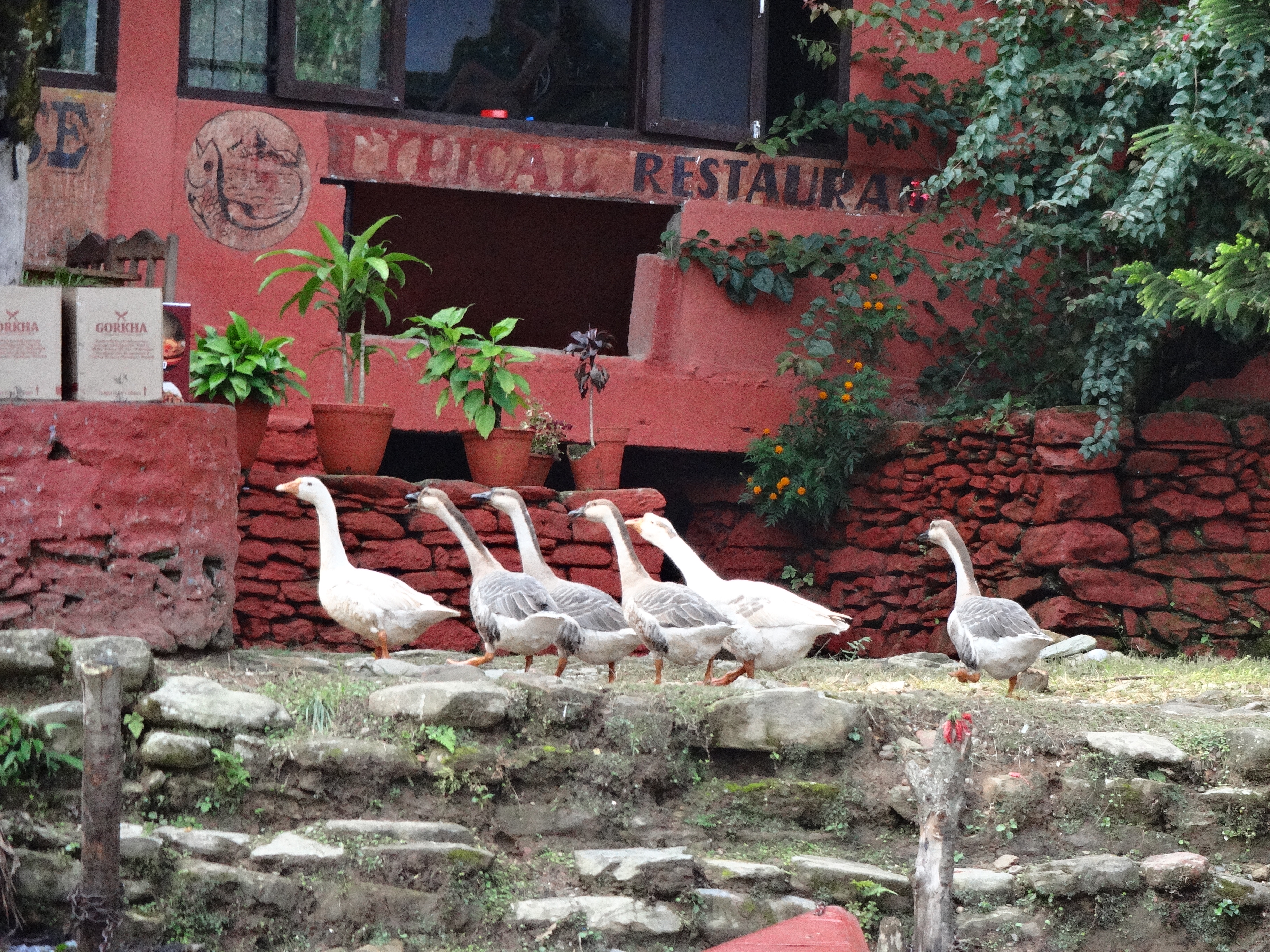
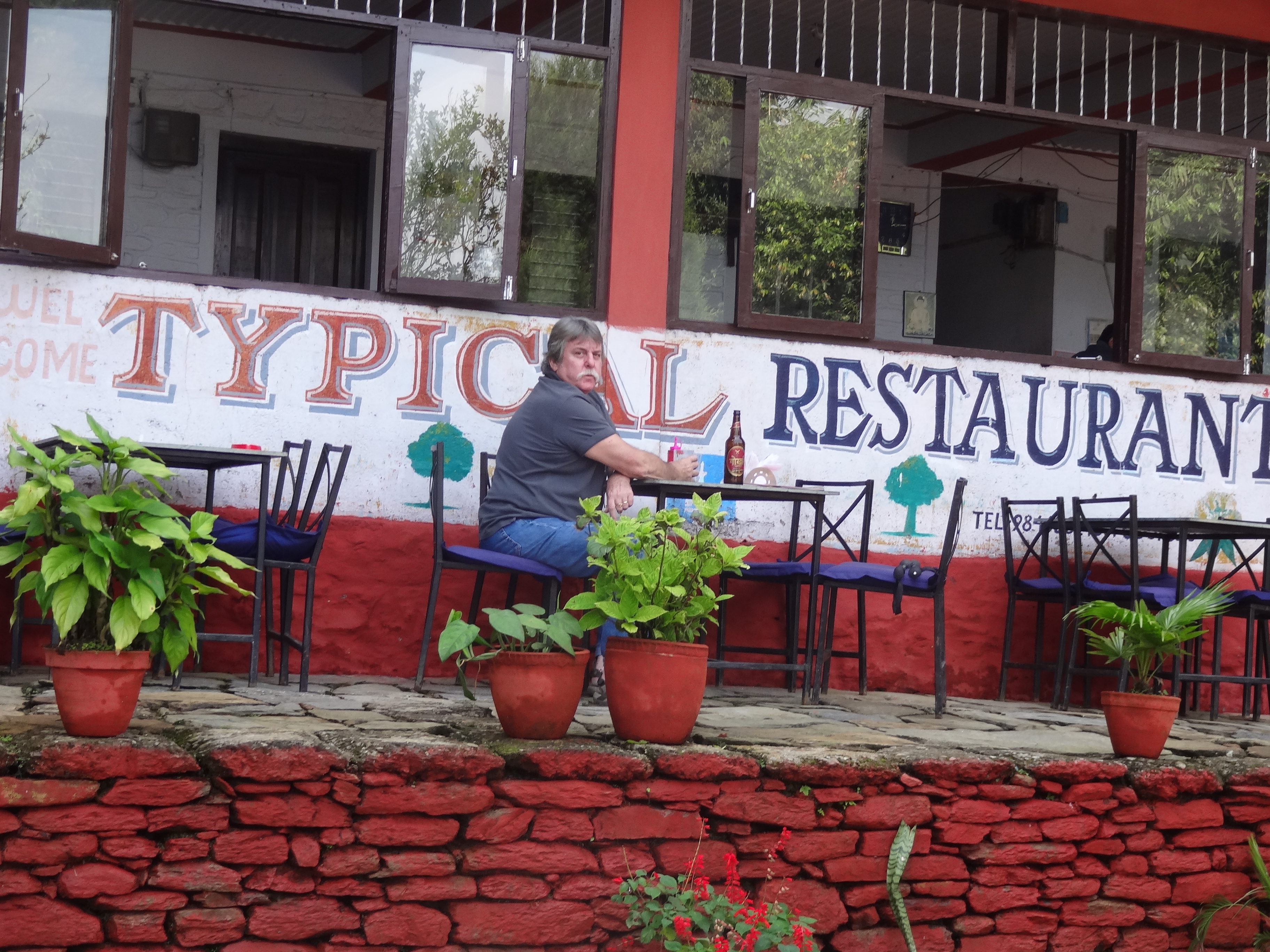
Our destination was the trailhead for the Pagoda Peace Temple trail, which was at a small lakeside restaurant called “Typical Restaurant”. I decided this was meant to mean “typical” in the traditional sense, although the geese didn’t seem to care one way or another.

DSC00707

Watching the geese run riot

DSC00726

Robert deciding whether the place is typical or not….

DSC00721

Colourful boats on Phewa’s shore

DSC00727

DSC00733

We made friends with a local who told us stories of the lake that he remembered as a child – a larger, less polluted lake that they would swim in as kids. But its still pretty clean compared to Kathmandu, and the water still looks reasonably clean. He tells me that there are environmental groups working to keep the lake alive, which I am sure is an uphill battle, but I’m glad to hear someone is working to protect it before it is too late.

Tihar in Pokhara


Tihar Festival

Tihar Festival

Tihar, also known as the festival of lights, is celebrated throughout Nepal.  We chose to spend the four day break in the mountain town of Pokhara, which is about a 5 hour drive or a short 25-minute airplane ride from Kathmandu.   (We chose to fly, but as it turned out driving would have been much quicker. But C’est la vie! we made it finally, despite the weather.)  The festival began a few days before our departure with the Day of the Crow, where offerings of food, coins, oil-wick lamps and incense in are set out in their honour.  Unfortunately, I didn’t get to see this for myself, but our driver filled me in on the details.  He also explained that the second day is the Day of the Dogs, when they are anointed with the red tika, adorned with garlands and fed well, whether they are stray or pets.  This I did see and it was adorable.  Dogs were running around the city with little red dots on their foreheads and strings of marigolds around their necks.  Unfortunately, it was a work day and I was not in camera-mode.  But here is a sample from the interwebs…he doesn’t seem too pleased about it:

dogtihar
The third day is the most important one in Tihar. In the morning, cows are also given tikas and garlands, and doused with yellow and red powder. People touch the cow’s body with their heads, bow down to its feet, and even crawl between its legs on all fours, for the purpose of humbly asking for assistance and guidance for their souls when they leave this world. On the evening of this day, after the homes have been well scrubbed and cleansed with red mud and cow dung, each one is embellished with tiny oil lamps, and candles.  From this comes the meaning of the pretty light festival, which also happened to be the second day of our arrival in Pokhara. That evening we watched shopkeepers lay down a line of tiny lights around their stores and a pathway was painted on the ground leading inside.  I later learned that the pathways marked by the lamps and the footprints (or painted pathways) made from rice flour paste are to show the goddess Laksmi the way to the family’s treasured possessions.

The fifth and final day is Bhai Tika, when sisters worship their brothers by making holy circles of water and oil around them and by feeding them specially prepared foods, and sweets. The brothers in return give their sisters presents. If a boy has no sister, then a close female relative may perform the ceremony.

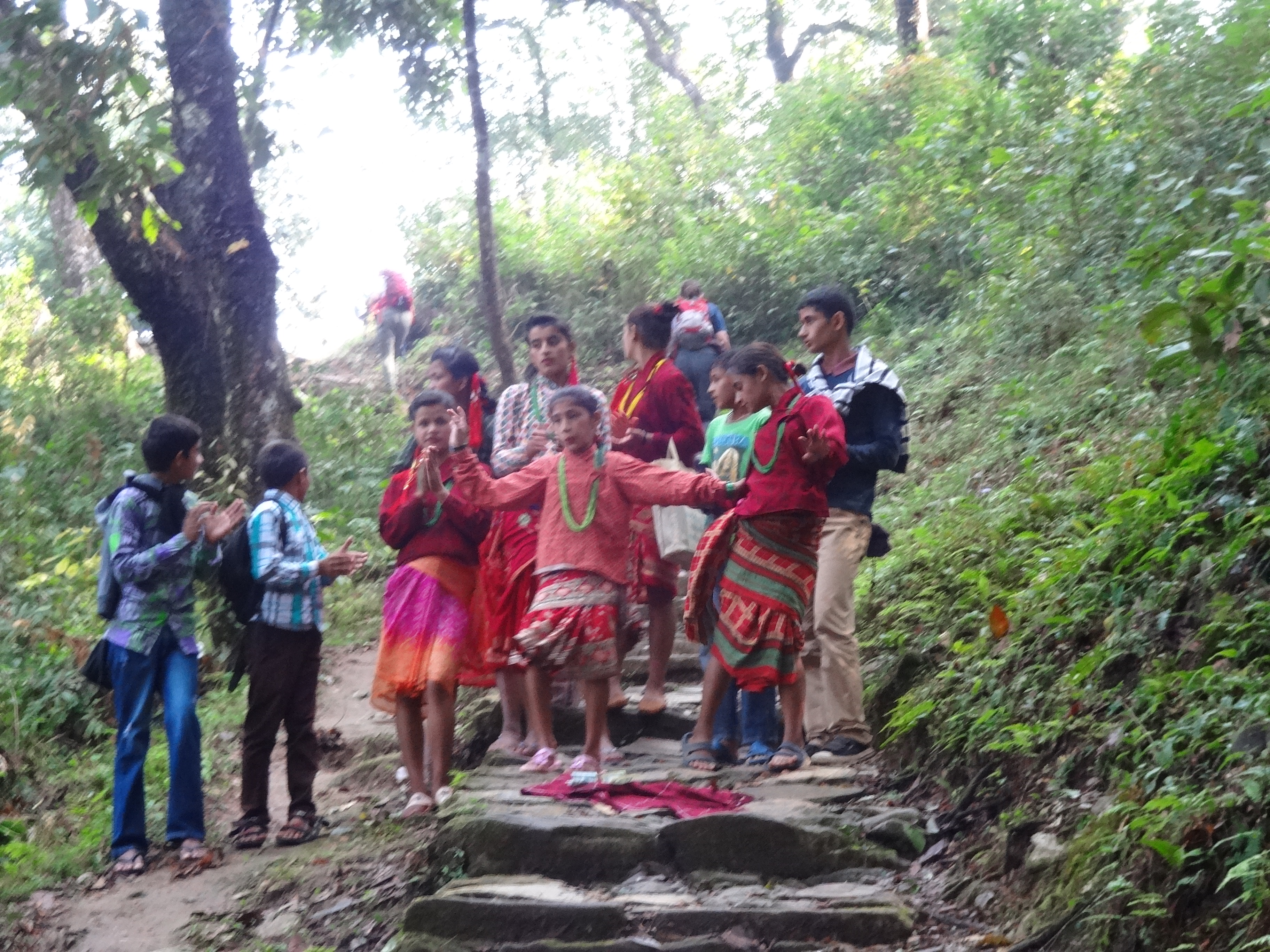
I also witnessed another tradition that no-one has explained to me yet, and perhaps it was only local to Pokhara: street dancing. We went for a hike in the morning on the first day and saw groups of singing and dancing kids along the hiking trail up to the peace pagoda. The next morning a few dancers performed outside the stores in front of the Lakeside stores.

Tihar Dancers

Early Tihar dancers getting into their act, near the Peace Pagoda, Pohkara

On the second day, it became clear that this is what everyone was doing, and it was quite a sophisticated affair. All down the main tourist shopping area of Lakeside, and in the main town away from the tourists, small dancing troupes were singing to shopkeepers. We saw traditional dancing groups, modern Bollywood productions and even the Gang-um Style horse dance. That evening, they kicked it further up a notch. In the darkness they had brought more candles and electric light displays, speakers, microphones and full-scale productions. The audiences were always passersby, gathered in a circle around the act in front of each store. You could spot them from a distance away.  These performances were not one dance wonders, but well-rehearsed, multiple acts with musicians.  After dinner from our hotel on the other side of the lake, the town was lit up with lights, music and dancing that went on until well past my bed time.

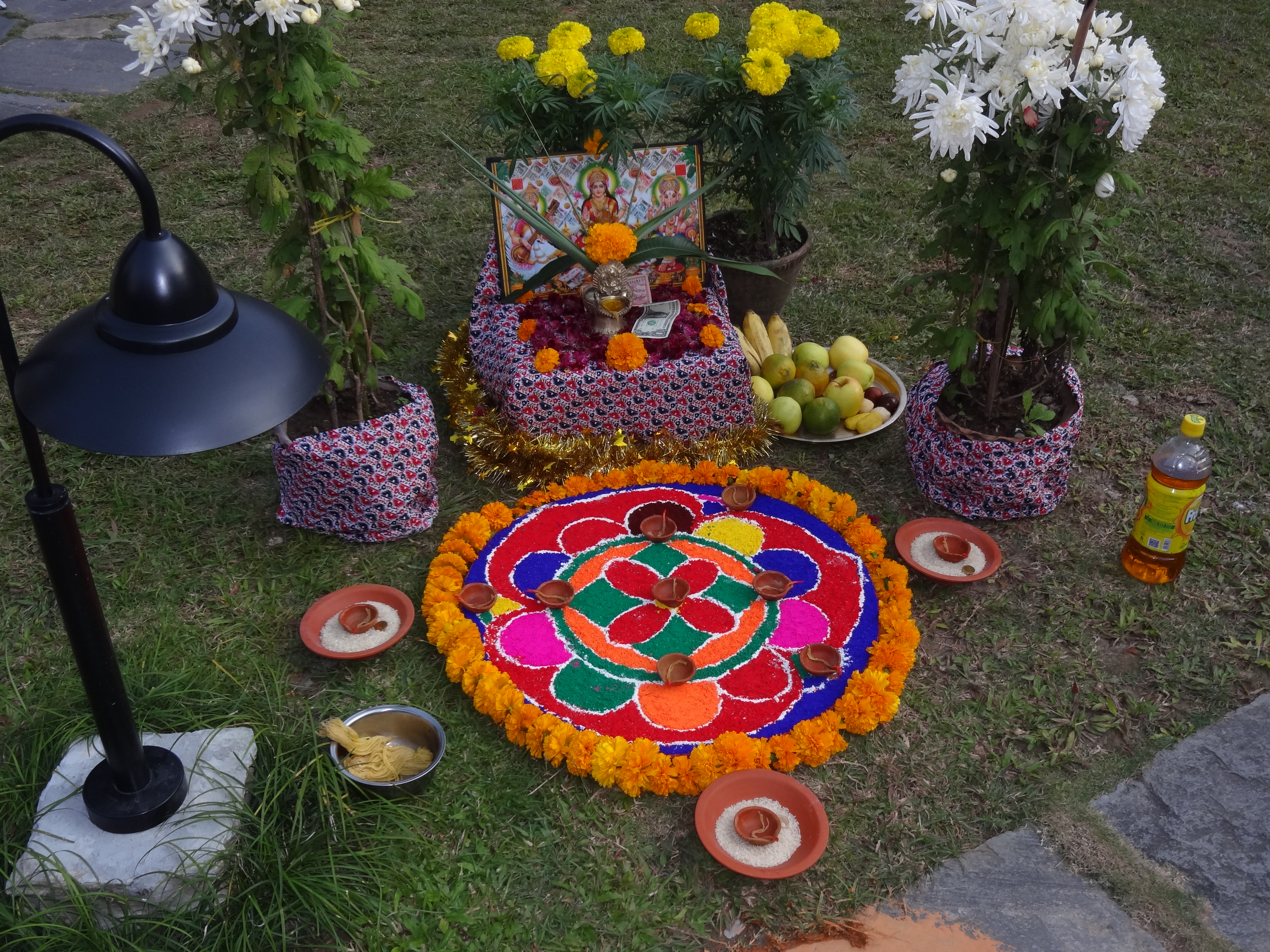
Rangoli

Rangoli, rice flour design at a Tihar offering

Kathmandu Domestic Sojourn


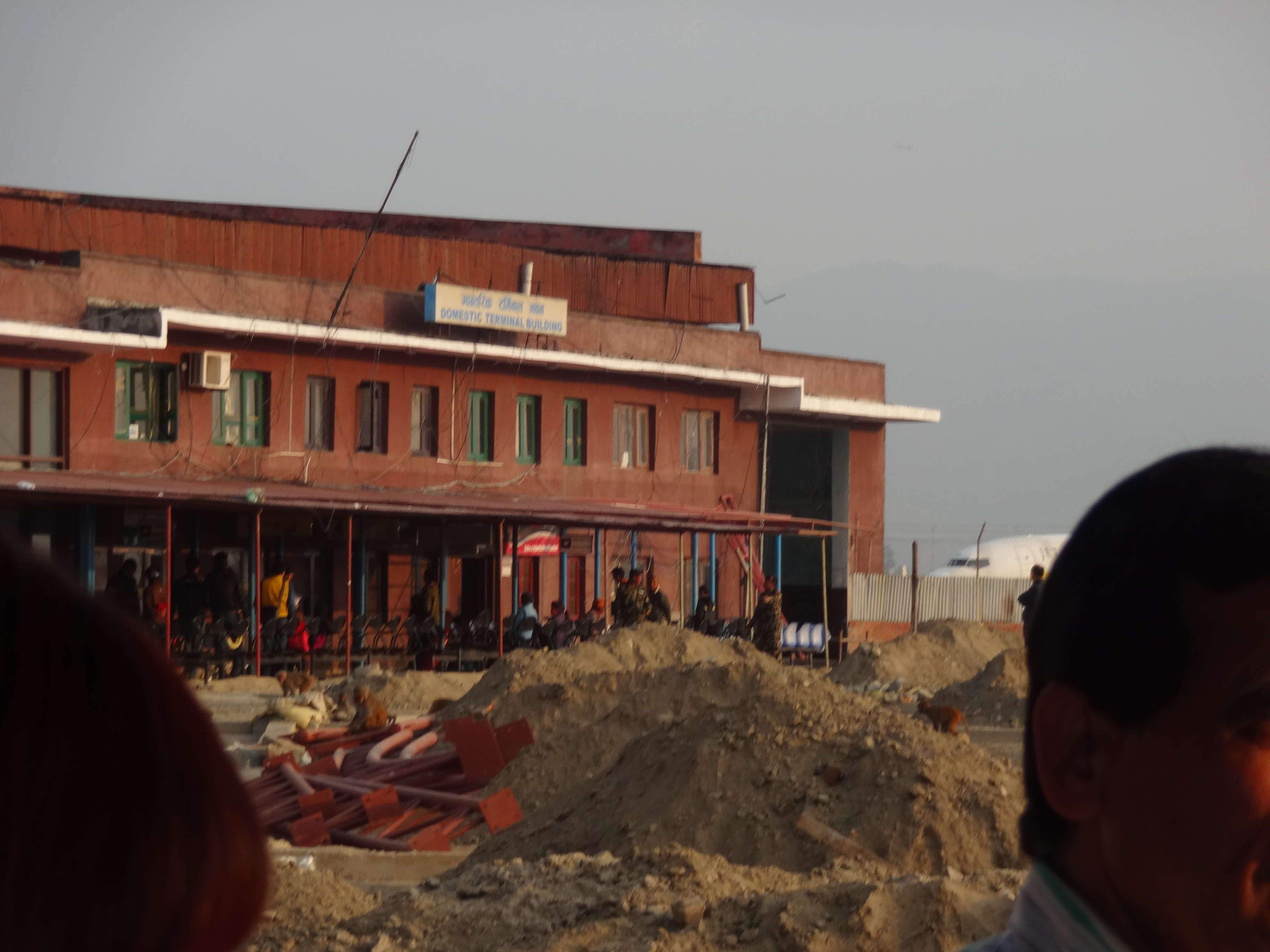
Rather unbelievably, this is the domestic terminal in Kathmandu. I don’t know what I expected before we pulled up for the first time. I certainly wasn’t anticipating a small, clean modern place, but nor was I expecting this.  When we arrived in Tribhuvan International Airport back in late August. I pretty much got what I expected. It was small, old and rough around the edges, but not a surprise in one of the world’s poorest countries. The domestic terminal was a different story.
DSC00773It was hard to believe that every trekker’s flight out of the city starts here.  My first impression was certainly made worse by the construction for what I am guessing is a parking area in front of the terminal.  Word is there are plans to build a new terminal at some point in the near future, but who knows when…in the mean time this is the gateway to the mountains.

DSC00669

All of the poured cement rectangles (for the new car park?) were being dug out and leveled by hand using a spade and wheelbarrow.  Passengers took shortcuts past the mounds of dirt.

We arrived on the first cool, crispy morning of the year. My light jacket wasn’t doing enough, my sock-less feet were starting to feel the cold, and I could see my breath for the first time in three years. We negotiated our way into the terminal past the many obstacles and security blocks only to find that our destination, Pokhara , was currently closed due to bad weather and our flight was delayed at best. The terminal was crowded confusion and, with no working monitors, it made more sense to stay outside and wait where there was at least some seating available.

DSC00667

Waiting to hear if our flight was even going to take off today…

To cut a long story short, we waited over six hours in there.  One hour outside, and five hours on the other side of security in a large room that felt like an old bus station.  As rough as it was, it was also a marvel to see just how many flights they handled with just two gates and a handful of buses. It was relatively organized, and we were handled with courtesy by the airline staff.  No one appeared to be misbehaving or having a meltdown because they had the wrong seat number.  Finally, to everyone’s credit, Pokhara airport opened, they caught up with the backlog of flights and we took off for a four day break in the mountains. Hopefully they really will do something about the domestic terminal soon.  The Nepali tourist industry, the Nepali people and the rest of us deserve better!

DSC00777

Monkeys added to the confusion…and to the surprise…as monkeys tend to do

DSC00668

Yup. That’s the baggage claim


Village Rice Harvest


DSC00612

One of the things I really like about Kathmandu is how quickly you can get out of the city.  In about thirty minutes you are out of the maze of chaotic streets. After 40 minutes, you are in the countryside.  It makes a day trip easy, and you don’t have to worry about endless hours in traffic like we did in Manila.

I like the closeness to country life that is still evident here.  I like seeing how food comes to the table.  In Nepal most activities are still handled manually.  All around you can see the seasons and routines, and how everything harvested has a function to feed people, animals, or fuel fires.

Our recent trip to Sankhu was just a 45 minute drive and we stayed at a small cottage with views out across the rice paddies.

DSC00640

The bedroom/kitchen/living space of our little cottage

DSC00636

Looking out across the rice paddies at different stages of the harvest

From our ringside seat, the views across the valley were of farmers bringing in the rice crop. Its a family team affair with at least one person cutting down the tall rice stalks, another shaking the grain on to a hessian cloth, and another tying the stripped stalks into bundles.

DSC00637

The tied bundles of rice straw are then layed out across raised mounds of dirt to dry in the sun. The dirt mounds and furrows are actually planted potatoes that are already in the ground waiting for the rice crop to vacate. Unfortunately, the rain stayed a little late this year and this farmer’s work lies drenched in the flooding. A reminder that farming is risky business.

Once they bundles are dried out they are piled in haystacks, and eventually brought inside for storage.

Haystacks

Haystacks seemed to be a form of self expression. We saw quite a few different techniques!

Towards the end of the day, farmers gathered up the rice grains from the burlap sheets to put into sacks for transportation. But the final task beforehand was to toss piles of grain in the air to remove some of the husks, dust and dirt. Only then could he fill the sacks and carry them home for the day. We saw a mechanized version of the grain cleaning while we walked through the village:

cleaning rice grains

Same idea, but with a little help from electricity (when its working). Grains fall in front of a spinning fan, which blows away husk debris. The “aired” grains pile up on the plastic sheet, waiting to be bagged.

DSC00627

This farmer got a head start on his potatoes.  The  potato crop is already on its way.

Its a lot of very hard work and risky business. Watching the harvest come in gives you a whole new level of respect for a simple bowl of rice.

Cow Among the Pigeons…


20131030_103355
When I got out the car today in Dhurbar Square, there was not one, but two cows looking at me, both surrounded by a sea of pigeons…above them, around them and sitting on their heads.  Here’s the other one:

20131030_103402
It was quite a sight.  I know, I know. I have a bit of a cow theme going on this month…but who cares.  One day, I’ll stop noticing cows in the street and think its normal, right…?  But for now I can’t stop marveling at the incongruity of having bovine vagabonds hanging out on street corners, rummaging through garbage and generally behaving like stray dogs.  Its just weird and amusing.

Here’s a few more that I have snapped on my travels around Kathmandu streets.

kathmandu cows

Having a scratch on a sidewalk somewhere

DSC00665

Resting by the side of a bridge

Kathmandu cows

This one was just wandering through traffic looking for its mum

All these cows and no McDonalds!

Sign Language: Don’t Toot Your Own Horn (Pleeeeease!)


DSC00661

Why is this sign in English? Its Nepali drivers that have the horn habit.  A foreigner on a bike is a rare thing. Perhaps they have dozens of other signs in Nepali and I just can’t read them yet, but it was kind of a mystery….and clearly wasn’t working!

Buried in a motorcycle parking lot, I risked bodily injury taking this photo. The lot was a chaotic sea of parked bikes and aggressive cyclists trying to park or leave…and the horns were blasting. People blast their exceptionally loud horns here at the slightest provocation or for no apparent reason at all – take your pick.

Sometimes when I’m walking down a narrow sidewalk and a semi-stationary bike starts to hit on his horn in some insane random way — its everything I can do not to go over, confiscate his keys, and clip him around the ear. It deafening and annoying.  It can make you jump out of your skin if you don’t see it coming.  And when I am crossing the street at a pedestrian crossing with adequate warning, and they speed up and blast me as though I stepped out in front on them…well that just makes me mad.

Horns here go full on all the time…reaching a crisis level during the rush hour.  They blast so often as to be totally meaningless.  And then at night something strange happens….they stop.   The power goes out and the city goes to sleep and all you can hear is barking dogs.