30 Seconds: Chitwan Village Night Fall


As sort of a second installment of my recent stay in Chitwan, here’s a follow up video to The Bridge.

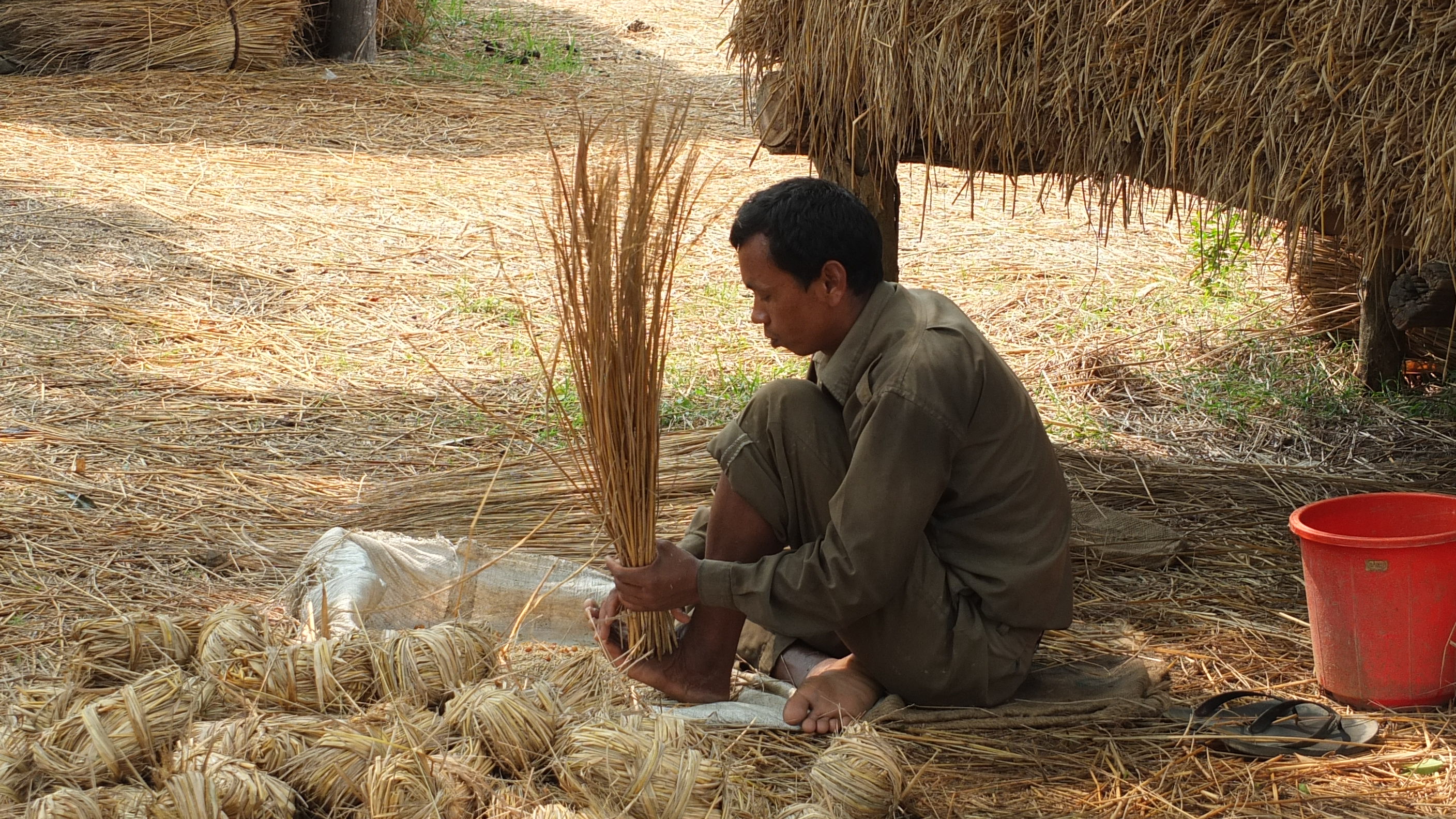
Most evenings, we like to sit by the river with a glass of wine, fight off the mosquitoes and watch the sun go down. Across the same bridge, a ten minute walk away, is the nearest village. On our second to last night there, we took a stroll over and shot the evening routines. I hope you enjoy it as much as I did:  

30 Seconds: Kathmandu from the Back Seat


We have drivers here in Kathmandu. I’ve a personal driver who takes us back and forth to work and motor pool drivers that take me to work events. Its a necessity really, not a luxury. I don’t think I could ever stand to drive here myself amid all the traffic mayhem or take the crowded, tiny micro buses that serve as public transportation. So I spend a lot of time in the back of a car, watching flashing images of people, places and things fly by the window. The surprising, the colourful, and the sometimes downright scary, make up for the monotony of traffic and the blare of omnipresent horns. Sometimes, I try to capture all of the craziness with my camera, but often soon as something interesting appears, it is gone. But, occasionally, I succeed and a little bit of the city is captured with my lens. Here’s a set of some of the better images, presented as close to realism as I can manage. Plug your ears!

Weekly Word Challenge: Brick Wall


DSCF7689

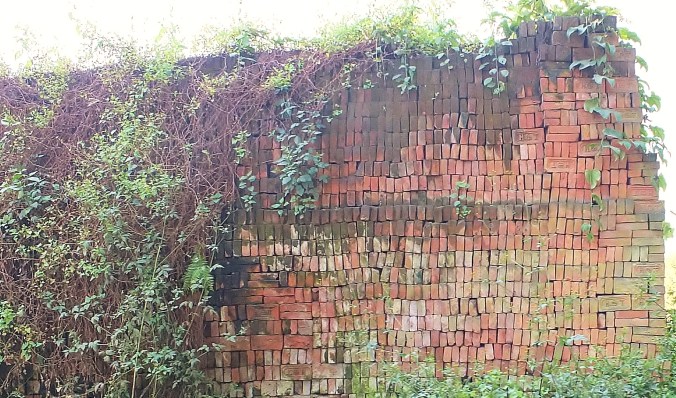
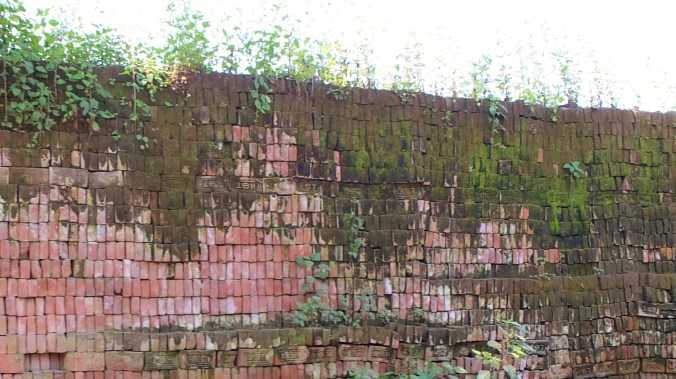
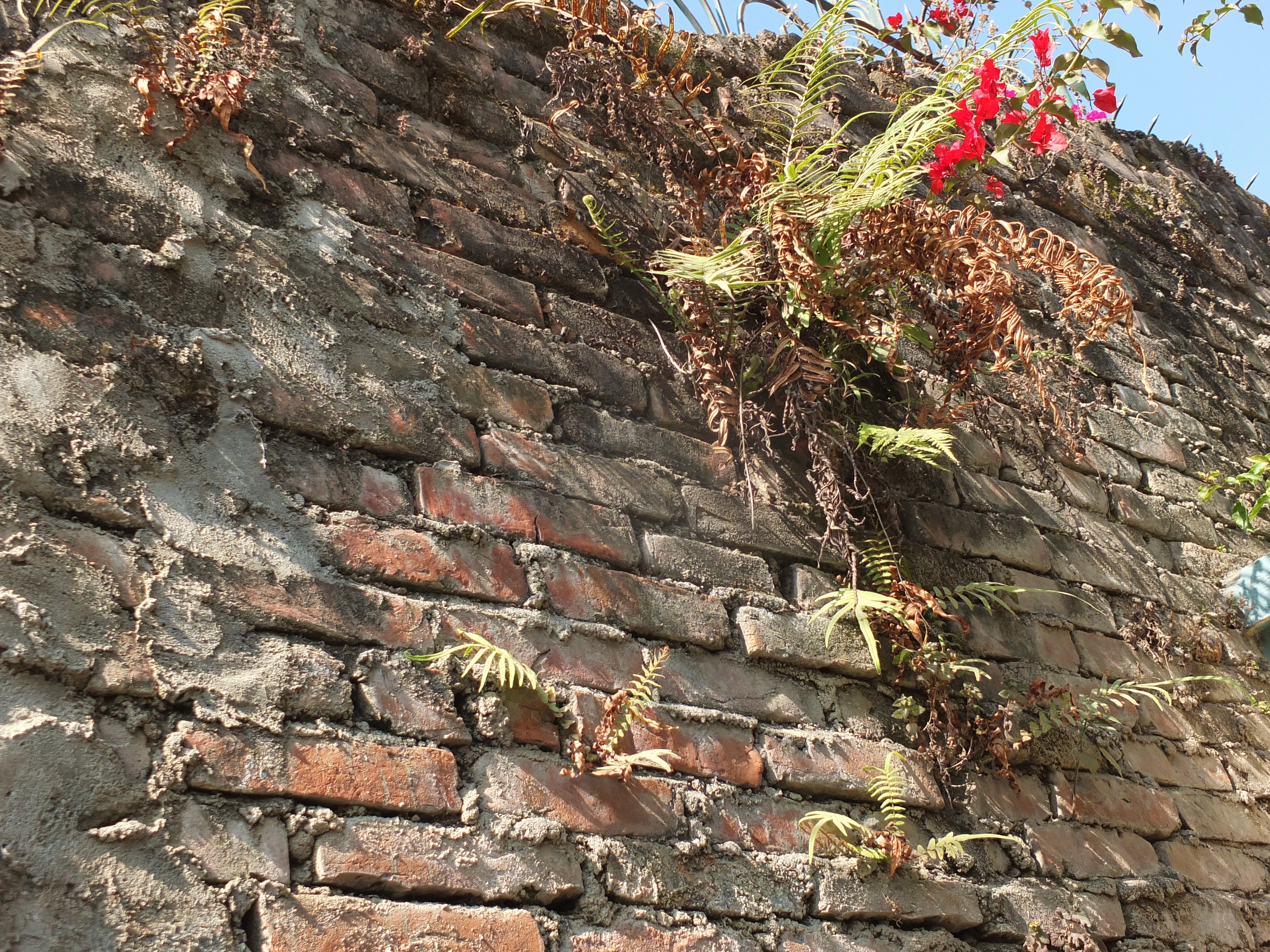
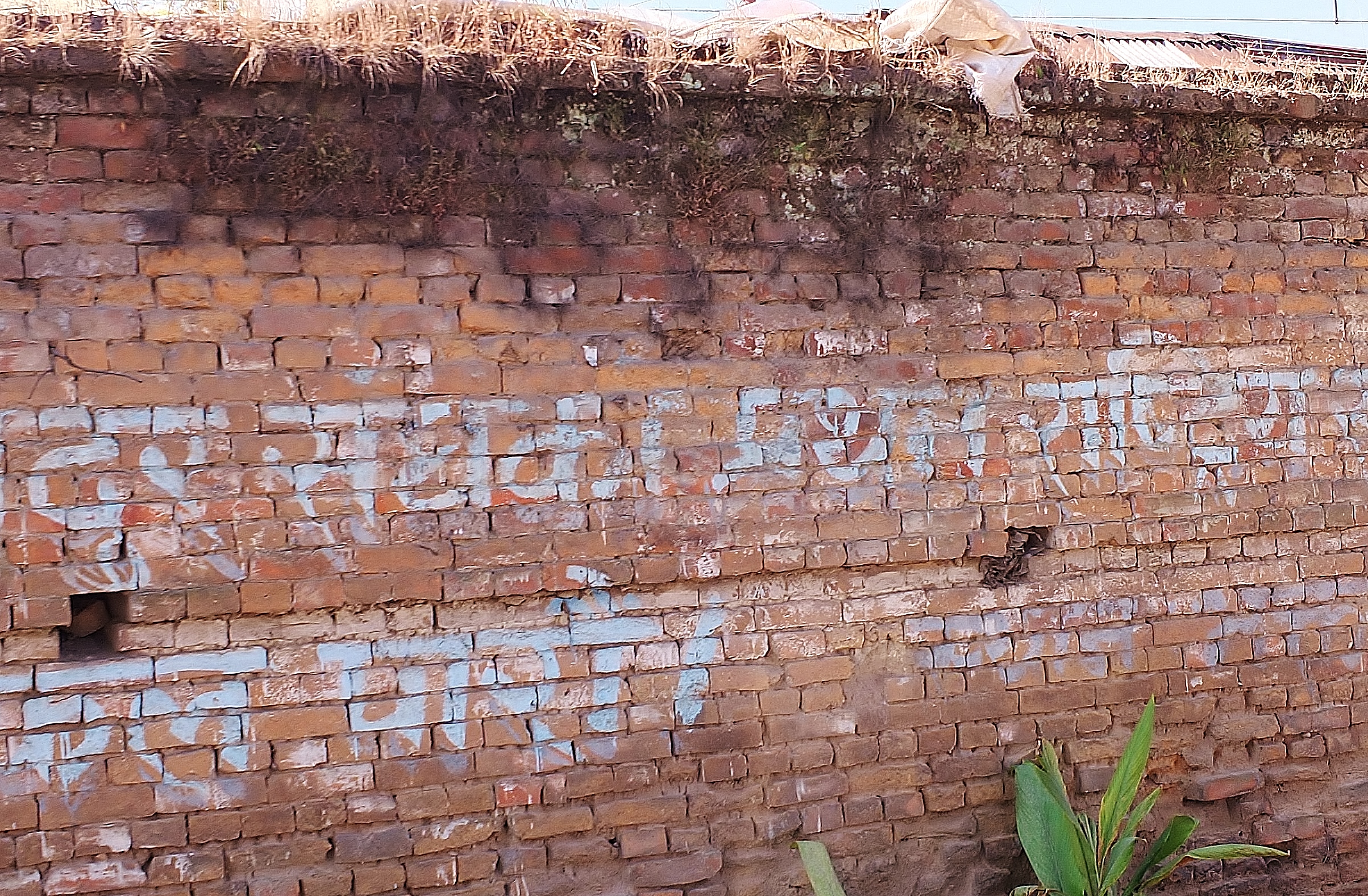
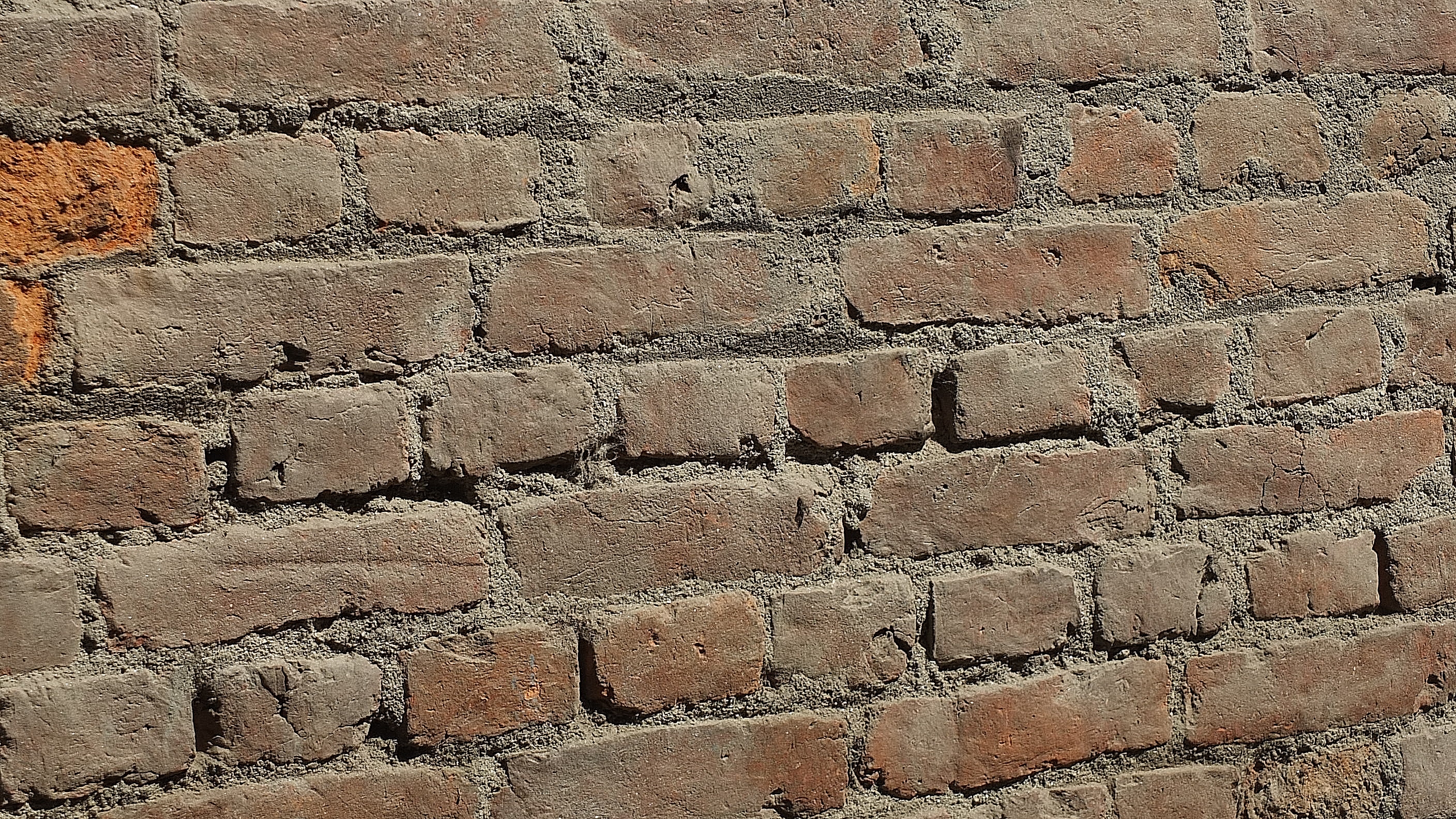
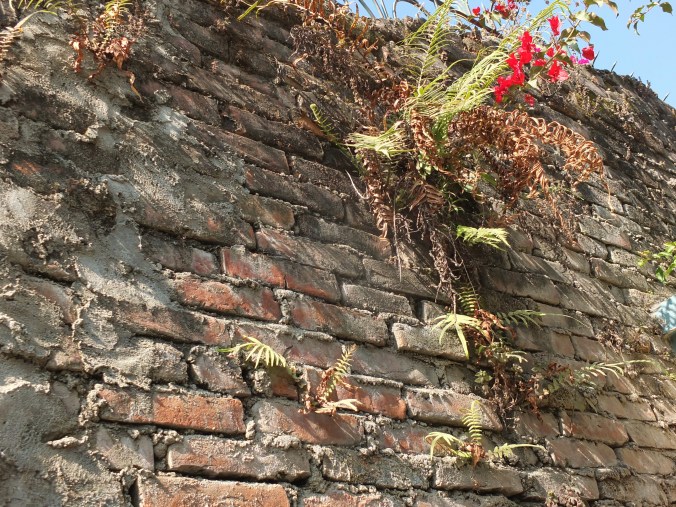
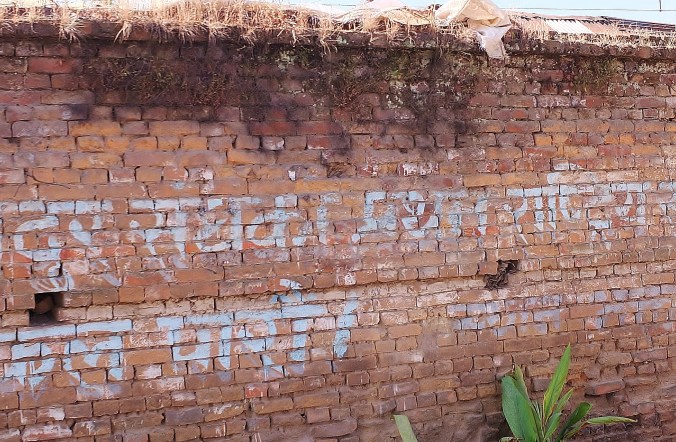
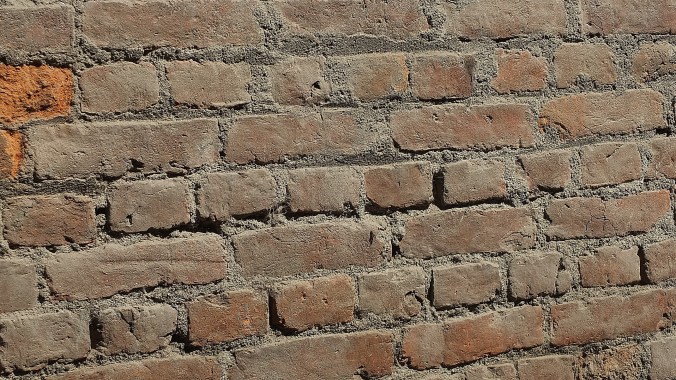
I love how these challenges help me out sometimes. I’ve been subconsciously collecting photos of brick walls: Half crumbled or moss covered or sprayed with slogans. Brick walls are everywhere in Kathmandu. I wasn’t quite sure what I was going to do with them, but I was fascinated by the variety of textures and the whole mini eco-systems they come to support. Anything made out of brick looks so much nicer than the modern alternatives of concrete, and cold, blue-tinted glass. In the 21st century, Kathmandu is scattered with  a mix of the old and the new.

Traditional Nepali bricks are cut by hand, dried in the sun and then low-fired in tall, chimney-like kilns. Ironically, the traditional brick is at odds with the modern day. The giant construction boom has led to more and more kilns pumping out increasing volumes of black, sooty air.  This traditional craft is now make a significant contribution to the appalling air quality in this city. Once green valleys are now hosting belching kilns and rice paddies now longer produce rice, but are used as platforms to air dry the bricks. Its a pretty disturbing sight.

The quality of the bricks is pretty low. Although they look quaint when they host moss or grass sprouting from the cracks, they don’t last long if they aren’t maintained. Very often brick walls aren’t rendered well, leaving them with cracks vulnerable to invasive roots or even unstable enough to wobble around rumbling traffic.
DSCF7,555

DSCF7168

Kathmandu wouldn’t be the same place without it brick walls.   Everything I love about the architecture of this city includes carved stone and wood, and the traditional red brick.  Yet, environmentally, bricks are a disaster.  Closely followed, unfortunately, by the environmental disaster that is concrete construction, with quarries and mines stealing stones and gravel from river beds, changing the course of rivers and destroying their health.  Where is sustainable development in Nepal?

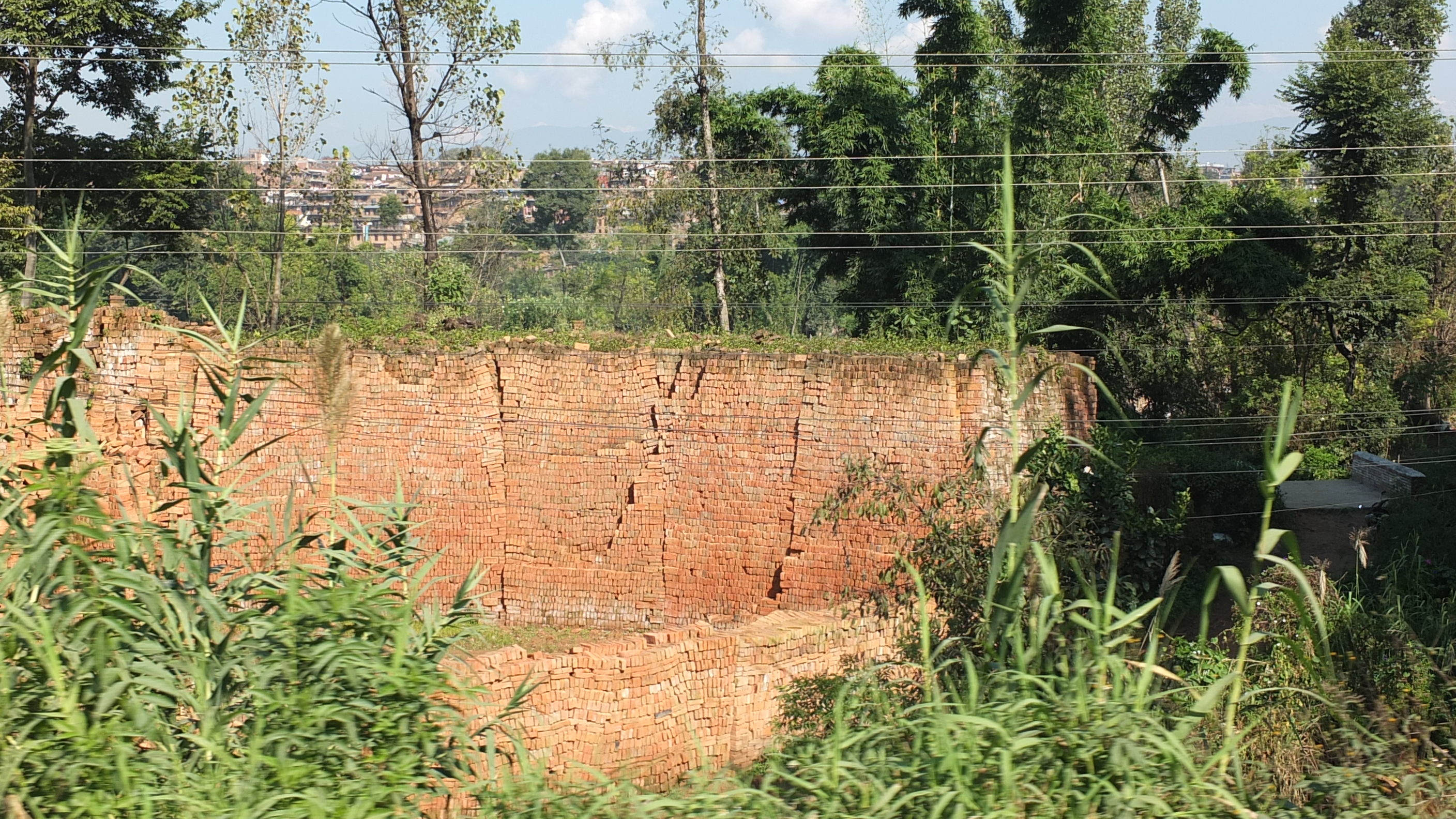
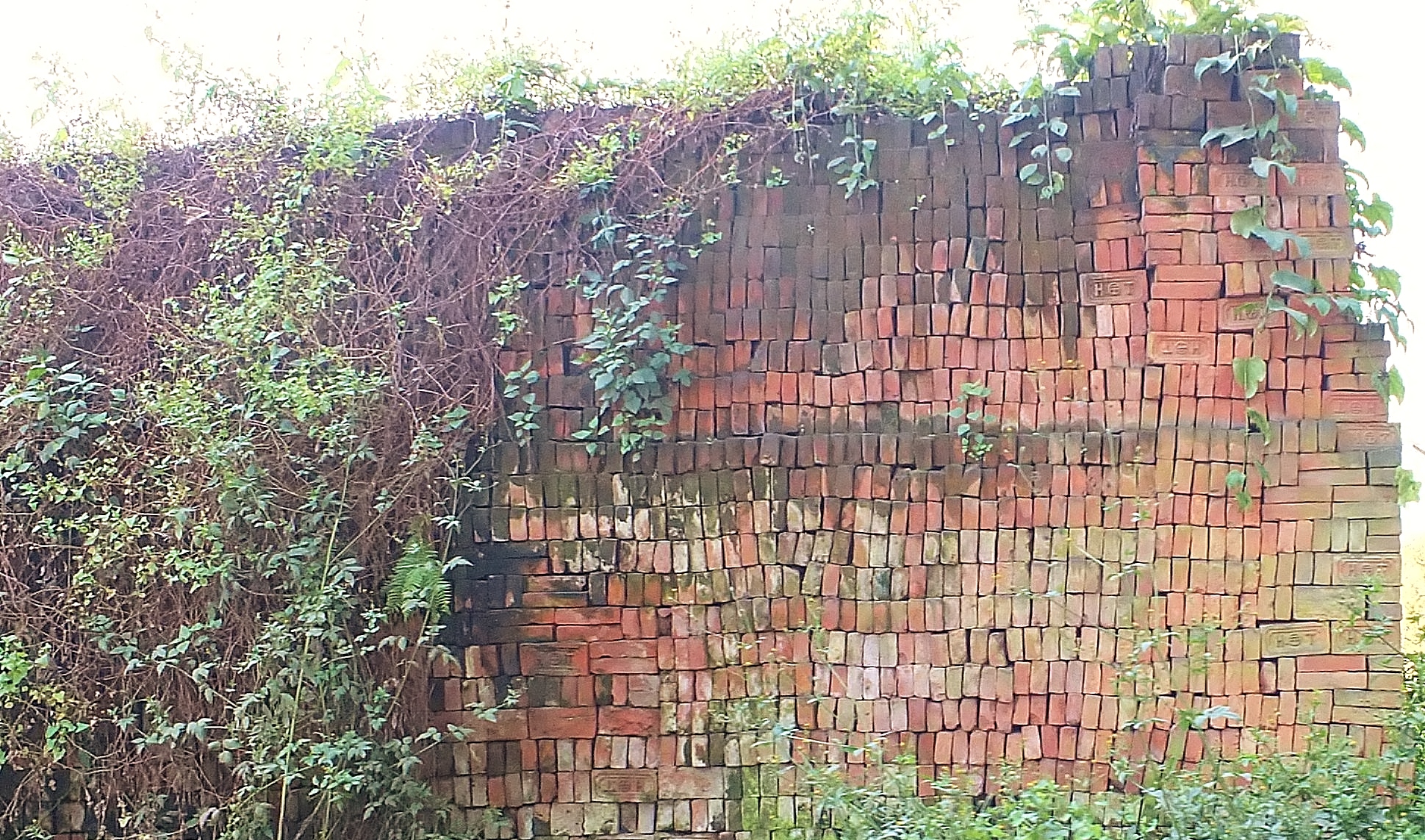
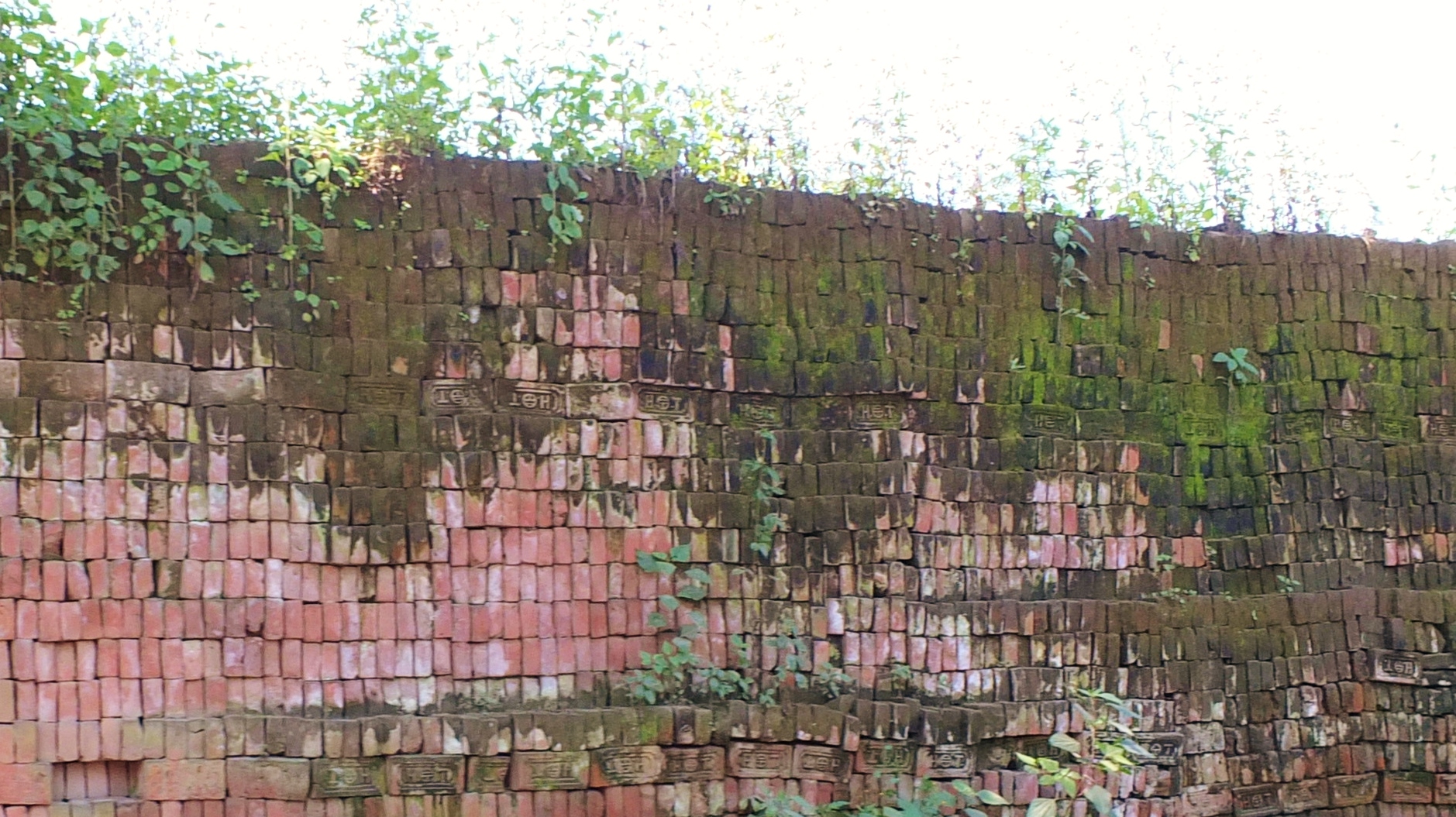
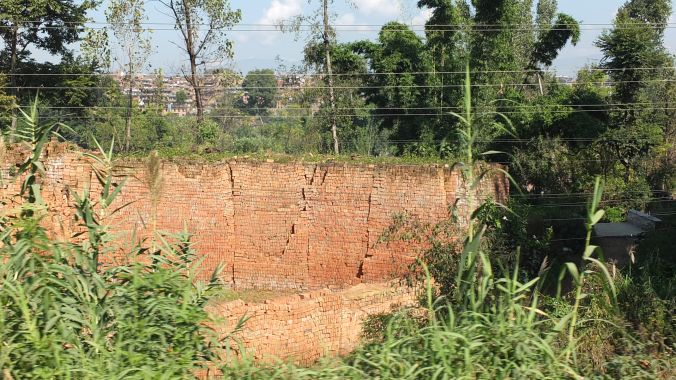
Lastly, a tangent thought:  When is a brick wall, not a brick wall?  When it is a pile of bricks waiting to be sold.  Here are some brick “walls” that have been sitting for way too long, waiting for a buyer….constructed, I think, by someone a little too enthusiastic about the brick market or his talent to sell them.
DSCF7335


DSCF7558


DSCF7557

Weekly Photo Challenge: Wall


Holi and Hip Hop


I just returned from an unseasonably cold visit to Tansen, Palpa, a relatively remote town in the Himalyan hills.  When I say cold, I don’t mean freezing, sub-zero temperatures like the US East Coast is experiencing right now.  But a shivery, bone-chilling cold in a concrete hotel with very little heating.  Bedtime was a frigid affair, but with a hoodie, thick socks and a hot water bottle I slept well even though I could see my breath in the room.  “Cold” can be relative.

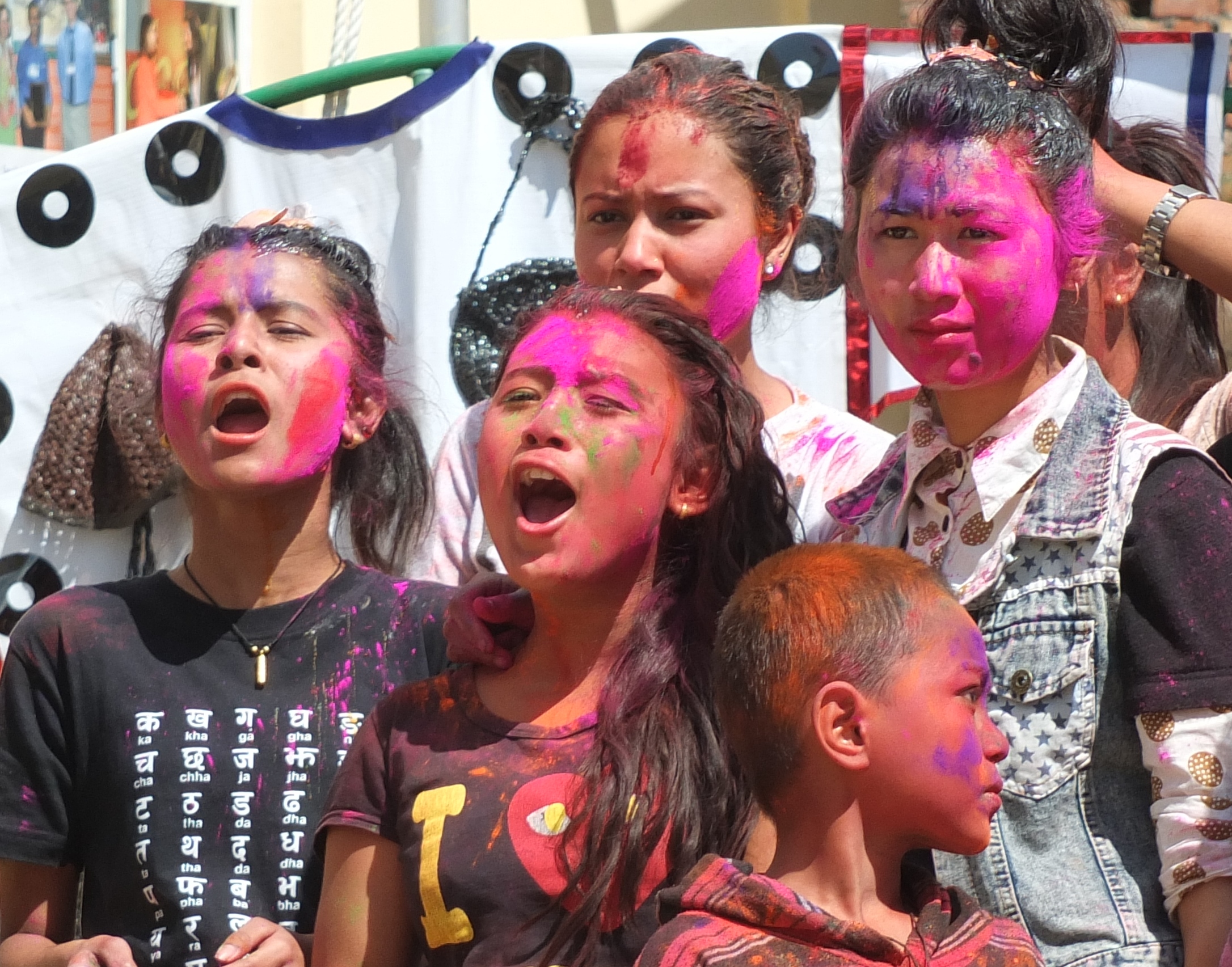
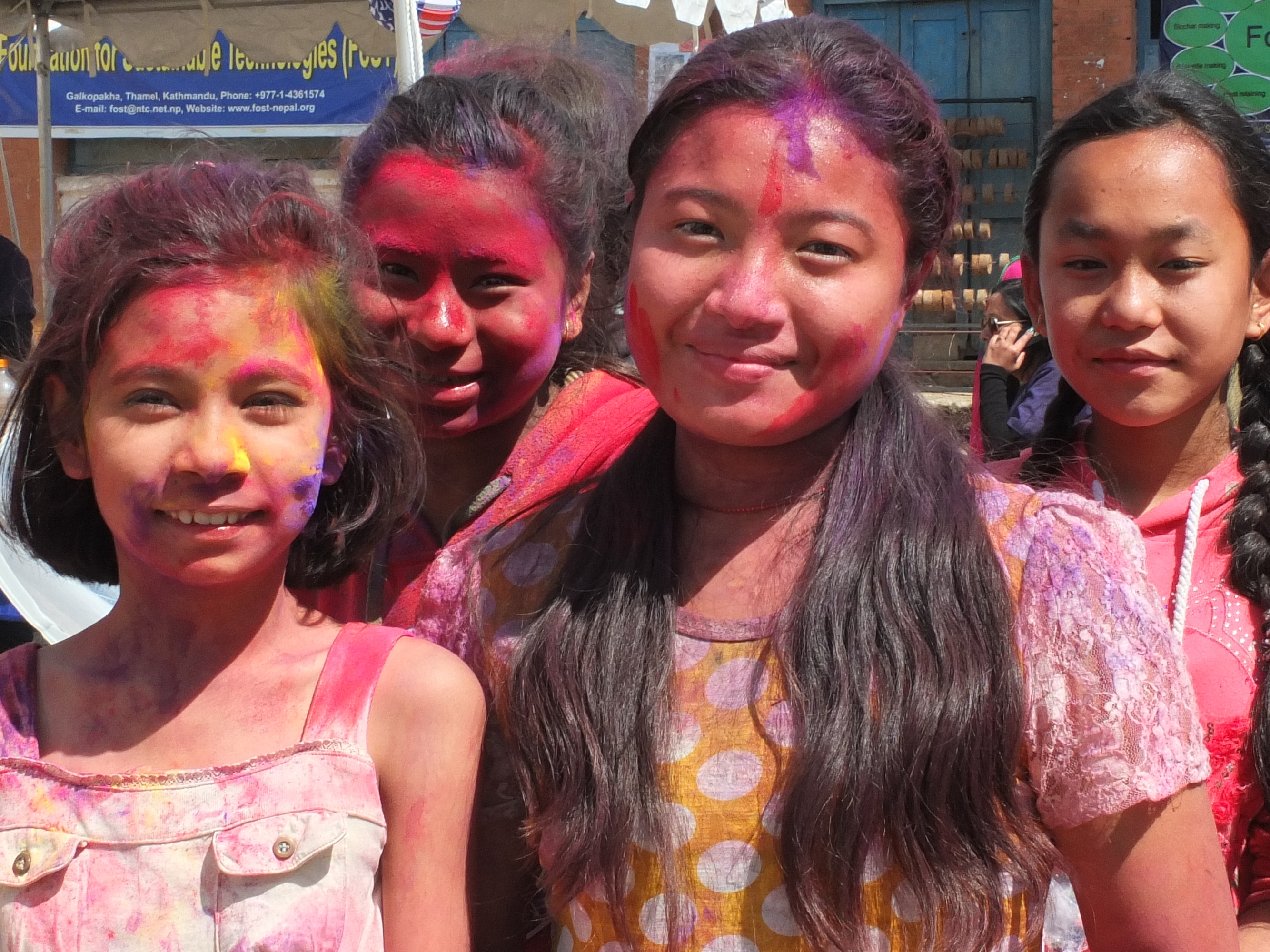
However, yesterday afternoon the temperatures were back into the high seventies and the sun shone.  Our work event welcomed crowds of students and local children, many of whom were splashed with colour in celebration of Holi, the annual Hindu celebration known as the festival of colour.  They very kindly didn’t spray me, and made a very colourful audience for our Hip Hop dancers, the highlight of my morning.  Here’s a little Hip Hop and Holi…an unlikely combination….but one that worked pretty well!

S0731489

Whoa!

Holi Colour

Colourful faces of Holi

nepali breakdancers

Holi 2015


Reward: Elephant Candy


Nepali elephants enjoy elephant treats as a reward now and then. Although they are called “elephant candy” they are in fact healthy bundles of chickpeas, rices and other grains wrapped in handy hay bundles that elephants can just pop in their mouths….which they do as often as possible. The sneaky ones tear off the straw, spit it out and just eat the goodies inside…just like kids who only eat the cream filling out of oreos ;o)

DSCF2446

DSCF2433

DSCF2435

The Daily Post: Weekly Photo Challenge: Reward

30 Seconds: Bead Market


The Bead Market is in the central area of Kathmandu and kind of tough to visit as the traffic can be really bad in that area of town. But its worth seeing the riot of colour and to watch the necklaces be made or altered right there in front of you. Lots and lots of choices, especially if you like green, red and gold! Looks Christmas-y to me, but the colours are a symbol of martial status here in Nepal. Enjoy!

30 Seconds: Kathmandu Dhurba Square


There are three Dhurba Squares in the Kathmandu Valley: Kathmandu, Patan and Bhaktapur.  All three of them are World Heritage Sites for good reason. Continuing my theme of 30 second videos – here’s a quick glimpse of the amazing Kathmandu Dhurba Square: