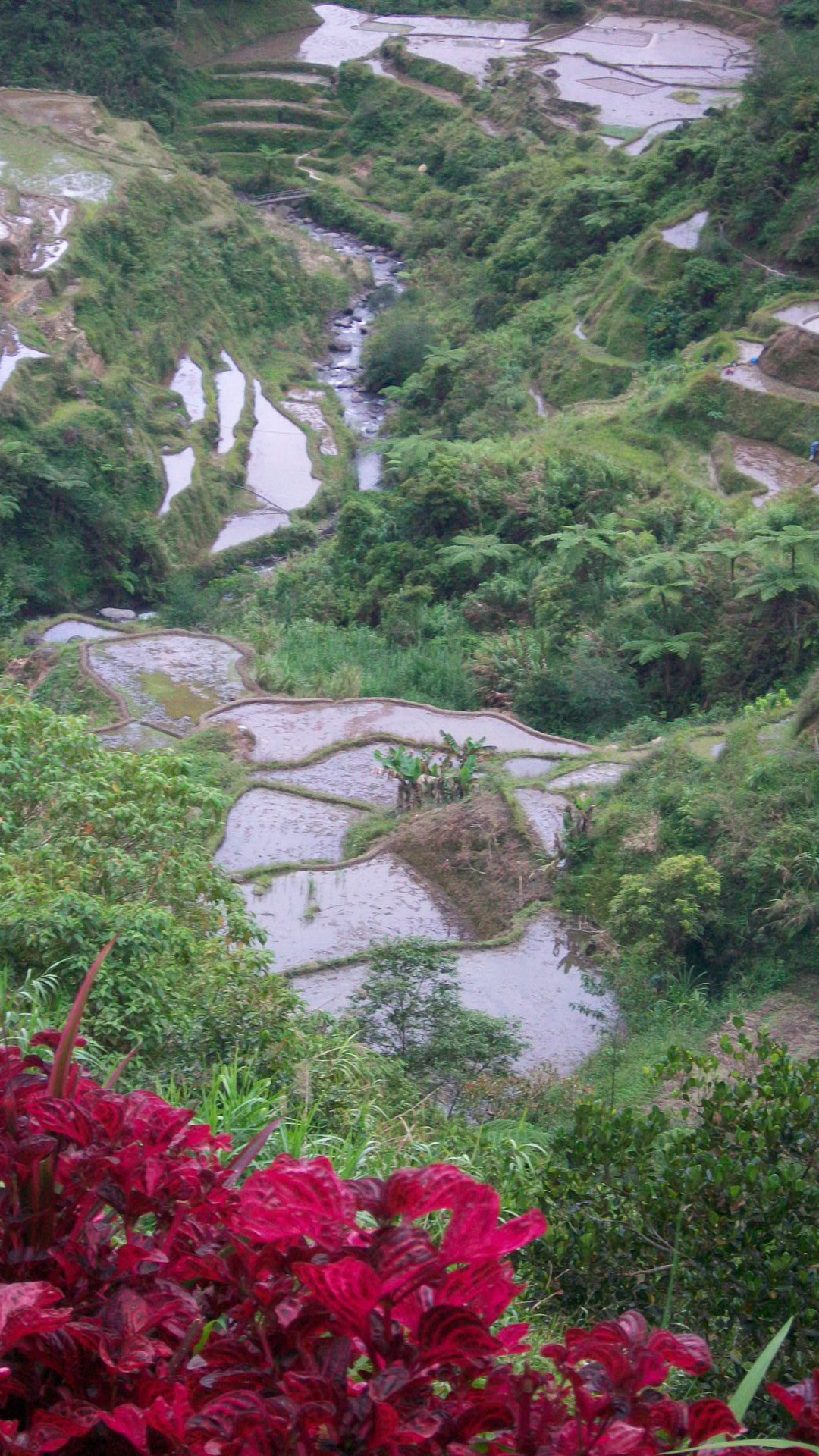
Palawan Adventures: Part 1 Getting there


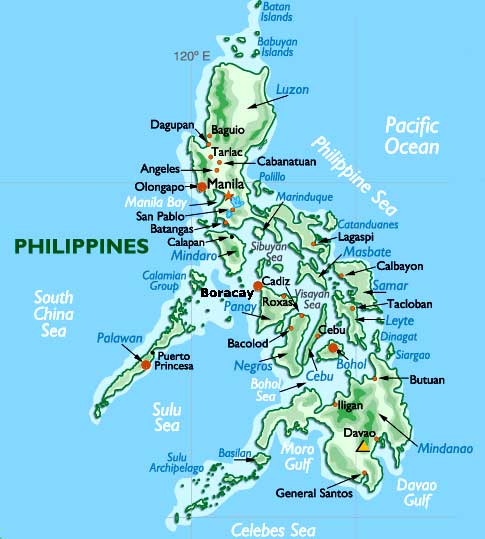
Palawan is the long skinny island in the Western Philippines and just over an hour flight from Manila.  It is considered one of the last remaining virgin jungles in the country and was one of our “must visit” locations during our stay.  It is very undeveloped, with only coastal roads, many of which are just mud tracks and impassable at times.  Jeepney’s run all over, but the going is slow.  Our northerly ride from the capital of Puerta Princesa to Port Barton was about 3.5 hrs.  To travel north further all the way to the Northern Tip of El Nido was more like 6 hrs.  Travel in the less developed South even slower.

Getting to Palawan has been a multi-stage journey, which started actually deciding what our experience would look like.  After my earlier convoluted explanation of how we came to find a rental home in Port Barton for our next great escape, we booked it for Easter, staying for a week last month, and had a fantastic time. It is considered one of the last remaining virgin jungles in the country and one of our “must visit” locations during our stay.  Latham brought his friend, Rob, and Robert’s sister, Helen, joined us too, having just arrived from North Carolina just a few days earlier.

The next stage of getting there, after the plane ride, was the long ride in the air conditioned bus.  Our journey was interesting though, and the time passed quickly.  We stopped at our supermarket to load up with food, which we packed into the coolers the housekeeper sent down with the van.  (Smart).  She had put a few cold drinks in the cooler for us, to help us manage the heat (even smarter!) and we set off out of town.

The main road as far as our turn off was tarmacked as the going pretty easy.  But once you make the turn onto the Port Barton road, it is dirt track all the way for the last hour.  It rains so frequently and heavily that any maintenance work on the road is quickly worn away.  Here’s a little taste of the rougher patches:

Port Barton was small and charming, and we had more cold drinks in the shade while we they loaded our things into the small banca that would take us to the house about 20 minutes up the coast.  The muffler on the boat was broken and the engine made a horrendous sound, so they handed out ear muffs to drown the noise.  The boat took us past fishing boats and tiny communities consisting of little bamboo shacks, and eventually landed on a beach with one small house, waiting for us:

The house was perfect.  Located right on the beach, with a sand path leading to the door.  The layout was simple, but comfortable.  Each bedroom had a small fan, but the sea air was cool enough so most nights I didn’t need it on.  We spent most of our relaxing time either sitting on deck chairs on the beach, or sitting on beanbags on the small gazebo nearby.  At night we played board games with the boys.  There was a TV, but, mercifully, no-one turned it on.  We had a wonderful housekeeper, who cooked meals, washed up, and made beds.

Helen enjoying the view

We cooked when we wanted to, and she helped with the prep.  It was so relaxing to make a marinade, or top and tail beans on the beach, and come back to the kitchen all cleaned up and ready for the next round of culinary activity, reading a chapter or two between bouts of effort.

Teenagers know how to relax

A Place in the Sun


One of the best things, and one of the most challenging things about the Philippines is the lack of development.  Before we came here, I was excited by the fact that there are so many fantastic beaches and beautiful places that haven’t been spoilt by tourism.  Any place in the US or Europe that has been recognized for something beautiful or extraordinary has been “developed” to accommodate tourists and, hopefully, protect it  from the vacationing hoards to some extent or another.  Here its another story and one that taught me a more comprehensive view of my expectations when I travel. Undeveloped sounds fantastic because it means no crowds, no tacky tourism, and no limitations on what you can or cannot see.  All of these really appeal.  I am happy to explore with no airconditioning, no ice cold drinks with umbrellas and without a tour guide to show the way.

However, the flip side of undeveloped also can mean a lot of other things, which I’ve learnt are significant negatives for me.  Inexpensive hotels on idyllic beaches can be mean toilets that don’t flush, locks that don’t lock, cockroaches and worse.  It can mean a tourist free-for-all, where locals hungry for business, compete with one another to get tourist dollars from the few that visit, and leave the visitor feeling scammed or short-changed, not to mention the damage to the environment.  Development along with regulation (if enforced) is not always a bad thing.

So this left me searching for something in the middle. Where to go that was beautiful, where we felt safe, away from the masses, that really felt like we were experiencing the Philippines?  And there are plenty of beautiful resorts offering just that.  Stunning places with individual nipa huts in the water, amazing hotel rooms, or beautiful private islands.  Luxury, comfort, and a waiter with a tray as you drink in the stunning view at your window.  But it comes at a price.  These places start at about $300/night and go up into the thousands.

But it just seems too excessive to me.  Not just financially in a world where people live on a few dollars a day, but also in terms of what we really need to be happy and relaxed.  In a beautiful place, I just want peace and quiet, a little shade, some pretty water to swim in and a comfortable chair to read my book.  Yet the options for this, are few and far between.    Most places are either very inexpensive, barely functioning local accommodation, or international, glamorous resort chains at high prices.  Middle-of-the-road places do exist, but you have to hunt them down.

So, for our filipino travel experiences, I have been on a quest here to find somewhere that is our place in the sun, where we can enjoy some time off in the right place, at the right price.  Our Boracay experience is a good example and one that was partially successful.  But the fact remains that Boracay was just too crowded and commercial for us and that we needed something simpler and quieter.

So after much internet  browsing, I stumbled upon the idea of renting a beach house in the Philippines and found just what we were looking for…a small house on a quiet beach on the island of Palawan.  We booked it in November for Easter (yes you need to book that far ahead) and last month stayed there and had a fantastic time.  Post to follow!

And for anyone reading this that thinks that all of this is ridiculous, and that we are very privileged to experience any of it – good or bad – I would have to say, you are right.  We are.  A lot of it is justified in my mind as a trade off for the difficulties of Manila life and a way to get a little fresh air back into the lungs.  But please don’t judge too harshly.  You too may find yourself screaming and shouting at bad drivers, horrible traffic and ridiculous bureaucracy after too many months. It gets to you. Its the little breaks that help keep the privilege of the Filipino experience in perspective.

Buried Churches and Bats….Spooky!


Guillermo Church. Not a recent picture, but a really good one that shows what lahar can do to the countryside and whole villages. Look how deeply the church is buried!

Recently we visited Pampagna on an all day excursion, taking in churches, traditional food and a lantern festival. About 2 hours north of Manila, its the home of the still active volcano of Mount Pinatubo.  When it erupted on 15 June 1991, lahar flowed from the slopes of the volcano onto the surrounding countryside, burying everything in its path.  The massive eruption and subsequent destruction was devastating and one of the most powerful volcanic explosions in recent years.  Towns were completely wiped out, and the landscape was changed radically.  Over 20 years later, you can still see evidence of the explosion in just the grey ash colour of the soil, not to mention the property damage and strange elevated roads.  Among the many half-buried buildings that still stand is the San Guillermo Parish Church in Bacolor, which we went to view.  I cannot find my SD drive with all the photos, so I will have to make do with descriptions, which is a real shame as the photos were great!  (I blame the cat, who probably batted it and chased it from my desk to some remote dusty corner of my office.)

The townspeople excavated the altar and the retablo after the volcanic eruption and relocated it under the dome in order for the wooden retablo to fit.  And clean up and other repairs were done, of course, but the main church still remains half-buried in the ground.  IF I had pictures you could see the main entrance to the church is now through the first story windows and the altar now sits under the eaves.  The congregation sits looking down out of half buried windows, and bats fly occassionaly around the altar.  (I saw a colony of them nesting high up in the ceiling.) It was literally, bats in the belfry….and very weird too.  You can see where the expression came from.

Other than these oddities, its business as usual inside the church.  Its decorated, clean and cared for.  There was a baptism while we were there.  Everything is just a little higher than normal.

We are planning another trip to Pampagna next month.  This time to visit the slopes of Mount Pinatubo’s crater and to swim in the crater lake.  So more on Pinatubo to follow…. (hopefully with photos next time.)

Latham’s Shiphrah Birthing Home Film


Shiphrah Birthing Home is one of the local charities supported by the US Embassy Club here in Manila.  Shiphrah do an amazing job of helping the working poor with pre- and postnatal care for pregnant women, including delivery of the baby.  They have done an amazing amount of good with very little, for a long-time, renting a property for over 15 years to use as the birthing home.  Recently, they have agreed to purchase the building and have been fundraising for the purchase price.  We haven’t been able to attend their fundraising dinners, but we were able to help out a little with publicity.  Latham made a short, informative film about the work that they do.  Hopefully it will help them get the word out about Shiphrah, Latham was able to get high school community service hours for his efforts, and I had the privilege of learning more about who they are and what they do.  Please take a minute to watch.

Ship Visit


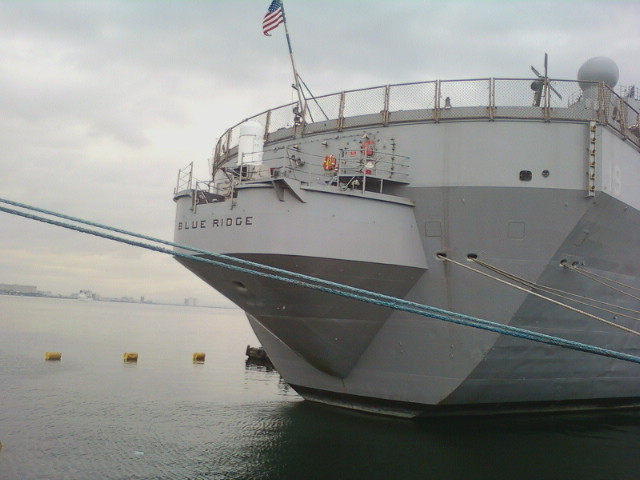
Yesterday was a very long, hot day for me, standing on the Manila docks.  The USS Blue Ridge was in, and on a busy schedule of media and community events.  Embassy personnel have the opportunity to tour the ship and I helped out with the buses and strict lists for who can board the ship.  Its been years since I hung out for hours on hot, smelly docks watching all the activities.  Fortunately they provided us with a tented area and cold water.  I took an umbrella for sun and rain protection, although both both never really made an appearance.  It was just hot, humid and a bit pungent around there.  It did bring back memories though of our cruise ship years, and sitting waiting for ships to arrive in the strangest of places.  All docks seem to have the same look and smells though…and Manila was no different.

I wasn’t able to board the ship because there was always a reason I had to be dockside, although 99% of the time I just sat there.  Sitting and watching the world go by on the docks can be sort of interesting in a relative kind of way.  (More interesting than -say – watching paint dry!)  And I did see scores of US sailors returning from shore leave, hauling all sort of different treasures that they had bought from nearby Mall of Asia.  The passenger ferry next to me had a full wash along the port side, dozens of trucks filled its belly and by the time I was ready to leave, I watched hundreds of passengers board the ferry for Dumagete, (our Christmas destination, although we will be flying).  Not a day to recommend as a good day out, but an interesting slice of life nonetheless….

My Forever Disappearing View….


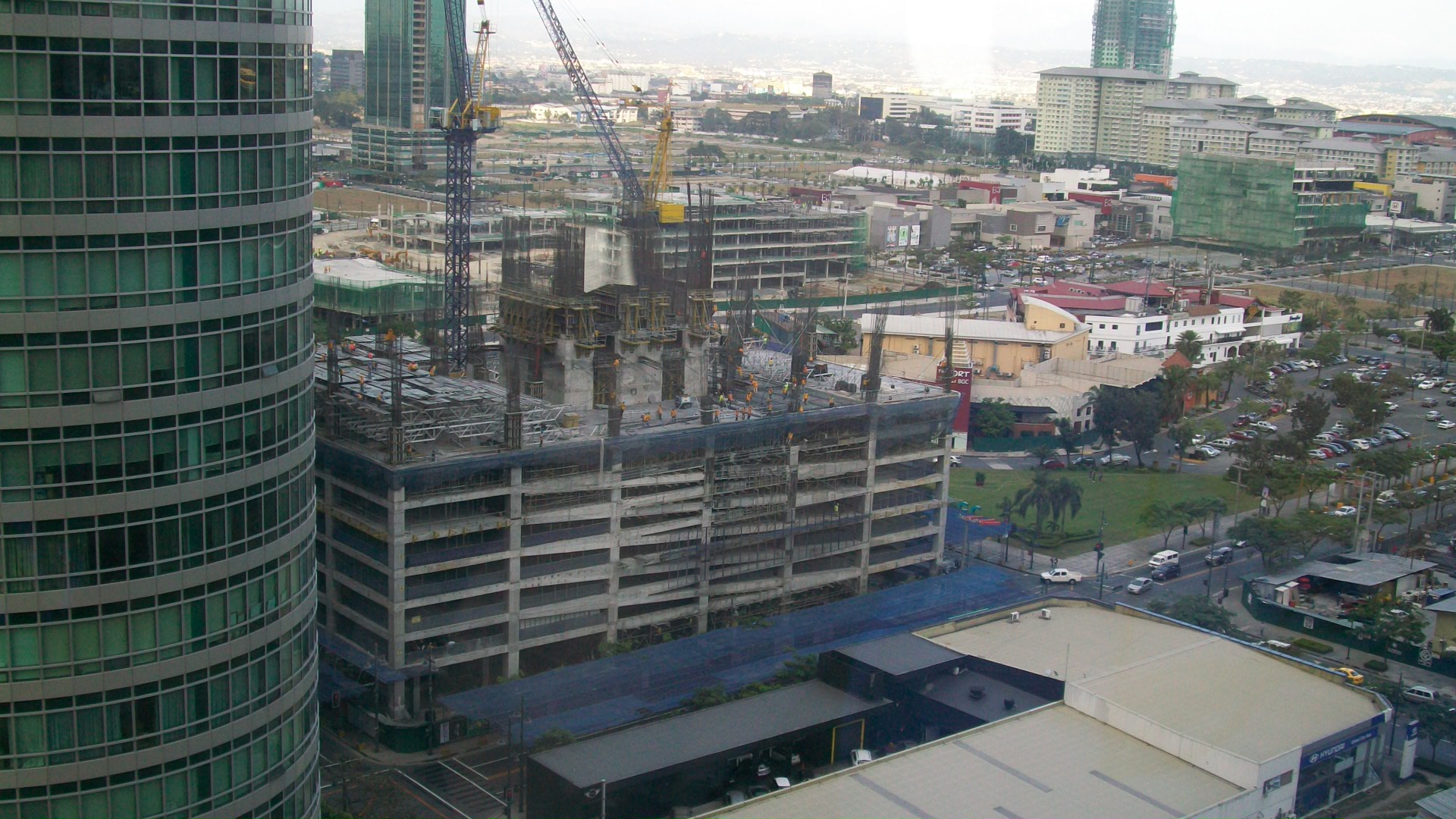
Whether I manage to blog or not.  While I sleep or while I eat.  While I watch or while I completely ignore it….the construction goes on.  Glimpse for a moment the view from window shown below at three earlier points in the last year or so:

December 2010

December 2010

Feb 2011

September 2011

September 2011


Now 16 months after our arrival, this is what’s left of my view:


March 2012

March 2012

A narrow crack between a bank and an office building.  That sneaky building on the right has edged its way up and up so it is now taller than the camouflaging building that it hid behind before.  Wonder how high it will go? Of course, if the car dealership in the foreground decides to sell out, it won’t matter.  The entire view will be gone.  Period.  However for the time being I can still see a strip of mountains and some of the Fort.  And even if they decide to level the car dealership tomorrow, surely there isn’t enough time to demolish, dig a basement, and build 20 stories to entirely block my view…is there?

Banaue Public Foot Bridge


Not sure if it warrants its own post, but it was kind of interesting and didn’t fit into any of our other tales….  so meet Banaue’s unique footbridge, which cuts off a good 20 minute walk from one side of the town to the other- by going directly from A to B — via a very large rice paddy filled ravine.

We first spotted it on the map on the day we arrived, and set out (in the wrong direction) to find it.  We, of course, failed and tried a second time that evening.  Failed a second time too…this bridge was well hidden…  However on our return visit, a third try was successful when we nipped down an alley next to the police station and caught site of it.

It was well used.  We watched locals move swiftly and deftly over the metal bridge, which swayed quite considerably with all the use.  We looked at each other to gauge whether or not crossing it would be a smart move.  After all the footing looked like this:

I remember thinking that the odds it would collapse the one time I used it were pretty slim, so we ventured out onto the rickety construction.   If Indiana Jones can do it, so can we!  With all the people coming and going, and the slippery, inconsistent bridge floor, I just couldn’t bring myself to use less than two hands and I certainly wasn’t going to take the camera out and take pictures.  So I did the best I could to capture the bridge from the safety of the other side:

Wow, did it ever buckle in the middle!  It wasn’t just the vibration from walking or the swaying of the wind.  The whole metal construction had warped, so midway you had a very distinctive sense of leaning to the left.  Scary stuff.  We arrived on the other side, just a little glad to be alive.  However, we were then faced with the reality as everyone else, now you’ve gotten there..you’ve got to go back (or walk 20 minutes around).  So back we went again – I mean, what are the odds, right?!

Caving in Sagada


Well camouflaged and hard to see, but the coffins are hanging midway down in the centre

Our trip to Sagada was part two of our travels in Northern Luzon last month, which I am unfortunately only getting around to writing about now. Sagada is about a 3 hour drive north from Banaue.  Its not really that far, perhaps about 50kms or 30 miles, but the roads are long and windy along the edge of the mountains, and a fair section of them are unpaved, or partially paved, so it takes much longer to go a short distance.  Originally we were scheduled to leave early the next morning to do the bumpy drive to Sagada, and then do the same 3 hr drive back to Banaue at the end of the day and then immediately take the 10 hour night bus back to Manila.  Sounds exhausting, right?  So with a little negotiation, we managed to turn our 3pm arrival back from the rice paddies into a 4pm exit for Sagada and started the journey out of town.  All went well until a flat tyre en route, which was fixed pretty promptly, but the 30 minute delay meant we arrived in Sagada after dark.  After quickly finding a room for the night, we managed a quick dinner before a local restaurant closed.  The hotel was reasonably clean and the room big – or “too wide” as our hotelier had warned.  We were the only guests in what had once been a fairly fancy governor’s house.  Of course, the obligatory visiting cockroach just had to make an appearance, but this time I got him with my shoe!

Early morning Sagada had plenty to see.  The Saturday market was in full swing selling everything from vegetables, to pig heads, to household items.  Fresh local yoghurt seemed to be the thing to have, judging from menus on different walls.  So we enjoyed it with fresh fruit, and very good it was too.

We were meeting our guide at 8.30am at the tourist office, but were still pretty vague about the day’s plan.  Caving and hiking in some sort of mix, we hoped.

Sagada is famous for its hanging coffins.  The local tribes didn’t believe in burying their dead, so they hung the coffins off the sides of mountains allowing the deceased spirits to be free.  Sort of a nice idea actually, unless you’re the person assigned to get the coffin up there.  Goodness knows how they managed it.  Our guide explained that it was a community effort, starting with a long procession.  The coffin was carried to the site and everybody participated in raising the body up to its precarious resting place.
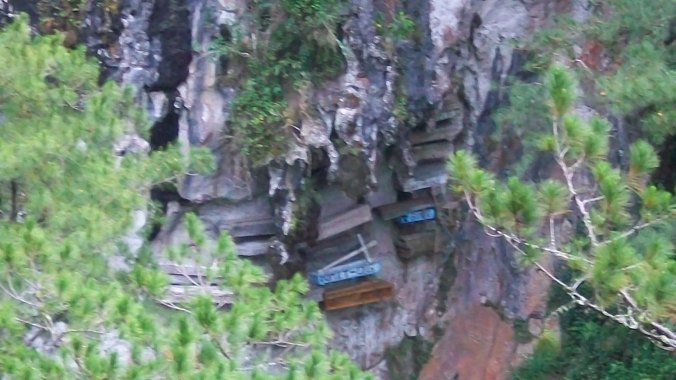
Wooden coffins camoflauging into the cliff face

The alternative to a cliff-side burial was a cave burial.  All over the countryside around Sagada are numerous burial caves, their locations kept secret.  But one or two are opened for tourists to view and our guide took us on a short hike to one of them.  This particular cave had many coffins piled on top of one another.  As our eyes adjusted to the light, more and more coffins appeared.

Most were shorter than the average human height because the dead were buried in the foetal position.  However, I noticed that some were a more standard shape, and our guide told us that coffins had also been brought in from different locations.  Coffin construction was simply a hollowed out log with a plank lid, held in place with a wooden toggle.  From the side, all piled up, they kind of looked like funny faces.

While we were discovering the coffins, at the back of the cave we watched a group of people gather with headlamps, kerosene lamps and ropes.  Our guide explained that the group were going to do the cave connection – a 3-4hr underground scramble from this cave to another one a few kilometers away.  I was curious.  I would sort of like to do that next time, as long as it wasn’t too taxing.

The stone steps at the cave entrance…about as far in as my camera would register

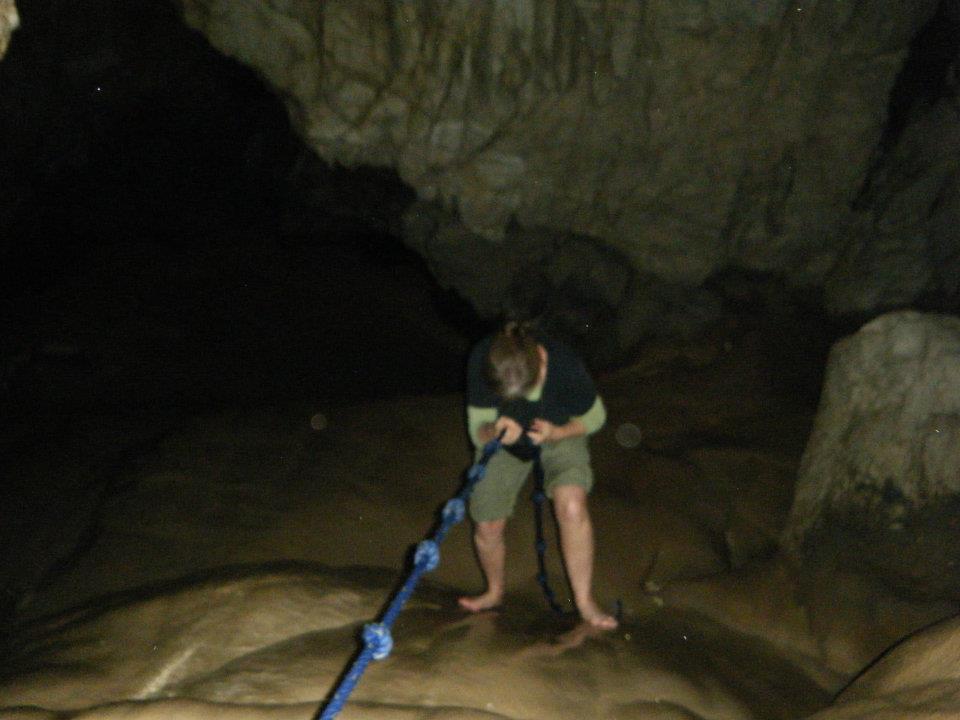
Our guide had a kerosene lamp too.  A big one – about three times the size of the usual kind you might use as dinner table lighting.  He explained that we were going into the cave and that after a while the steps would stop, and we would have to scramble over rocks to descend.  All the while, neither of us really knew what to expect.  I thought perhaps were being taken into a chamber to be shown a few stalactites and stalagmites and we would take pictures and come up.  We had in fact booked to go hiking, so at this point who knew..   Down and down we went in the dark, lit only by the kerosene lamp.  At the rear, Michelle was having trouble seeing the next foothold if the guide went a few feet too far ahead.  My all-terrain river sandals were quickly dubbed “no terrain” sandals, as I felt the potential of every step as a slip.   Sure enough, the stone steps stopped and the rocks began.  We descended into a chamber.  Our guide held his lamp above his head and we looked up.  You could sort of hear a high pitched noise, but the bats were so high you couldn’t make out individual animals, just masses of bats clumped together.  We descended further down and the smell of bat urine filled the air.  I tried to grab rocks without bat shit coating them, but it was slippery (because of said bat shit) and I grabbed what I could.  Better to be slimmed than fall…  We went down further and further.  You could hear voices and giggles from other cavers further down and the sound of running water.  Next our guide told us to remove our shoes.  We had now crossed the limestone and marble rocks and had arrived at the polished sandstone that was easy and safe to walk on with bare feet.  We walked through pools of cold cave water and Michelle took pictures of weird and wonderful rock formations.

Standing on a sandstone boulder in a rock pool in front of “curtains” – one of the amazing rock formations we saw.

Rappelling down a boulder with a rope. The only caving “convenience” on offer during the whole caving experience.

On the other hand, as my camera flash was dead, I managed to take zero pics.   So without Michelle’s blessing I am stealing borrowing some from her FB page to bring this tale to life. Thanks Michelle!

We were in the cave approximately 2 hours and descended about 200 metres.  What made this cave experience unlike any other was that it was left completely natural inside. No gravel path ways, signs, concrete steps or taped music.  And no lighting….save the kerosene lamp.  Michelle had actually had the foresight to bring headlamps on the trip but then left them in the jeepney!  But that always seems to be the way with these adventures.  Its hard to know what to prepare for, what justifies the extra weight in your pack, and what to actually take out for the day.  But that’s part of the adventure I suppose, the unexpected!

Banaue and Batad Rice Terraces


While other people were settling down to Valentine’s Day dinners, my friend Michelle and I set out on a 4-day adventure to the romantic rice terraces of Banaue and Batad.  Taking the 8-9 hr night bus from Manila to the Northern part of Luzon was not something we were looking forward to very much, but was the only real choice if we wanted to see the spectacular terraces that the Filipinos bill as the 8th Wonder of the World.  Pretending to sleep upright on cramped seats we drove through the night until the 8am arrival in Banaue.  With a tad more energy than expected, we had the day free to explore the town, grab a quick nap, and take a short tricycle ride to the rice terraces viewpoint.

The terraces were everywhere and lived up to the many tourist posters that you see all over the Philippines.

From one of the viewpoints, they actually pointed out the view that is printed on the back of the 1000 Peso note.

That evening we ate an early dinner at the Greenview Restaurant, struggling to stay awake past 8pm.  Both lunch and dinner had been pretty good…fresh vegetables and decent choices that quite honestly I hadn’t expected in a such a remote area of the Philippines.

The next morning our guide picked us up and we transferred to Batad, via private jeepney, a journey of about 14kms.  With only partially paved and winding roads, unexpected roadworks and other obstacles, the bumpy journey took over an hour.  Our guide dropped us at the trailhead where it met the national road and we started our 45 minute descent down to the village of Batad.  An easy ramble. The biggest hiking challenge to date had been trying to get reliable or complete information on the kind of trails and hiking offered in the area.  Most of the guides and tourist offices have their preferred packages and it was hard to ascertain what was really being offered and whether or not we wanted what something different.  The fear was that hiking wouldn’t feature enough on the agenda and this easy walk made us a little suspicious that we might be right.

When we arrived in Batad we found it unspoilt, simple and charming in its own way.  It was a bit like stumbling on a secret place, a very small hamlet with about 30 buildings, a couple of hotels and restaurants and a handful of hikers.  The view from every position was of the rice terraces and we had an early lunch at our little pension and enjoyed it from their terrace.

View of Batad village

Al Fresco squat toilet (with views of terraces)

The accommodation itself was described as “basic”, a word which means different things to different people.  Here is meant a communal bathroom with no hot water; small rooms with only a bed, door and plywood partitions; ceilings that didn’t quite touch the walls, and a little wildlife (read: night time bugs and a visiting cockroach in our room.)  Not for everyone, but everyday living for millions that I could surely tolerate for one night in exchange for a rare opportunity to see such a special place.

In the afternoon we headed out for 2-3 hour hike to the Tappia waterfall.  I had been warned that it was a tough hike, and having not done any real hiking since 2010 in Arizona, I was feeling it!  We walked along the terrace walls, descending down the stone steps that helped workers travel from one terrace to the next. Up close we could see the rice paddies in their various stages of development.  Most were unplanted at this time of year, but many had nurseries with young seedlings ready to prick out in the flooded fields.

Nursery of young verdant shoots ready to be planted

Some were already planted for the season, and some were abandoned.  (Volunteer restoration is ongoing now to save some of the abandoned terraces that are starting to collapse.).  Once we reached the saddle and, after a short rest, we descended the steep slope on the other side of the mountain down to the valley floor.  Tappia falls came into view and I wobbled down the last 200 meters of steep steps as my legs started to seize up from 500 steep steps down.  We rested for about an hour to enjoy the water and cool down.

As you can imagine, the hike back was hard work, but actually a bit easier than the descent, helped by the rains that started as we began the trek back.  Beautiful views, a challenging hike and the satisfaction that we got to actually experience the terraces close up.  A wonderful experience.

Wild pink flowers grew up randomly on the terraces

I’m Dreaming of a White (Beach) Christmas….


Firstly, I know I got this a bit backwards – its usually Christmas before New Year I know- but it the spirit of my earlier mid-year resolution to hold consistency over perfection – here it all is and who cares about the order, right?!

We spent Christmas week in Boracay, world-famous for its 2-mile stretch of perfect white sand beach, crystal clear waters and beautiful weather.  And very beautiful it is too.  Here’s a classic promotional shot of the beach:

And it does look EXACTLY like that with two provisos:  this is the far end of the beach past all the noise and hullabaloo which we much preferred …and the sun needs to be shining to enjoy the blue skies and water.  It wasn’t when we arrived.  Christmas weather was overcast, gloomy and rainy or with the threat of rain.  This was kind of beautiful in its own way and kept the crowds away from the beaches.  It looked more like this:

We were warned it would be crowded at Christmas and it was – despite the weather.  The main restaurant and tourist section (Station 2) was heaving by 7pm and we had to shuffle single file past the shops and bars past slow-walking Japanese women wearing ridiculously high, spike-heeled evening shoes in the sand, every tenacious tourist peddlar known to man all selling exactly the same crap goods, large families with small children, loud crowds of young backpackers on an Asia odyssey, trading locals, Manila Pinoys and everyone else (and their mother)…  It was quite a scene.  We ate early, left early, and returned to our quiet cottage at the far end of the beach.  We were happy to enjoy the chaos for a short time and happy to get away.

After the rains stop around day 3, we explored around the island a little.  Boracay is very small.  A few miles long and less than a mile wide.  On the opposite side of the island is a smaller, quieter beach which is also the side of the prevailing wind, making it a great location for water sports.  When we visited the winds were still blowing strongly for the tail-end of the low pressure, and the kite boarders were out in full force.  It was amazing to see 200lb men taking off into the air like they were paper bags:

We stayed in a small, recently built private villa that was part of a native-style resort at the end of White Beach.  They were clean, new with a kitchen, bathroom, living space and bedroom:

It turns out that the thatched roofs are built in their distinctive style for reasons other than just aesthetic.  When it poured with rain and the wind blew, the umbrella of the roofs kept me dry enough to continue reading on the balcony of back porch.  Sitting outside reading, protected from the rain, watching the storm was as close as it came to experiencing the cosy, Christmasy feeling of watching the snow falling next to the fire…. a bit of a stretch I admit… but Christmas in the tropics takes a little extra imagination….

A beautiful place.  But next time I think I would prefer a smaller, beautiful beach (I hear there are many) and less people.  Working on that for Easter.