C is for Coffee Culture?


Sometimes the coffee at work is really this bad!

Sometimes the coffee at work is really this bad!

Before we came to Jamaica, I had heard of their world famous Blue Mountain coffee and was excited to try it.  My first cup was at a small coffee chain called Cafe Blue in a shopping mall close to the Embassy.  It was very popular spot and it was hard to find a table, but I managed to find a seat in the Starbucks-like cafe and I tried my first cup.  I was surprised at first how mild it was and a little weak too, I thought.  I’ve always drunk strong Ethiopian-style coffee and the Blue Mountain Java was pleasant but it sort of underwhelmed me.  I bought a 1lb of beans to take home anyway, so I could try it in my own kitchen and it grew on me.  I think I brewed it a little stronger than the cafe (sorry Blue Mountain connoisseurs if this is sacrilegious.)  This helped and I developed a taste for the smooth flavour and mild non-acidic finish.  But it is expensive at about $30/pound.  We switched to Jamaican high mountain coffee, which is good –if not as exceptional as Blue Mountain — but a much more reasonable price, and it makes me happy that at least I’m drinking a local product that supports the local economy…but I did ask myself why I didn’t see a real coffee culture in Jamaica?

After all, before international products were easily available as we see now,  local food and drink traditions became popular because they were affordable and that’s what you could find.  Jamaican has a long history of coffee farms, but where are the coffee drinkers?  I don’t mean to say that no one drinks coffee or there aren’t any coffee shops, but there’s a distinct lack of coffee as part of local tradition and I wondered why?

There’s few basic reasons for this that I can see:  Here at $2.50+ a cup its expensive and not an every day treat for most people.  At work, unlike all other countries we’ve lived, there’s no decent coffee available – despite the fact that coffee is one of Jamaica’s most well-known exports.  Therein lies the problem, as its famous coffee is exported for a very high price,  Very little Blue Mountain coffee is available locally, and what remains is just crazy expensive for most people.  Add to that the threats from rust disease, hurricanes and the abandonment of coffee farms in recent years, which have further limited the availability and affordability of the drink.

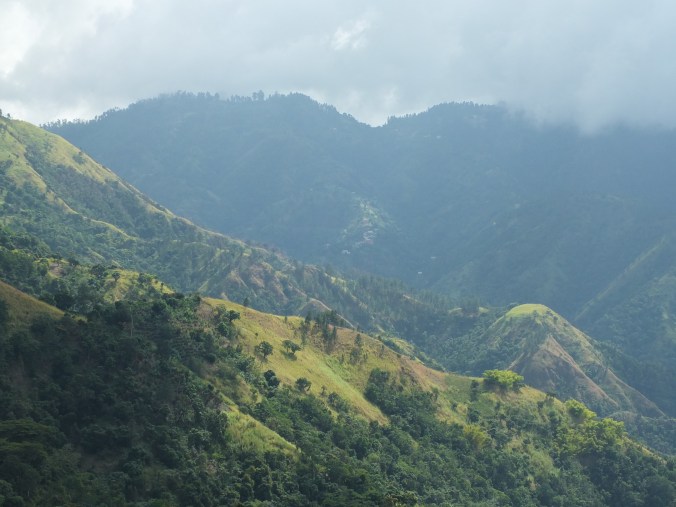
Why can Blue Mountain coffee demand such a high price?    Because its unique flavour comes from the rare, ideal conditions produced on the high slopes of the Blue mountains,  Its expensive because harvesting in that difficult terrain can’t be automated and coffee cherries on the same tree ripen at different times, so harvesting doesn’t happen in one visit. It an ongoing, labour-intensive process, but the result is a higher quality product.  (In some coffee-growing countries, particularly on large farms on flat ground, the farmers compromise and harvest the cherries all at once, but the mix of ripe and unripe beans affects the overall quality. ) Unique conditions, limited terrain, and high processing costs results in high quality, high demand coffee and farms export about 70% of it to get the best price – most of it goes to Japan.

So, here in Jamaica, I don’t really experience a coffee culture.  (Making coffee in my kitchen doesn’t count.)  I miss having a coffee spot at work where you can easily grab a good cappuccino and a few minutes with a colleague.  The black stuff they serve in the cafeteria doesn’t count either!  But I’m sure they’ll be cafes a-plenty in Serbia – probably serving a strong Turkish-style cup.  Hope brews eternal!


B is for Breadfruit


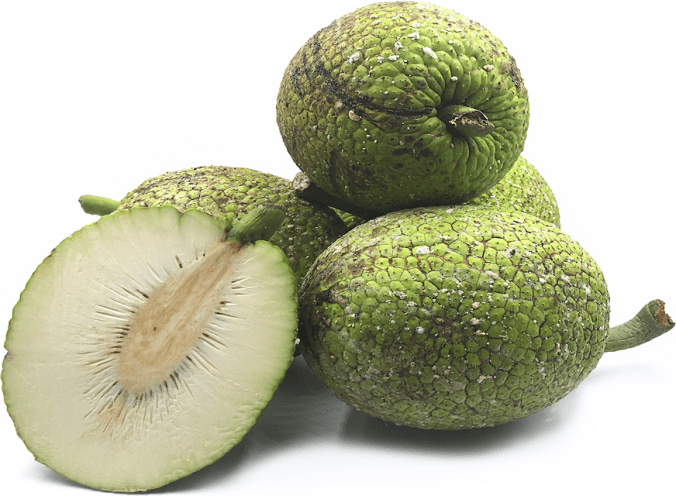
I’ve always associated this strange knobbly fruit with Captain Bly and the Bounty but I had never actually handled one, eaten it or seen one growing on a tree, but I knew it was popular here and I looked forward to trying it.
breadfruit2
In Jamaica they are probably second only to rice as the important carbohydrate content of a meal, although from a little reading I learnt that West African slaves in Jamaica didn’t take to them at first. But the trees grow well here, producing an abundant amount of fruit year round and they eventually became an important part of the local cuisine.

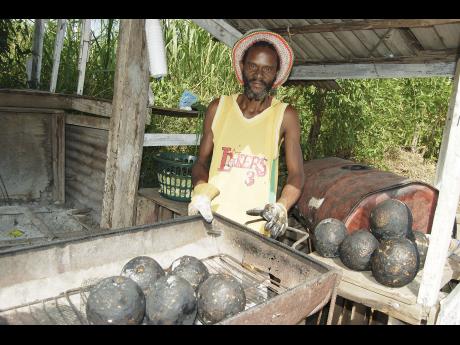
Breadfruit dishes can be roasted, mashed or fried,  but they all start out being cooked on a flame until they are blackened all over.  I really wondered what these guys were doing with their drum barbecues and piles of blackened footballs along the side of the road.

breadfruit3

Whatever were those blackened balls? Now I know…

I have to admit I was really disappointed the first time I tried roasted breadfruit. I didn’t think about “roasted” meaning anything other than crispy, and was disappointed to get a pallid slab of white vegetable that looked (and tasted) a lot like a sponge. I suppose a lot of carbohydrates eaten worldwide — rice, bread, tapicoa — are pretty bland. Its how we use them to eat other parts of our meal. Its how they sop up the gravy, how the remind us of a homemade dinner or give us that feeling of comfort food and a full belly that really make them a favourite. Of course, my experience lacked that connection. I didn’t eat more than a couple of bites.

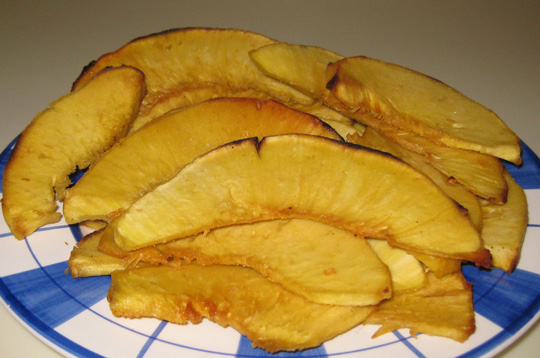
I tried them again fried and like them much better. (I’m afraid that its true that most things taste better fried.) The same pre-roasted slices of breadfruit had been dropped into hot oil and browned, giving me something which was much more like the “roasted” I had expected the first time. An improvement, but not enough to make me seek it out on a menu again.

breadfruit4

Fried breadfruit…better than the roasted!

In modern kitchens like ours with no gas, the barbecue is the only way to cook them and the production involved means that I haven’t had the drive to experiment with the fruit. A little tour of the internet shows me other have been quite creative with breadfruit used in a wide variety of recipes other than just the ubiquitous, basic roasting and frying.

For me, however, all-in-all not a great new culinary experience, but I do enjoy seeing them around and they grow on some very pretty trees.

breadfruit1


A is for Ackee


One of the first things I noticed on the fruit stalls around Kingston was this odd-shaped fruit:

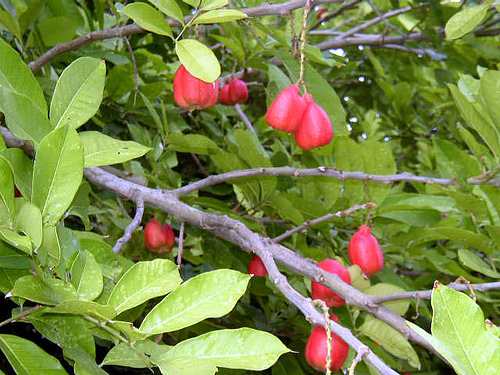
ackee1ackee4

They are easy to spot from a distance with those distinctive black seeds busting out of what looks like an overripe casing.  What on earth were they?  I learnt quite quickly that they are the treasured Jamaican ackee fruit, which is used to make the national breakfast dish, Ackee and Saltfish.  More on that later.

Then I started to notice Ackee trees around town.  The unripe bell shaped fruits hang from trees everywhere.  They aren’t ready to be picked until they split open and the black seeds are on display, as they are poisonous before they’re ripe.  I understand that you can’t buy them fresh (or canned even) in the US as the FDA have classifed ackee as poisionous and even the canning process doesn’t destroy the toxins if the ackee being processed were picked underripe.  However, this is not a concern here as locals know very well how to pick and process them.

ackee2

The trees aren’t native to Jamaica but come originally from West Africa, probably along with the slaves that were also imported from there.  Fruit grows abundantly and can produce a harvest all year long.  I’ve read that the wood is termite resistant, so perhaps that’s another reason that so many people have them in their yards.

Preparation of the national dish, Ackee and Saltfish, starts by removing the fleshy arils from the open husks (taking care to also remove the toxic red membrane) and boiling them until they’re soft.

ackee3

Shucked  arils ready for the pot

The arils look a little scrambled eggs when they are cooked and have a similar mild flavour and texture.  They are mixed with flaked salt cod, onions, tomatoes and green peppers to make the famous dish.  I’ve tried it a couple of times and its pretty good!

ackee5

Ackee and Saltfish – ready for your Jamaican breakfast

News from Jamaica


I’m not sure if its fair to say that life in Jamaica has been the only reason that my blog has been so neglected the last six months.  But it has certainly been a significant factor.  The city is small and much of it is off limits to me, and I feel the fish bowl effect often.  My initial curiosity about the place has not been replaced, as it so many other countries, with a growing appreciation and knowledge of where I am.  The reason why is not a simple explanation, but the subject of a longer blog post for another day, perhaps.  For now, let’s just say I just haven’t made the usual connection with the place.

Glancing back at posts from other places we have lived, I’m amazed how many memories come flooding back from the smallest things and I think that in future years I will regret adding such a small Jamaican chapter here.   To break the silence I’m going to try a vehicle used by others:  A-Z.  Its a way to cover small things that remind me of Jamaica with the alphabet as my guide.  I’ll start tomorrow with A for Ackee…but in the meantime…some news…

The Foreign Service bidding season has kept us busy and we finally know where we are going next.  The news is good and we are very excited to give the following clue on where we will be living next summer:

flag

Any guesses?!


Pelican Brief


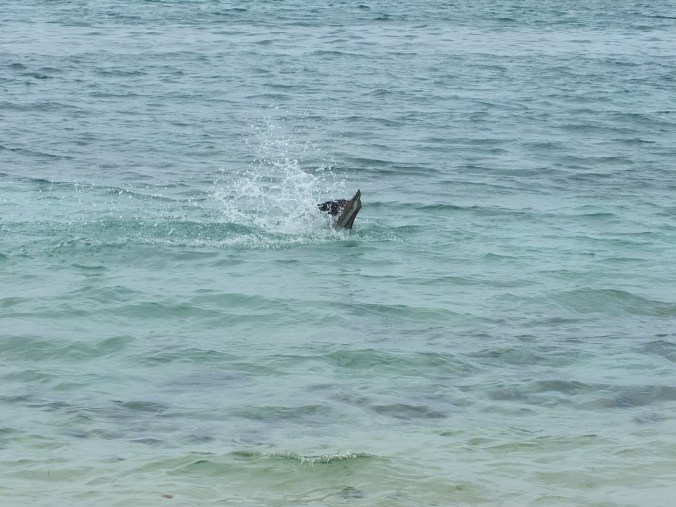
S0111421These strange, prehistoric-looking birds are pretty common in Jamaica.  I find them fascinating to watch.  Painfully awkward and gangly on land with impossibly large heads, balanced on the nearest fence they look to me like they may just topple over.  But they are as graceful in the air as they are clumsy on land, and its really fun to watch them swoop overhead, scanning the water for their next fishy treat.  Once a target is spotted, they dive head first into the water with a very loud splash and reappear seconds later bobbing on the water’s surface.  We watch closely to see if anything is caught.  There’s a pause, spilling water pours from the upward-pointing beak, and then comes the gulp.  Success! –in fact, there’s rarely a miss.  Then its back over to the favorite lookout spot for a 20 minute break before the hunt begins again.  Its become a favorite pastime for us too.
pelican fishing

Target spotted

S0161461

the big dive…

S0141444

S0171470

Yum!

S0211492

S0271507

Sign Language: Put on the Red Light…


DSCF1239.JPG

Its been a while since I’ve found an interesting subject for Sign Language until I spotted this one. There’s a small town called Red Light on the road half way up the mountain towards Holywell, one of those very respectable “blink and you miss it” places gathered around a small community church. If you look closely you will see this double-sided sign on the roadside, serving as both a welcome and a goodbye notice to drivers passing through on the narrow, windy road. Now I have to ask myself “why is this Red Light district” and not “Red Light town” or simply “Red Light?”  Is this a nod to the history of the place, or an innocent coincidence? The charming care that someone has taken to decorate the sign with flowers adds to the intrigue a little when you realize that the flowers illustrated are the indigenous “hot lips” (see my earlier Holywell post) because they resemble a sexy woman’s lips.  Mmmmh.   Is there a connection?  Did the town really get it name from ladies of the night?  Or some other way?  How intriguing to see a sign that seems to focus on its shady history and encourage visitors to “walk, drive & ride safely” at the same time.  Someone needs to explain this to me!

Blue Mountain Trails


DSCF1237

As a kind of part two to my earlier post about our stay in the blue mountains, here are some favourite photos from the trails around Holywell. They were much too interesting not be awarded a post of their own, and it was a great excuse to use my macro lens.

DSCF1165

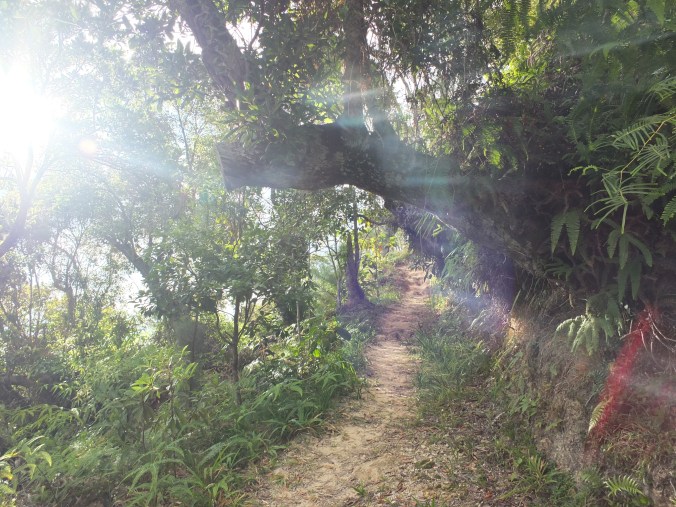
Many of the Holywell trails are steep and up and down paths that cut through the hillside.  Either side of you are jungle, shady nooks and mossy banks, which make the hikes pleasantly cool.

DSCF1218

The minute we entered on to the cabin grounds, we were approached by a salesman selling raspberries. I had heard they grew up here and was planning on picking some myself, but when I saw how I would have to scramble down steep trail banks to get them it certainly seemed worth buying them rather than getting a broken ankle.  This went against my hunter-gatherer instinct but it was probably a smart decision.  When I told the sales guy that picking them looked a bit risky, he said, “I know what you mean. That’s why I have my own plants at my house!”

DSCF1171

January felt like a kind of Spring here, with baby fern shoots everywhere.  I wonder if you can eat them like fiddlehead fern soup?…

DSCF1176

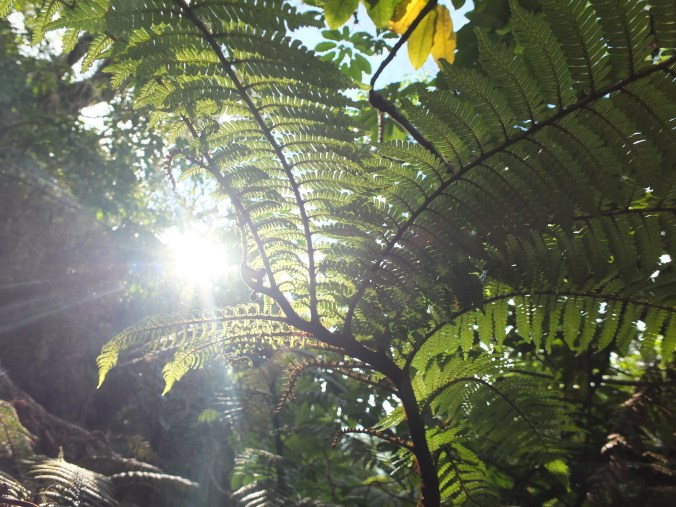
…in fact ferns cover most of the jungle floor.  I loved how they made cooling, shady umbrellas.

DSCF1184

And you know when you’ve reached a certain elevation…there they are: pine trees.

DSCF1192

A typical view across from the trail.  I want to go and visit that house!

DSCF1193

What looks like some kind of bearded moss parasite draped trees everywhere on the mountainside.  It added a spooky air, but it did make me worry about the health of the trees?

DSCF1229

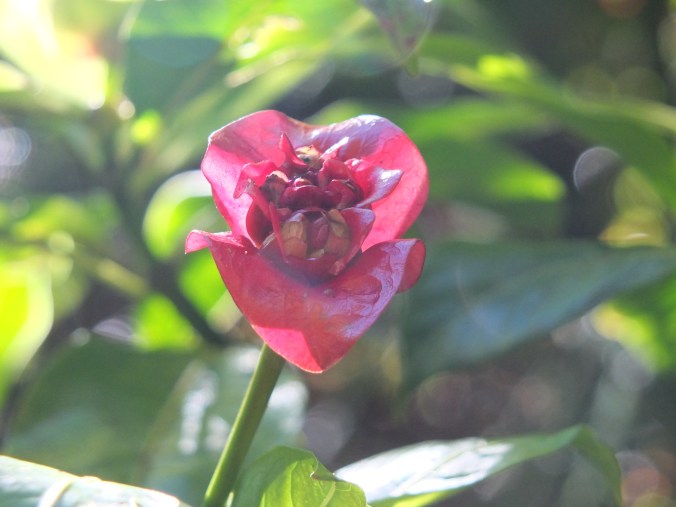
One of the Holywell cabins is called “hotlips” and of course my mind went to Major Hoolihan from Mash.  In fact, the cabin wasn’t named after what might go on inside, the name hotlips actually comes from a local plant whose flower looks like a pair of lipsticked lips.  See the resemblance?

DSCF1175

How Much?!!!


It is crazy expensive here.  We were warned.  Its easy to think of things like French Chevre or other luxury food items as being understandably pricey.  However with less fancy items like apples, celery, leeks, potatoes – items that we think of as being inexpensive nutritious foods that we like to eat everyday–it becomes a lot harder to accept.  But the import gods make no such distinction.  You want it? Then thou shalt pay anyway… and through the nose…Paying for the privilege of maintaining expat standards is par for the course when you live outside your home country (whichever country that is – I lose track.)  If you want peanut butter in (fill in your current country name) you pay.  Which is not unreasonable as someone had to ship it here, pay import taxes, and find a niche market that buys it.  And we accept that these are treats and, like all treats, they are an occasional expense that we justify as a reward for homesickness or little crutches to help with the challenges of adaptation.  There’s not really much I can’t live without these days:  maybe good tea, good coffee, healthy cereal (a great comfort food), cheese…  but nothing I have to have.  But oh I start to miss the variety and choice elsewhere!

I have long cherished the idea that it is good to eat local foods — at local prices — and to learn how to benefit from delicious cuisine that the locals enjoy without the extravagance and expense of expat imports.  However, in practice, I’ve only had limited success.  As I am a vegetarian, the quality of produce is of the highest importance and Jamaica and our previous two posts haven’t done very well in this respect.  The Philippines had fabulous produce grown in the Northern part of Luzon, but after they trucked in down in unrefrigerated trucks for 10 hours in the searing heat and, after leaving it lying around for another 10 hours until a vendor bought it, by the time it reached our kitchen it was often putrefying from the inside out.  I feared what I might find oozing in my vegetable bin after only 12 hours in the fridge!  Local meats and poultry were tough and stringy. Fortunately, fish and fruit excelled.

In Kathmandu local, seasonal fruits and vegetables were sometimes very good, but many were imported from India and made the same sad journey to our table.  Worse, bad sanitation made the consumption of fresh local produce dangerous without bleaching. Salad in the winter was a no-no because of a microscopic parasite.  Yet, with some good kitchen management, it was my most successful attempt at eating local.  Our housekeeper would shop from the local market, sanitize the vegetables and cook local food, which I had nearly every day for lunch.

Here in Jamaica I find a lot of the local food is not for me.  Most vegetables are the starchy root variety, which have often been fried, so I head to the supermarket produce aisle for imported vegetables.  I buy local produce there whenever I can, with mixed results, as the quality and freshness of local produce is often not there either.  The imported vegetable prices are skyrocketedly crazy:  $17 for a tiny, withered cauliflower.  $20 for a punnet of yellowing mushrooms.  A small bag of apples can cost $15.  I just can’t do it most of the time.  And I can’t get to the local markets which I am suspicious carry a better selection at better prices, so I am now actually looking at canned and frozen vegetables as a supplement to the overpriced “fresh” produce available to me.  There are some imported quality brands available at reasonable prices. Its a quite exciting discovery and a new low at the same time.

Probably my biggest sell out on the subject of eating and buying locally is the move to Walmart online shopping.  They ship orders over $45 for free and this opens a huge world of savings for items like mayonnaise, toilet paper, washing powder.  If they can ship it, we can have it at one third to half the price that it costs in Kingston.  A significant saving.  The sellout comes when I think about principles of shopping local, how much jet fuel it took to fly my bread flour here.  But then again, the same jet fuel was burned to bring these items to the local shelves where I pay 2-3 times the price, and the difference in cost is not supporting organic practices or paying carbon footprint taxes.  So,  I reckon that if I can’t live without it at all, and honesty I can’t–at least not without some of it–then I will continue support the exploitative practices of the Walton empire to get at their cheap prices, and will continue to burn jet fuel doing it.  It doesn’t make me proud but it does make life happier.

On a more positive note, we are discovering the blue mountain farms that deliver fresh organic produce to Kingston.  Getting it has been challenging between delivery dates, communication problems and junk mail filters…but hopefully next week we’ll get our first delivery. How exciting would it be to be able to buy good, fresh produce that supports local farmers? And hopefully doesn’t cost an arm and a leg either…  More on this to follow (I hope!)


Misty Mornings, Spectacular Sunsets at Holywell


12571375_10153268004067633_1219757954_n

We first discovered Holywell Recreational Park on an exploratory weekend drive in the mountains above Kingston. It takes somewhere between 1-1.5hrs to drive the narrow, windy and treacherous road up the mountain. Timing sort of depends on what you get stuck behind, or who’s behind you threatening to overtake uphill on a curve. Drivers here can be crazy that way! Along the road’s edge are plenty of vehicles that tell the story of what can go wrong on blind bends, frighteningly many actually. Or perhaps these were under-maintained vehicles that just gave up the ghost trying to make it up the steep ascents.  Most have been stripped of details like hub caps, tires, or wing mirrors and are now just sitting there rusting. It can be hard to see what fell off and what was taken…but I digress…

Holywell was a wonderful discovery. Its a park open to groups for nature tours or individuals that just want to get outside and find some fresh mountain air. It has well marked trails that aren’t too difficult, great views, as well as places to camp. When we spotted the cabins for rent we planned on coming back to stay for a couple of nights, which is exactly what we did after the Christmas holidays.

DSCF1170

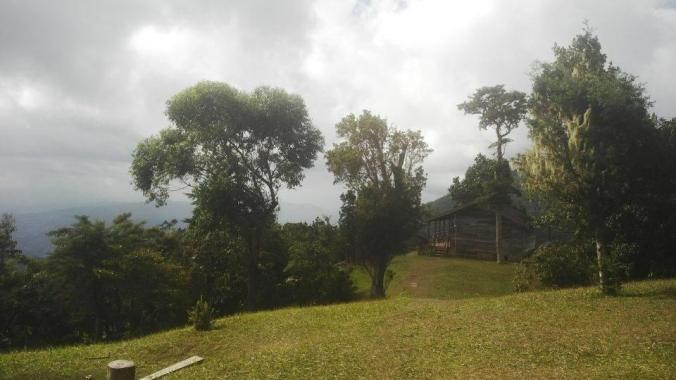
Perched on a ridge overlooking Kingston below and the Blue Mountains behind, the cabins feel wonderfully secluded.

DSCF1154

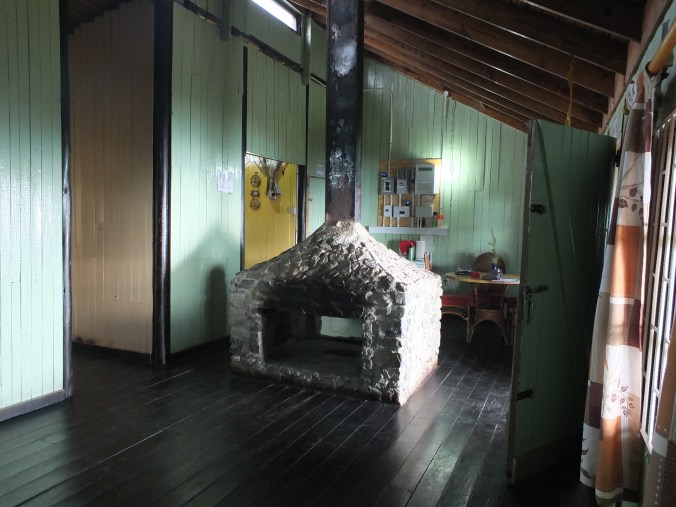
Inside the cabin is a wood burning fireplace, a bathroom with solar-powered hot water, a kitchen with an electric oven, refrigerator and basic cooking utensils.  The furniture was a bit run down and spartan but the deck and the fabulous views made up for that.  It was plenty comfy for a couple of nights…certainly better than a tent.

Best of all, the cabin had a large, covered deck with sweeping views across the mountains and down to the port of Kingston and the sea. It was a great place to read or catch a movie,  and watch the ever changing sky roll by before us.   We will go back.

DSCF1206

DSCF1197

DSCF1212

12540298_10153267995267633_765204238_n

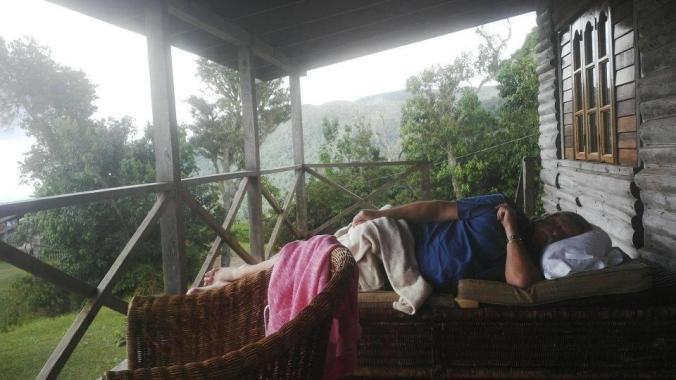
Robert enjoying the view!

The Great Unpack….and how it turned out….


As promised and requested by my small (but growing) band of readers…  here are some pictures from our Kingston home after we finished unpacking.  For those unfamiliar with US government supplied housing, it comes furnished and we get very little say on style or colour choices, and some of it is quite horrendous!  We make do and try to make the best of it.  Its also challenging how you have to make the same personal stuff work in a different house which may be significantly larger or smaller than before.  Again, we try to make it work.

Here’s a little tour:

S0061271

The living room. How ever did we get served yet more lime green sofas and those dreadful striped chairs…just like Kathmandu (again?)  I tried to make the best of them with a colorful orange and green wall tree design.

S0071272

The dining room, however, was more challenging.  Too much government-issued cherry Drexel to hide!  I give up in here.  Maybe once the table is laid and there’s some colour with a better choice of tablecloth?

S0111277

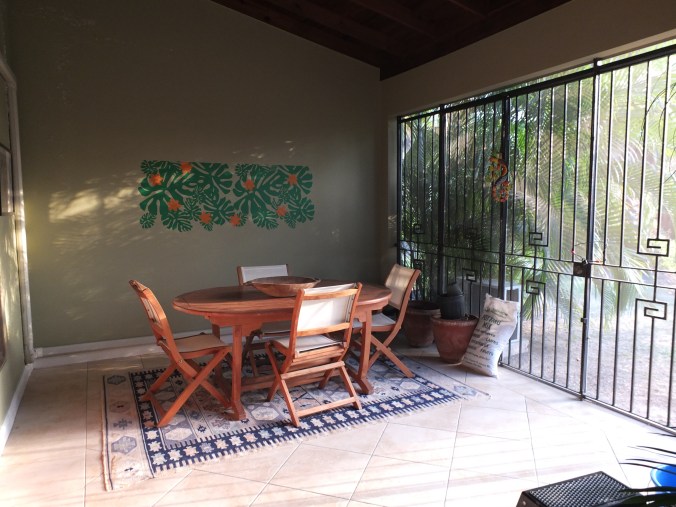
One really nice feature of this house is the large screen porch.  The space was promising but challenging as they gave us hardly any furniture.  After a little begging, borrowing and the purchasing of a sofa, we managed to break it up into two living spaces with a wall of plants:

S0091275

…and an outside dining area.  This is still a work in progress.  More plants and furniture still needed, I know.

S0101276

…but the nice reading/seating area is mostly there…

S0121278

Note the iron security bars.  The whole city is wrapped in them…

S0131280

….as is our house.  And, yes, some days I feel like I’m in a cage.

S0141281

Upstairs the house has three large bedrooms, each with its own bathroom…

S0151282

…and the master bedroom has a massive closet which I have all to myself.  I had to hang up tshirts to fill it up!

Its a pretty nice space made infinitely better by the screen porch with the view out to palm trees and greenery. Many townhomes here–including ours–are traditionally built to be dark and cool. Although ours lacks light too, the screen porch is cheery and the view is nice. Most of all I like the access to fresh air and the porch sofa is a favourite place to curl up with a book.